

What happens to your body during water intoxication?
We all know how important it is to keep our bodies hydrated. Water makes up 50-80% of our body weight. Every cell, tissue and organ in our body relies on water to function. A recent blog discussed the importance of drinking enough water and even some great apps to track this. However, there is such a thing as drinking too much water…
Experts call this condition water intoxication.
So how much is too much?
Most experts claim that the ideal amount of filtered water we should drink every day is eight glasses. Of course, the amount of water required differs between individuals.
It depends on such things as age, medical conditions and occupation. Athletes and those doing manual labour need extra water to maintain proper hydration.
You may already know the feeling of dehydration… dry mouth, headaches, foggy head and feeling dizzy. These are good signs that you need to pick up that drink bottle.
Our two kidneys are the organs that extract fluids and waste products from our body. On average, our kidneys can filter and process 200 litres of fluid every 24 hours. Drinking more fluid than the kidneys can process may lead to water intoxication.
The signs of water intoxication
Drinking too much water increases the amount of water in the blood. This water can dilute the electrolytes in your blood, especially sodium. When sodium levels drop, fluid shifts from outside to inside the cells, causing them to swell. If this happens in the brain, it can be life threatening.

Here are some signs that you have consumed too much water:
- Headache
- Nausea
- Vomiting
Severe cases can produce symptoms such as:
- Increased blood pressure
- Confusion
- Double vision
- Drowsiness
- Difficulty breathing
- Muscle weakness and cramping
- Inability to identify sensory information

Who is at risk?
Anyone can suffer from water intoxication. However, it is more common amongst some people than others. Those most at risk include endurance athletes, cyclists, hikers, triathletes, rugby players and military personnel.
Water fasting is a type of diet that restricts everything you consume except water. It has become more popular in recent years as a quick way to lose weight.
Even though you are drinking only water, it can actually cause dehydration, not water intoxication. In severe cases it causes a condition called orthostatic hypotension.
The best way to track if you are drinking the right amount of water every day is through an app on your phone. Our recent blog reviewed the best four apps to track your water consumption.
Installing a home water filter system ensures you always have healthy, good quality water on tap for all the family.
Read more on the health benefits of filtered water
Buy Water Filter Systems
& Water Filters Online

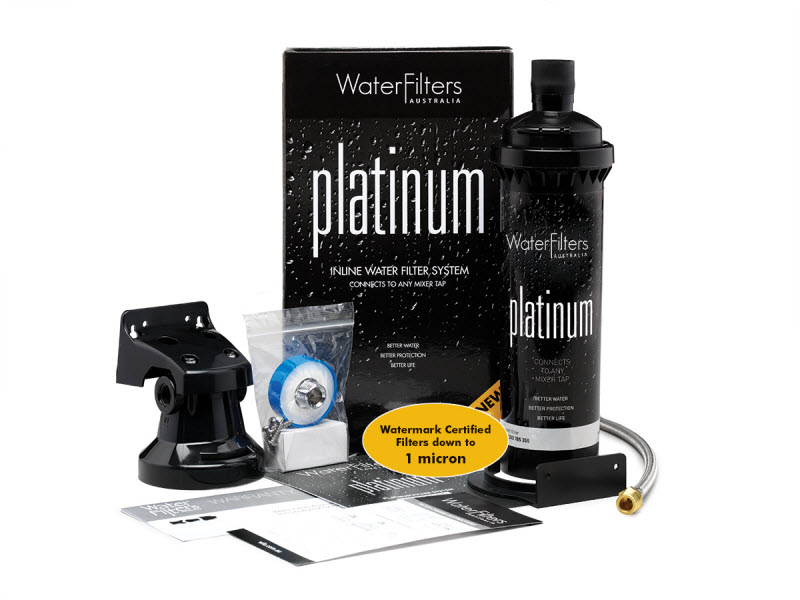
Inline Water Filter System
$346.84 - No separate tap or drilling needed
- Connects inline to cold-water hose
- No plumber needed
- 4x faster than traditional systems
- Lasts a family of 4 for 1 year
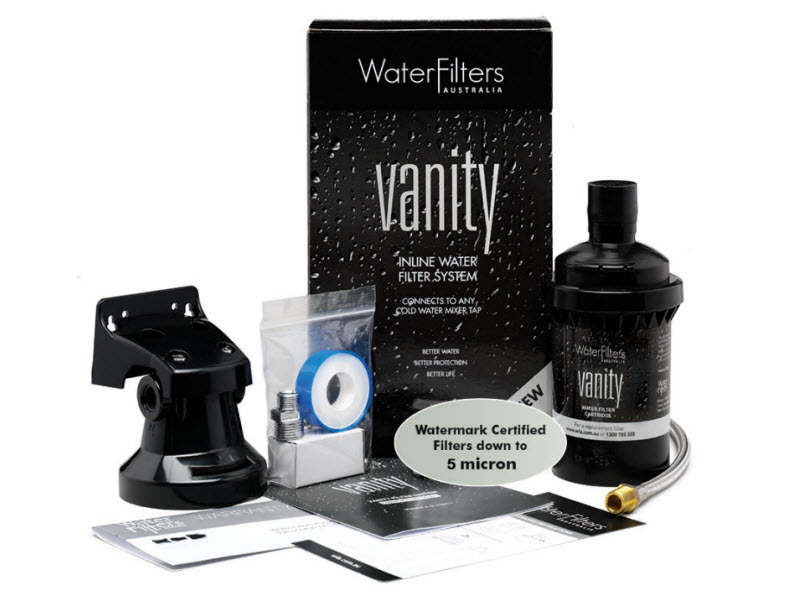
Bathroom Vanity Filter System
$240.90 - Compact for en suite bathrooms
- Space required 335mm x 225mm
- Mounts vertically or horizontally
- Works with your existing tap
- Protects tap from limescale build-up
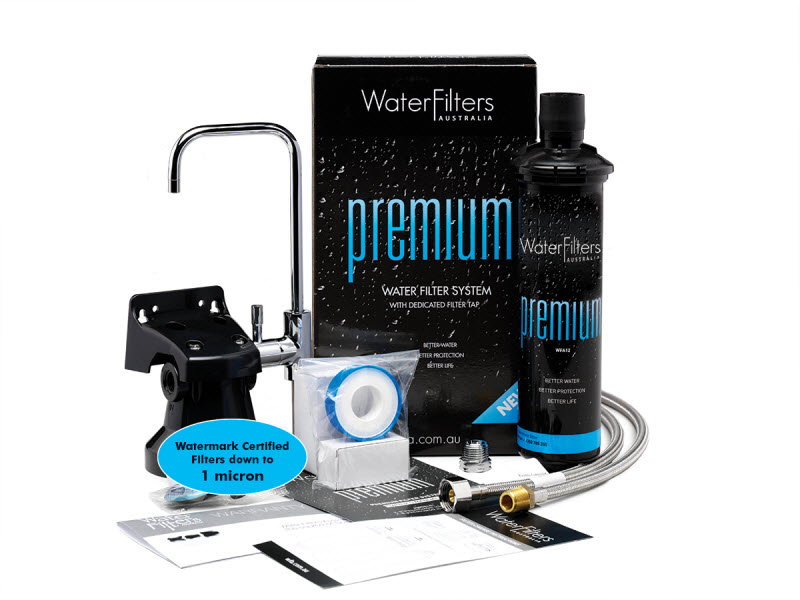
Dedicated Filter Tap System
$394.8 - Ideal if you like a separate filter tap
- Mount filter vertically or horizontally
- Filter lasts 12 months
- Same great taste
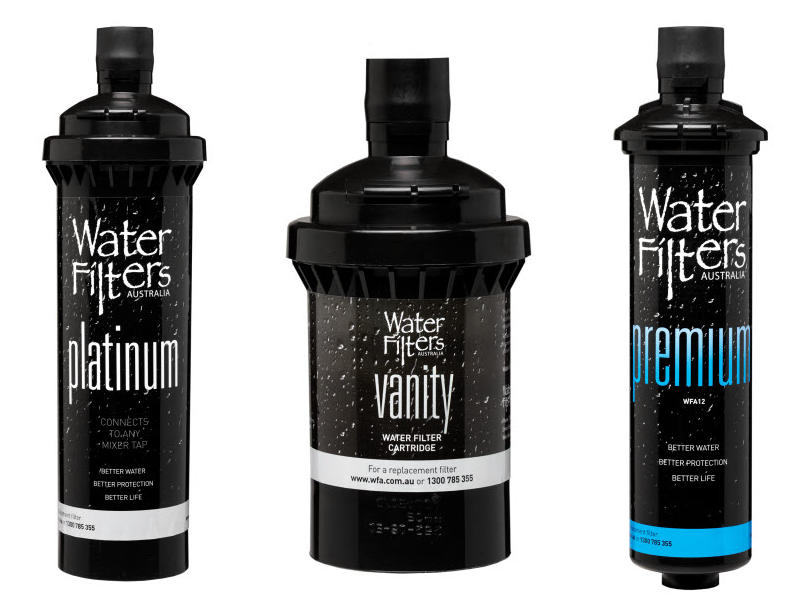
Replacement Filter Cartridges
From $69.76- WFA & Everpure cartridges
- Omnifilter cartridges
- Rainwater cartridges
- Fridge cartridges
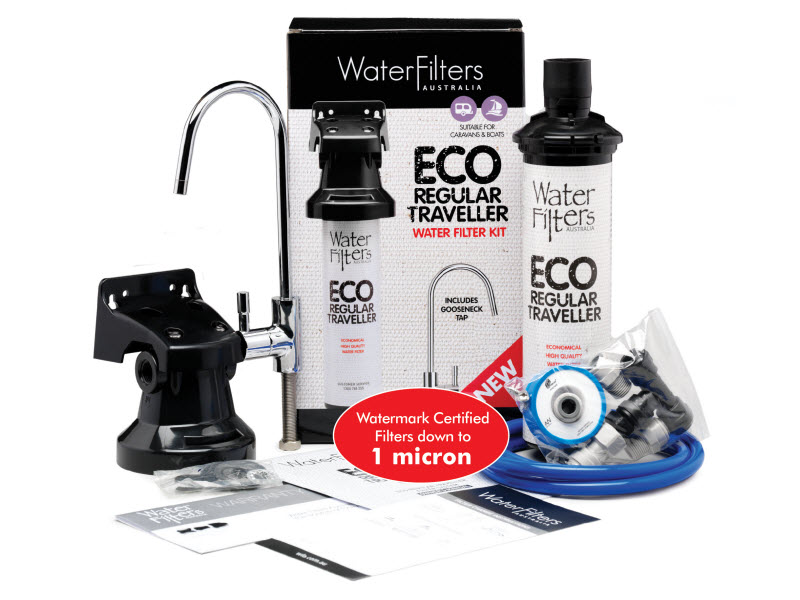
Water Filters for Your RV
From $163.89- Easy installation
- Choice of three systems
- Significantly cheaper than bottled water
- Durable & long lasting
- Space saving
Counter Top System & Filter Taps
From $71- Ideal solution for people on the move
- No plumbing required
- Chrome plated
- Lever operation
- Suitable for WFA Filter Systems
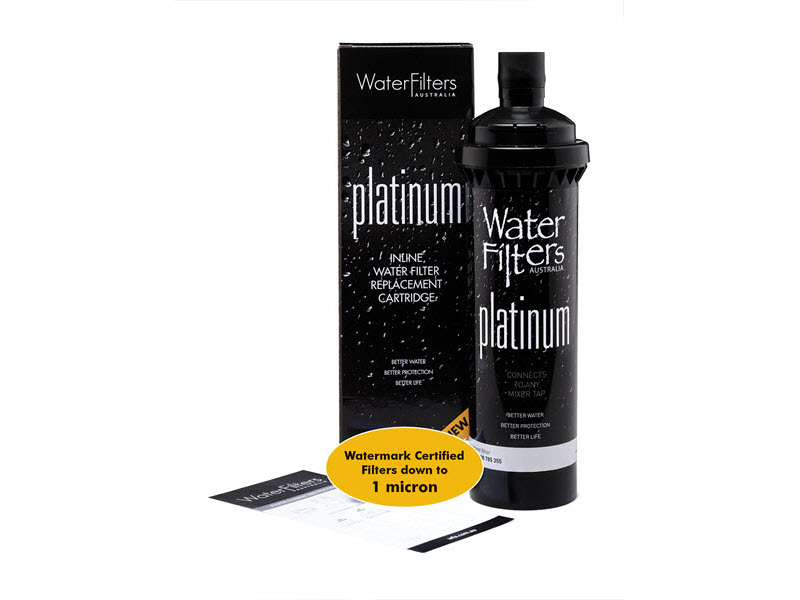
WFA Replacement Cartridges
From $69.76 - Inhibits lime scale build up in water using appliances
- Environmentally friendly
- Removes particles 75 times smaller than the diameter of a hair
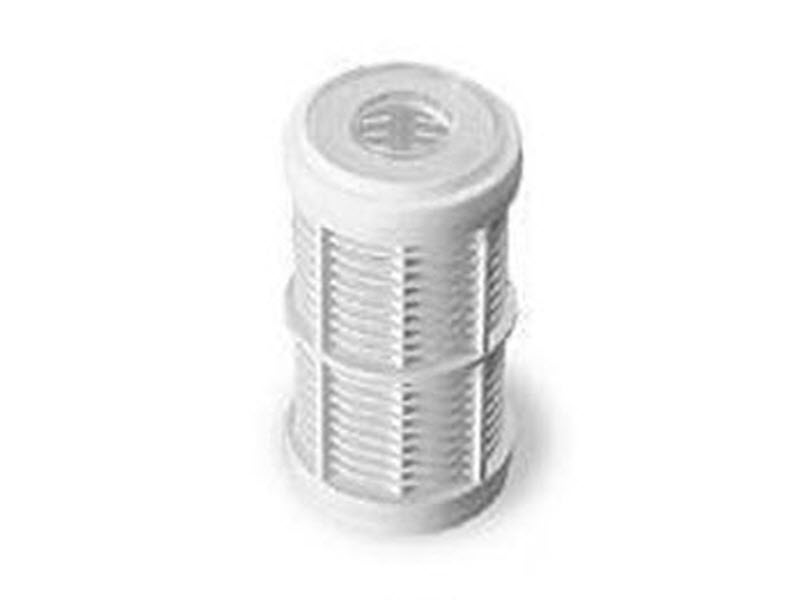
Rain Water Filters
From $37.01 - Ideal screen filter for sediment particles in excess of 80 microns.
- Typically used for filtration before or after a rainwater tank pump
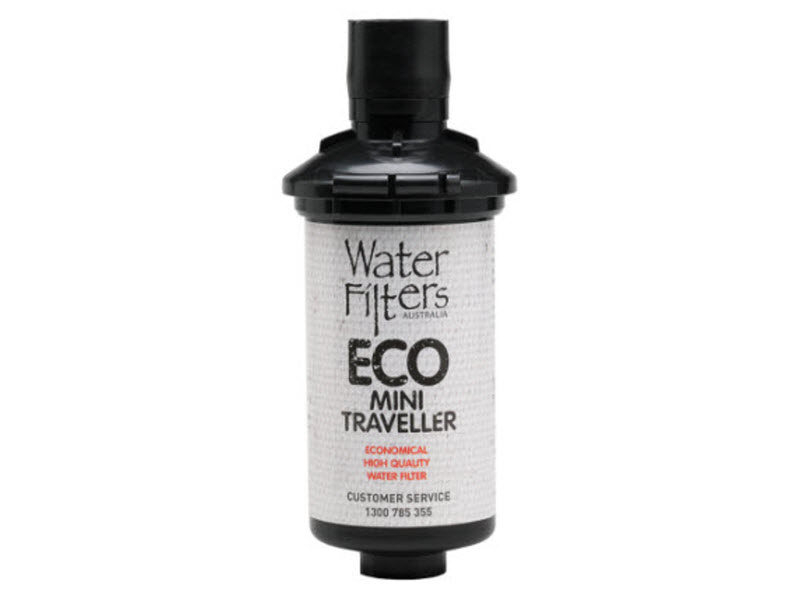
RV & Marine Cartridges
From $69.76- Compact size
- Quick change cartridge – DIY
- Compatible with all Everpure ADC filter installations
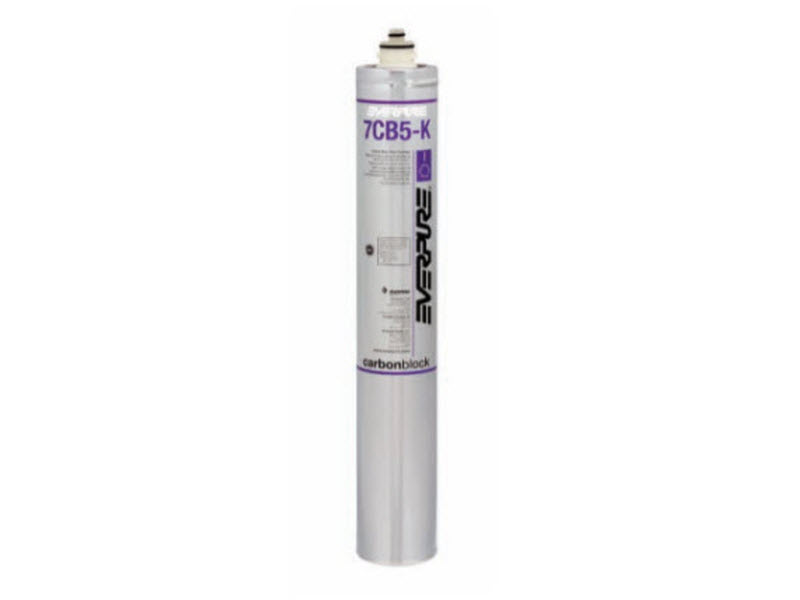
Everpure
From $120.45- The Everpure 7CB5-K cartridge filters out particles between 1 and 5 microns in size. By way of comparison, the diameter of human hair is 75 microns.
- Contaminants reduced/removed include sediment, chlorine, bad tastes and odours.
- The filtration process also inhibits limescale build up in water using appliances.

Omnifilter
From $36.93- The 1100R is the half micron ‘quick change’ replacement cartridge and is recommended for use with the Omnifilter CBF2 water filter system.
- Removes/reduces the following contaminants and substances; cysts such as giardia and cryptosporidium, chlorine, bad tastes and odours.
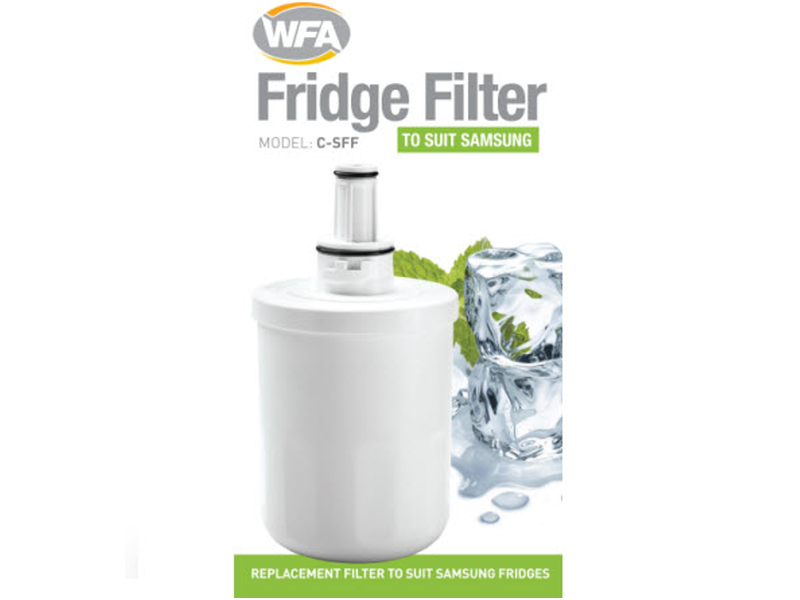
Fridge Filter Cartridges
From $82.48- Contaminants removed include chlorine, bad tastes and odours with some sediment removal/reduction.
- The cartridge inlet and outlet include ¼” ‘push fit’ connection fittings.
- Environmentally friendly, reducing plastic bottle waste.
Specials
From $66.97- A 2 year supply*. Receive a reminder notification to change to your second cartridge.
- Larger quantities purchased receive a larger discount.
News & Articles
Inline Water Filters for Your Home and How They Compare to Fridge Filters
Filtered water straight from the fridge is now pretty standard, and for many Australian households, it feels like enough. But not all filtration methods are designed the same. If you’ve ever wondered whether a fridge filter really covers all your needs or how it compares to an inline water filter, you’ve come to the right place.
World Water Day: How Home Water Filters Support Global Clean Water Goals
Most Australians turn on the tap without thinking too much about it, largely because we trust the systems behind it. But World Water Day on March 22 shines a light on the global reality that safe freshwater is not guaranteed everywhere. It also invites a closer look at the small choices we make, including whether we take that extra step to install a water filter.
Back-to-School Hydration: Ensuring Kids Drink Filtered Water All Day
School is back for 2026, and if you’re facing the same hydration dilemma as last year, you’re not alone. Parents everywhere are wondering how to get their kids drinking more water, especially the filtered kind. And fair enough. Research shows it can support everything from energy and focus to overall wellbeing during their busy day.