

Inline water filtration systems and their role in sustainable living

Every minute, one million plastic bottles are purchased globally, and it’s causing a crisis for our planet. Fortunately, we’re all becoming more conscious of the issue and taking small steps to reduce our environmental impact. A simple yet effective way to lower your single-use plastic bottle consumption is to use inline water filtration systems at home. By filtering water directly from your tap, you’re not just ensuring quality hydration for your family—you’re engaging in sustainable living that benefits future generations.
At Water Filters Australia, we’re committed to offering high-quality inline water filtration solutions designed for easy installation with no plumbing required. Affordable and user-friendly, these filters provide numerous benefits for any household while helping you make greener choices.
Every minute, one million plastic bottles are purchased globally, and it’s causing a crisis for our planet. Fortunately, we’re all becoming more conscious of the issue and taking small steps to reduce our environmental impact. A simple yet effective way to lower your single-use plastic bottle consumption is to use inline water filtration systems at home. By filtering water directly from your tap, you’re not just ensuring quality hydration for your family—you’re engaging in sustainable living that benefits future generations.
At Water Filters Australia, we’re committed to offering high-quality inline water filtration solutions designed for easy installation with no plumbing required. Affordable and user-friendly, these filters provide numerous benefits for any household while helping you make greener choices.
Why is home-filtered water a greener choice?
Inline water filters are an eco-friendly alternative to bottled water for several reasons:
- Reduction in plastic waste: As mentioned, bottled water generates a staggering amount of plastic waste globally. In Australia alone, over one billion plastic bottles end up in landfills each year. Inline water filtration systems allow you to enjoy fresh, clean water without contributing to this plastic crisis.
- Lower carbon footprint: The production, packaging and transportation of bottled water involve significant energy resources and carbon emissions. By filtering your water at home, you limit your household’s reliance on bottled water and lower your overall carbon footprint.
- Energy efficiency: Inline water filtration is energy-efficient since it avoids the energy-consuming processes associated with bottled water production. Therefore, it’s a much greener alternative.
The environmental impact of bottled water

Whether it’s plastic pollution or excessive fossil fuel consumption in production, plastic waste is a major problem. Although most plastic bottles are recyclable, only about 20% are actually recycled in Australia. The rest end up in landfills or the ocean.
Plastic waste in the ocean poses severe threats to marine life, with millions of animals harmed by ingesting plastic debris each year. By reducing our reliance on bottled water and switching to sustainable alternatives, we can help lessen this impact on those ecosystems.
In addition, the energy and water used in the production of bottled water are often overlooked. It takes approximately 1.32 litres of water to produce just one litre of bottled water. With growing concerns about water scarcity in Australia and around the world, it’s crucial to make water consumption choices that don’t exacerbate these issues.
Pure water and sustainable living
At Water Filters Australia, we are committed to providing top-quality home water filtration solutions. Our inline water filtration options are Watermark Certified and meet Australian standards, ensuring both reliability and quality. They are designed for easy installation with no plumber required, simple filter changes and no need to drill in your kitchen benchtop.
We source our filters from America, which use advanced carbon filtration technology. These filters employ a three-stage process. The first stage captures larger particles, the second stage removes smaller contaminants like rust, and the third stage eliminates harmful cysts such as Giardia and Cryptosporidium. This ensures pure, fresh water with improved taste and odour.
Filtering water at home is more economical and environmentally friendly compared to bottled water. With long-term cost savings and reduced plastic waste, our systems offer a sustainable choice for both your budget and the planet.
Choose sustainability today
Switching to an inline water filtration system is a small change that can have a big impact. By reducing the demand for bottled water, cutting down on plastic waste and lowering your carbon footprint, you’ll be making a positive difference for the environment.
If you are ready to switch to sustainable water filtration, browse our range of inline water filters now. WFA has a number of inline home options and a range suitable for caravans and RVs. We also stock a complete inventory of certified replacement cartridges and have 100% Australian-based customer support.
Buy Water Filter Systems
& Water Filters Online

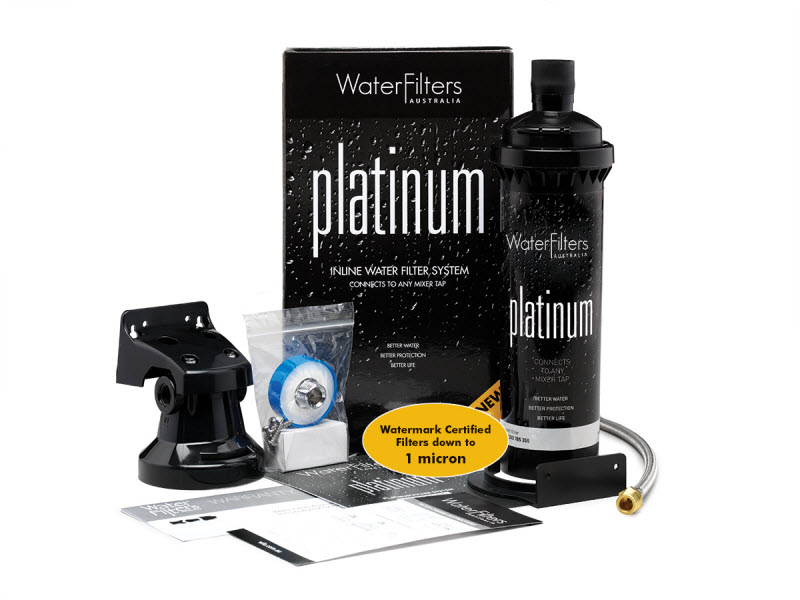
Inline Water Filter System
$346.84 - No separate tap or drilling needed
- Connects inline to cold-water hose
- No plumber needed
- 4x faster than traditional systems
- Lasts a family of 4 for 1 year
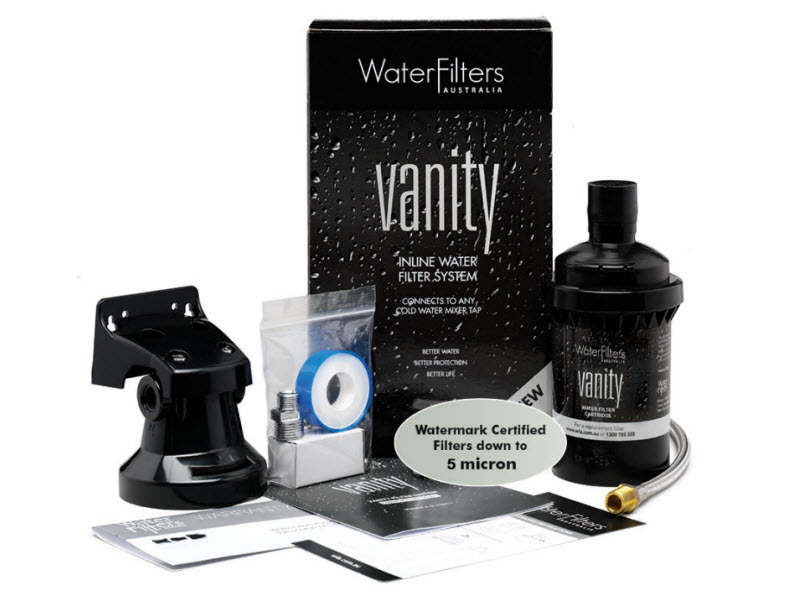
Bathroom Vanity Filter System
$240.90 - Compact for en suite bathrooms
- Space required 335mm x 225mm
- Mounts vertically or horizontally
- Works with your existing tap
- Protects tap from limescale build-up
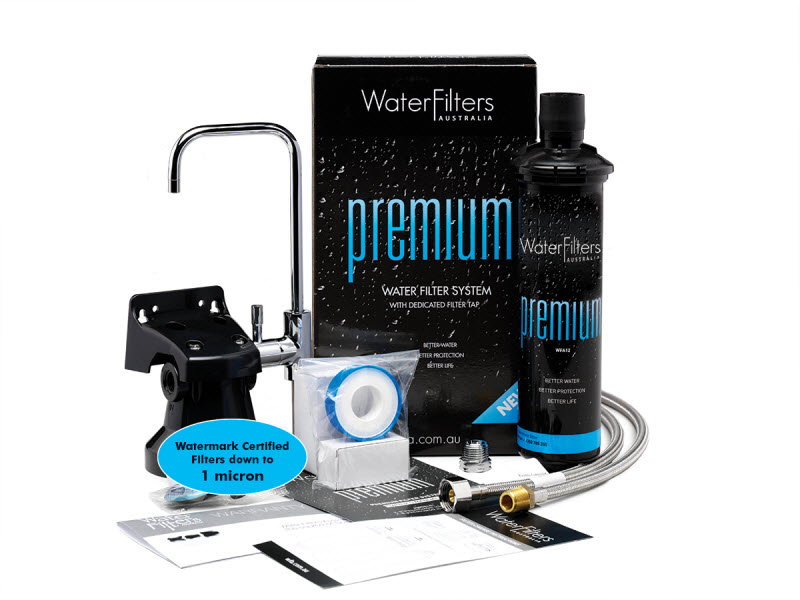
Dedicated Filter Tap System
$394.8 - Ideal if you like a separate filter tap
- Mount filter vertically or horizontally
- Filter lasts 12 months
- Same great taste
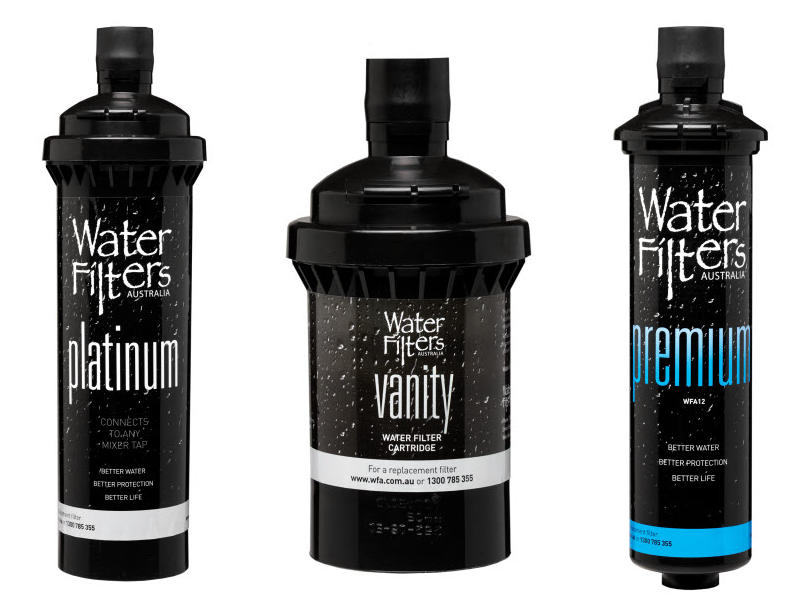
Replacement Filter Cartridges
From $69.76- WFA & Everpure cartridges
- Omnifilter cartridges
- Rainwater cartridges
- Fridge cartridges
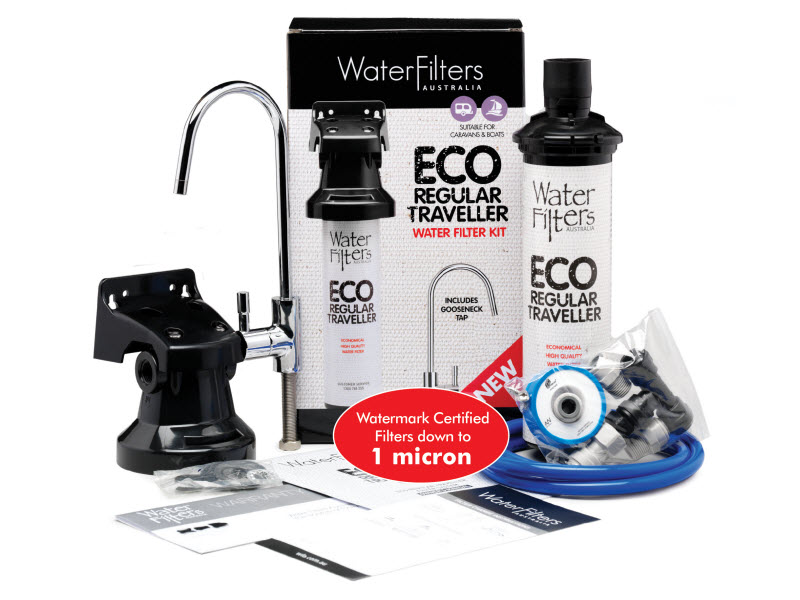
Water Filters for Your RV
From $163.89- Easy installation
- Choice of three systems
- Significantly cheaper than bottled water
- Durable & long lasting
- Space saving
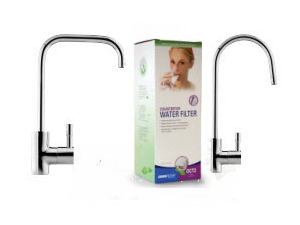
Counter Top System & Filter Taps
From $71- Ideal solution for people on the move
- No plumbing required
- Chrome plated
- Lever operation
- Suitable for WFA Filter Systems
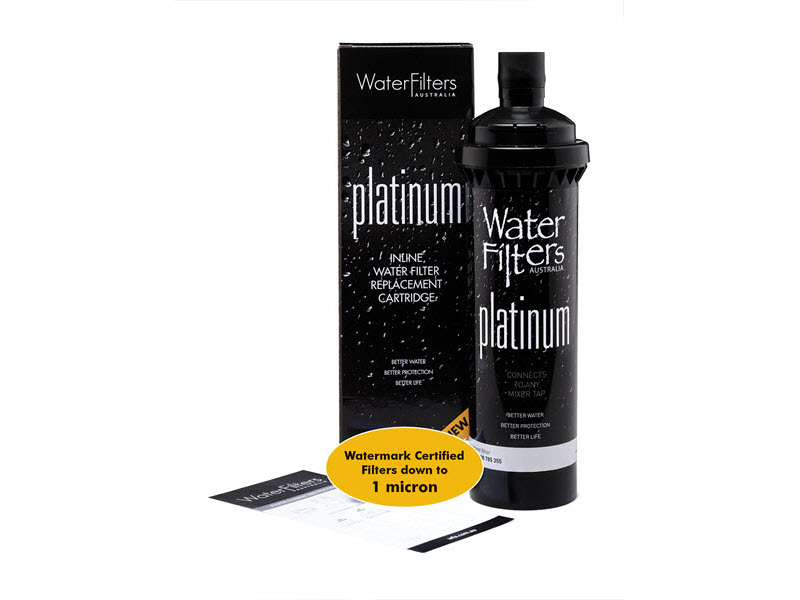
WFA Replacement Cartridges
From $69.76 - Inhibits lime scale build up in water using appliances
- Environmentally friendly
- Removes particles 75 times smaller than the diameter of a hair
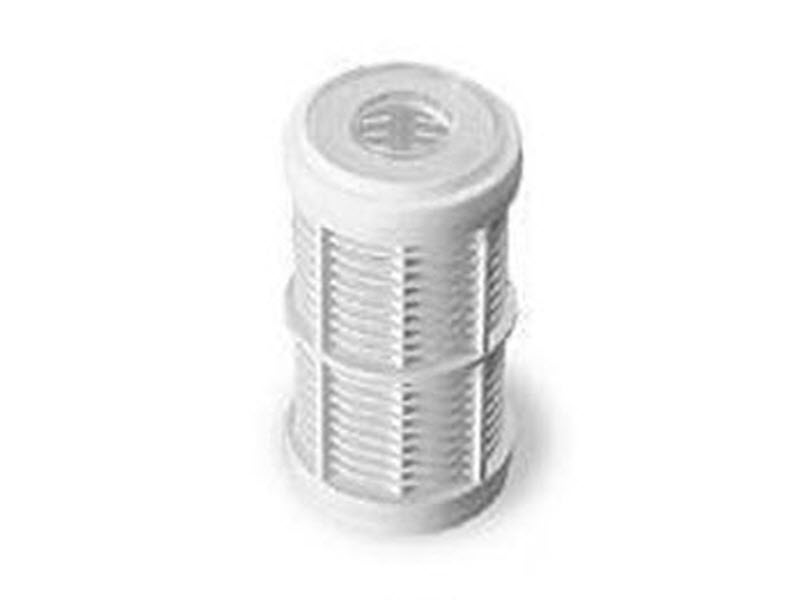
Rain Water Filters
From $37.01 - Ideal screen filter for sediment particles in excess of 80 microns.
- Typically used for filtration before or after a rainwater tank pump
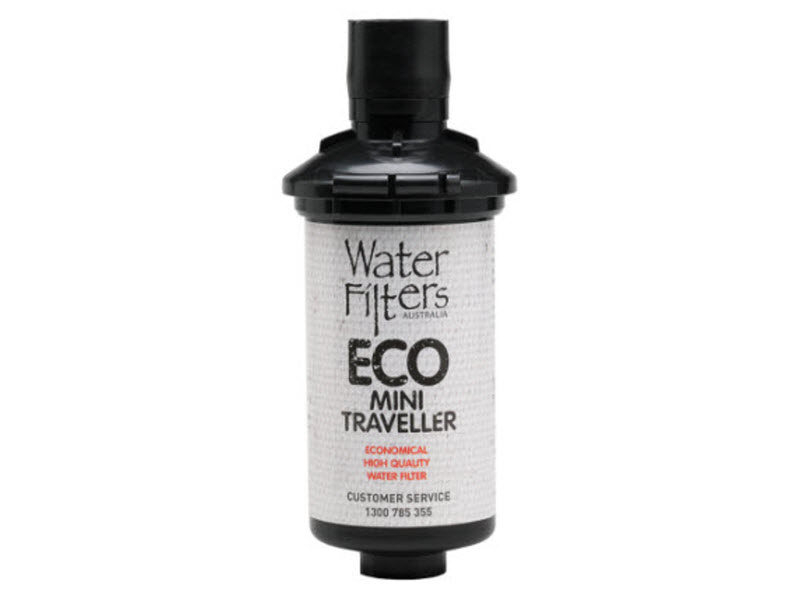
RV & Marine Cartridges
From $69.76- Compact size
- Quick change cartridge – DIY
- Compatible with all Everpure ADC filter installations
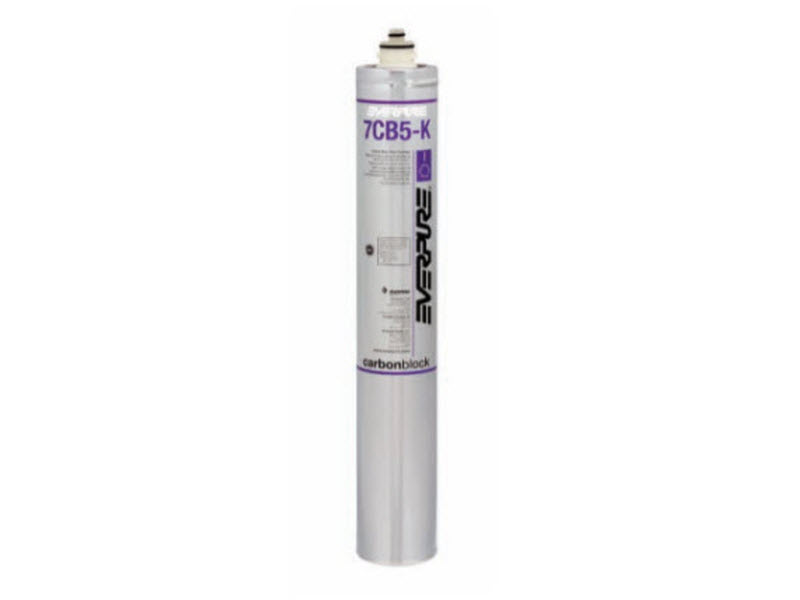
Everpure
From $120.45OUT OF STOCK
- The Everpure 7CB5-K cartridge filters out particles between 1 and 5 microns in size. By way of comparison, the diameter of human hair is 75 microns.
- Contaminants reduced/removed include sediment, chlorine, bad tastes and odours.
- The filtration process also inhibits limescale build up in water using appliances.

Omnifilter
From $36.93- The 1100R is the half micron ‘quick change’ replacement cartridge and is recommended for use with the Omnifilter CBF2 water filter system.
- Removes/reduces the following contaminants and substances; cysts such as giardia and cryptosporidium, chlorine, bad tastes and odours.
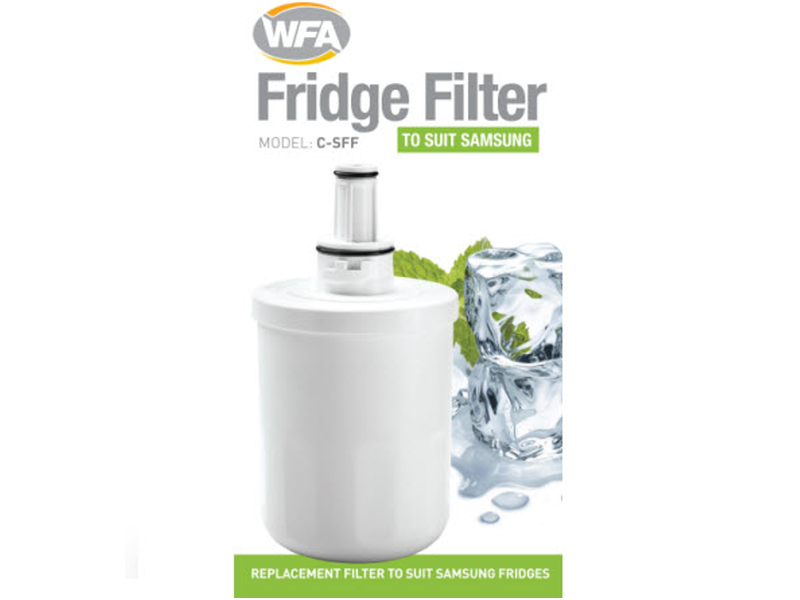
Fridge Filter Cartridges
From $82.48- Contaminants removed include chlorine, bad tastes and odours with some sediment removal/reduction.
- The cartridge inlet and outlet include ¼” ‘push fit’ connection fittings.
- Environmentally friendly, reducing plastic bottle waste.
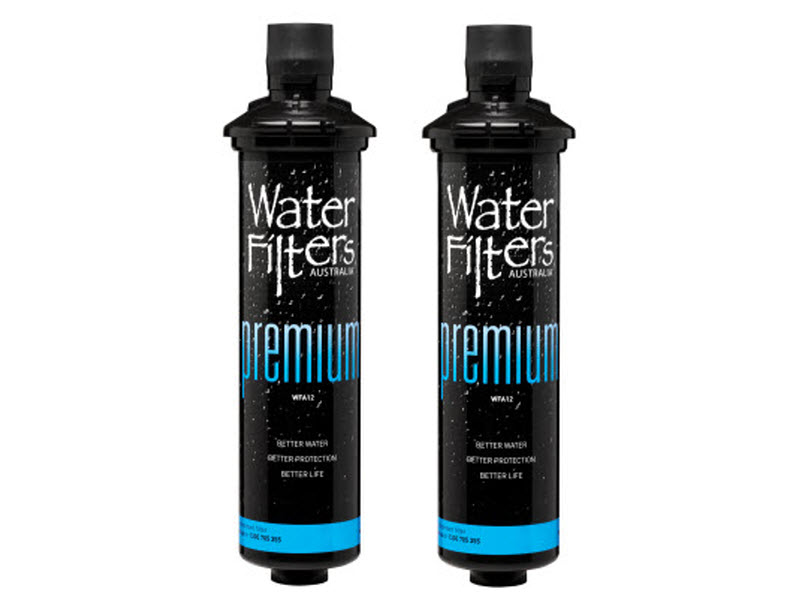
Specials
From $66.97- A 2 year supply*. Receive a reminder notification to change to your second cartridge.
- Larger quantities purchased receive a larger discount.
News & Articles
The Benefits of Filtered Water for Healthy Ageing
Our hydration needs don’t disappear with age, but the body’s ability to recognise and respond to thirst can change significantly. While we had those helpful reminders from people who cared for us when we were younger, we may not have the same reminders as seniors. Yet staying hydrated is so important for healthy ageing.
Is Filtered Water a Better Choice during Pregnancy?
During pregnancy, staying hydrated is more important than ever, but does the quality of your drinking water matter too? Discover how filtered water can help reduce unwanted contaminants, support healthy hydration during pregnancy, and provide quality drinking water for you and your growing family.
Water Filter vs Water Purifier: What’s the Difference and Which Do You Need?
Two products can sound almost identical while doing very different jobs. For example, the terms water filter and water purifier are often used interchangeably, but they actually don’t mean the same thing. And this can cause some confusion for consumers trying to make the best possible choice for their home, office or caravan.