

How to Keep Your Drinking Water Safe During Emergencies
Most of us have a fairly optimistic relationship with the weather forecast. But part of living in Australia is knowing that the weather is, in fact, incredibly unpredictable. From severe storms and flooding to bushfires and unexpected infrastructure failures, we have no shortage of events that can cause community emergencies with little to no warning. This often leaves people wondering how safe their drinking water is when things like this happen.
At Water Filters Australia, we’ve been supplying high-quality, fully certified water filtration systems to Australian households since 1999. We understand the importance of having reliable access to drinking water, something most of us are fortunate enough to take for granted. But emergencies can affect water quality, interrupt supply or leave households needing an alternative source. So, what can go wrong, how do you know when your water is unsafe and what can you do to prepare?
How different emergencies can affect drinking water quality
While the following events don’t automatically make tap water unsafe to drink, they can introduce risks that vary considerably depending on the circumstances.
Floods and heavy rainfall
Floodwater can pick up contaminants as it moves across land, including sewage, animal waste, agricultural fertilisers, pesticides, industrial chemicals and sediment. It can then carry them into rivers, reservoirs, dams and other drinking water sources. Heavy rainfall can also increase turbidity, which means the water becomes cloudy due to suspended particles that may interfere with disinfection processes.
Private water supplies can be more vulnerable. If flooding affects rainwater tanks, shallow wells or bores, harmful microorganisms and other pollutants may find their way in. Even if the water looks clear, it still may not be safe to drink.
Bushfires
A good Australian summer is often tainted by a bushfire season that is destructive to more than just trees, wildlife and homes. Fires can also affect drinking water through ash, soot, burnt vegetation, animal remains and chemicals used in firefighting. All of these can enter rainwater tanks, especially when roofs and gutters collect debris. And the consequences aren’t limited to contamination. Intense heat can damage exposed pipes, tanks, pumps and other infrastructure, which can cause problems with supply and quality.
There’s also a delayed risk. When rain falls over recently burnt areas, it can wash large amounts of ash, sediment and other debris into water bodies. That means even weeks or sometimes months after the actual fire, there may still be concerns about drinking water safety.
Severe storms, power outages and infrastructure failures
Severe storms can cause all sorts of problems for water infrastructure, from fallen trees and landslides to broken mains and flooded treatment facilities. Electricity is another concern, as pumps and other essential equipment rely on power to operate. While many Australian utilities have backup arrangements, extended outages can still disrupt treatment and distribution.
A significant drop in pressure can also cause problems. If pipes are damaged, contaminants from the surrounding environment may enter the network under certain conditions. This is one reason authorities sometimes issue precautionary warnings following major disruptions.
What to do if your drinking water may be unsafe
If you’re worried your drinking water may be affected by a weather incident or emergency, the first step is to check the advice from your provider, local council or relevant health authority. Remember, water that looks, smells and tastes normal may not necessarily be safe. If a warning has been issued, the type of warning will determine what you do next:
- Boil water alerts: These generally address microbiological contamination. Bringing tap water to a rolling boil can kill harmful microorganisms, but it won’t remove chemicals or heavy metals.
- Do not drink warnings: These may be issued when boiling won’t make the supply safe, such as when certain chemicals are suspected. Always follow the specific instructions, as restrictions can vary.
- Alternative drinking water: Use commercially bottled water or supplies provided through official emergency arrangements for drinking, food preparation, brushing teeth, making ice, infant formula and pets.
Once an alert has been lifted, check whether your provider recommends flushing household taps or taking any other steps before returning to normal use.
Preparing your household water supply before an emergency
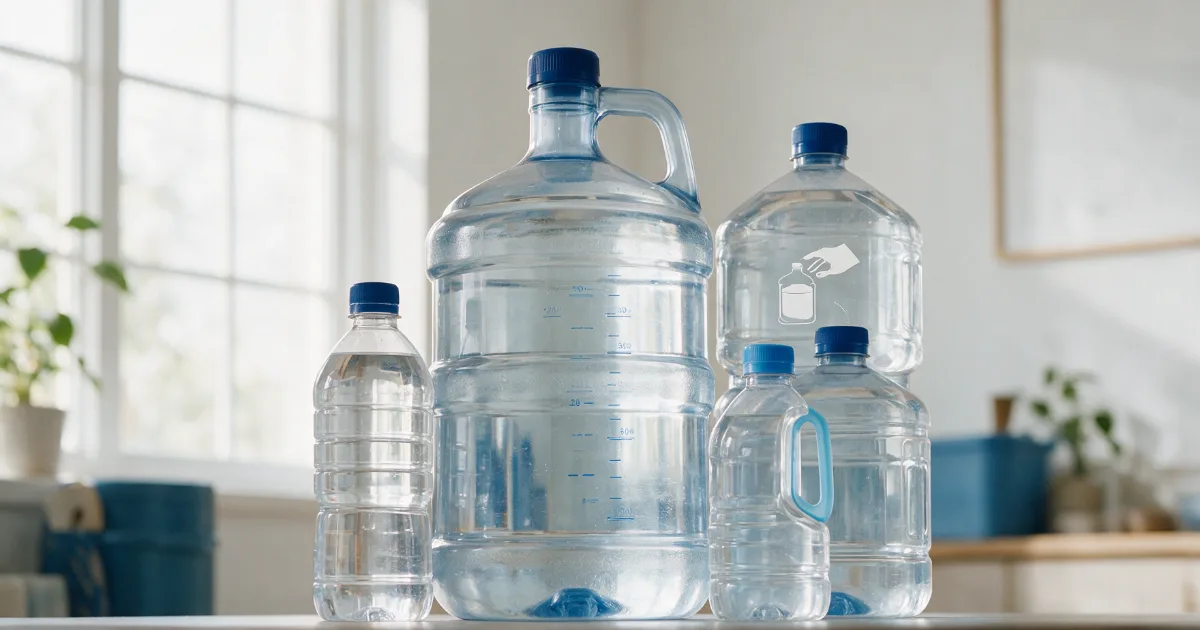
A little preparation can make a big difference if your usual drinking water supply is interrupted. Here are a few things you can do:
- Store drinking water: Allow at least 2.5 litres per person per day for drinking, with extra for hot weather, medical needs and pets. Use clean, food-safe containers stored away from heat and potential contaminants.
- Check rainwater systems: Inspect roofs, gutters, screens, tank seals and first flush diverters regularly. Make sure pipes and storage equipment are in good condition.
- Have a plan: Know where to find local water alerts and whether your household relies on electricity for pumping. If you use rainwater, familiarise yourself with safe procedures for disconnecting roof collection during a bushfire.
Where home water filtration fits into emergency preparedness
A quality inline water filter can improve everyday drinking water by reducing contaminants such as chlorine and sediment, which can also affect its taste and odour. WFA’s filters can also reduce cysts such as Giardia and Cryptosporidium, so they are a useful addition to your household’s regular water management.
However, even a certified filtration system has its limitations. Household filters should never be relied upon to make an unsafe supply drinkable or used as a substitute for official warnings. If your system has been exposed to flooding or suspected contamination, contact the manufacturer for advice on whether it needs servicing or a replacement cartridge before use.
Protecting your household's water
Hopefully, this summer will bring fewer bushfires and fewer emergencies across the country. And whatever the seasons ahead may bring, we hope you’ll never have to worry about the safety of your drinking water. In the meantime, there’s plenty to be said for enjoying a clean, refreshing glass straight from the tap without giving it a second thought.
Water Filters Australia supplies premium inline water filters online from our Australian distribution centre. Manufactured in the United States to strict standards, all systems are WaterMark certified, and we offer a full range of certified replacement cartridges.
If you’d like to improve the quality of your everyday drinking water, shop online today or contact our team for personalised advice on the best system for your home.
Buy Water Filter Systems
& Water Filters Online

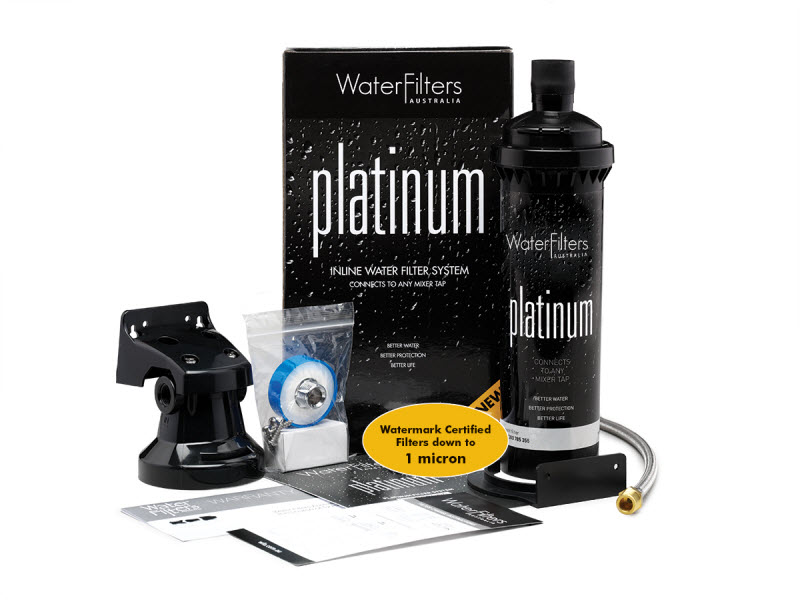
Inline Water Filter System
$346.84 - No separate tap or drilling needed
- Connects inline to cold-water hose
- No plumber needed
- 4x faster than traditional systems
- Lasts a family of 4 for 1 year
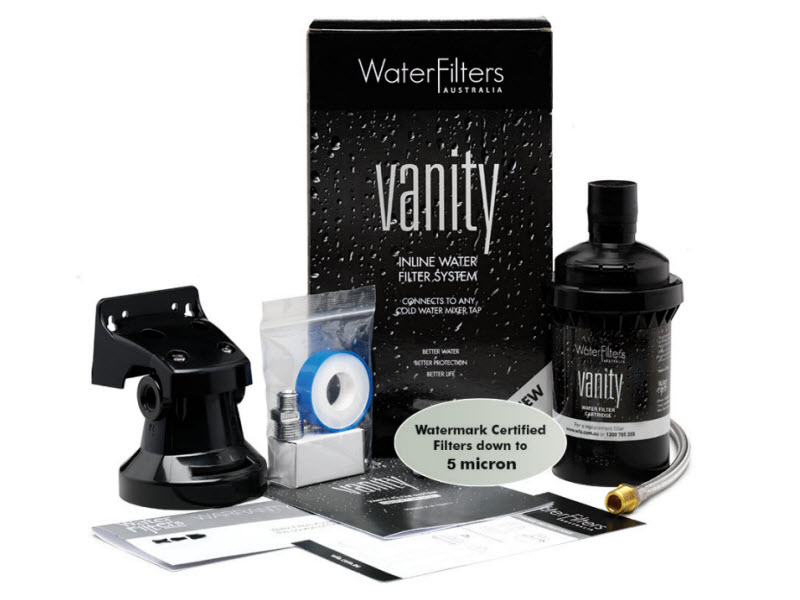
Bathroom Vanity Filter System
$240.90 - Compact for en suite bathrooms
- Space required 335mm x 225mm
- Mounts vertically or horizontally
- Works with your existing tap
- Protects tap from limescale build-up
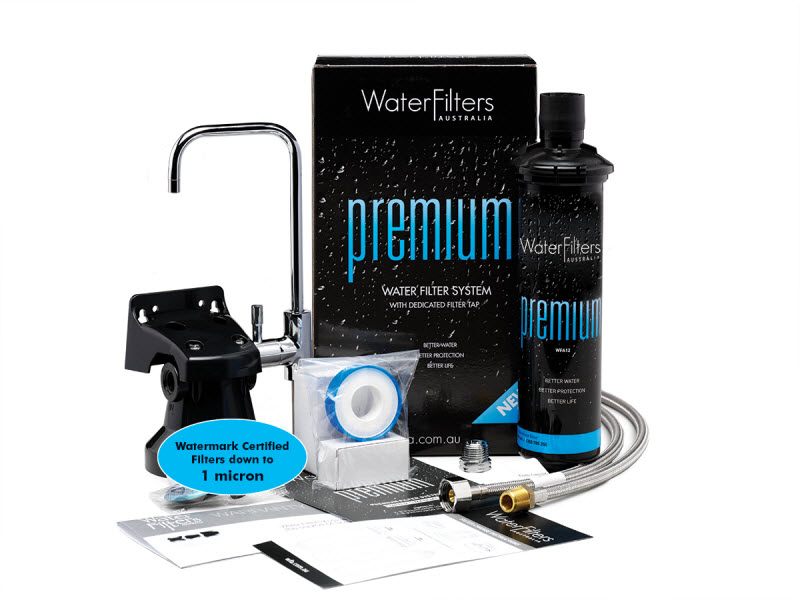
Dedicated Filter Tap System
$394.8 - Ideal if you like a separate filter tap
- Mount filter vertically or horizontally
- Filter lasts 12 months
- Same great taste
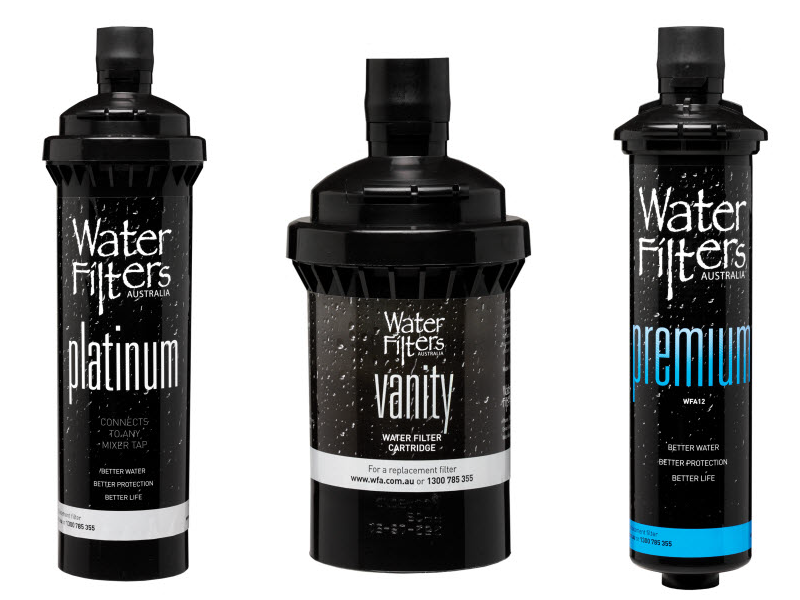
Replacement Filter Cartridges
From $69.76- WFA & Everpure cartridges
- Omnifilter cartridges
- Rainwater cartridges
- Fridge cartridges
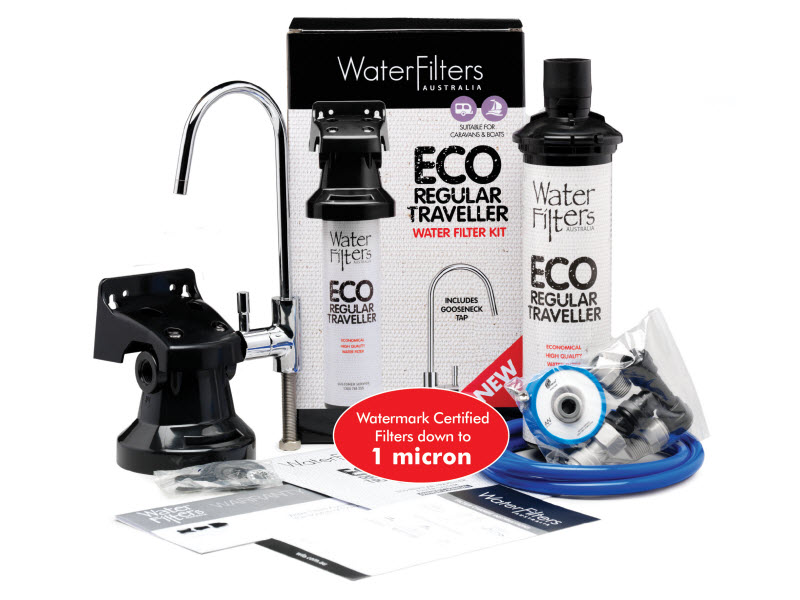
Water Filters for Your RV
From $163.89- Easy installation
- Choice of three systems
- Significantly cheaper than bottled water
- Durable & long lasting
- Space saving
Counter Top System & Filter Taps
From $71- Ideal solution for people on the move
- No plumbing required
- Chrome plated
- Lever operation
- Suitable for WFA Filter Systems
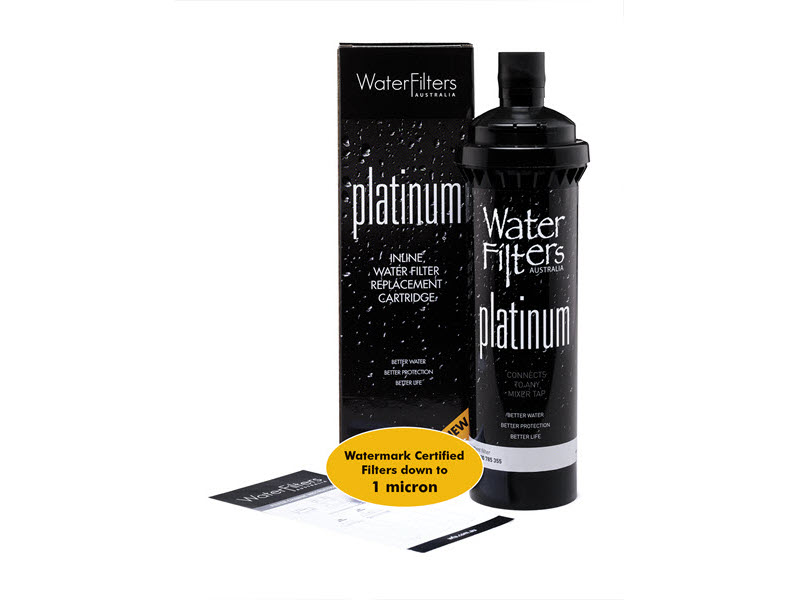
WFA Replacement Cartridges
From $69.76 - Inhibits lime scale build up in water using appliances
- Environmentally friendly
- Removes particles 75 times smaller than the diameter of a hair
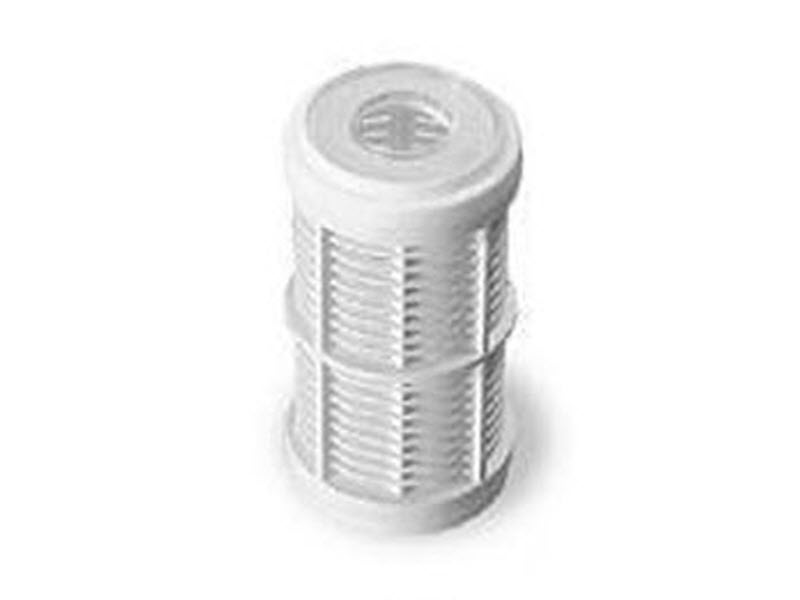
Rain Water Filters
From $37.01 - Ideal screen filter for sediment particles in excess of 80 microns.
- Typically used for filtration before or after a rainwater tank pump
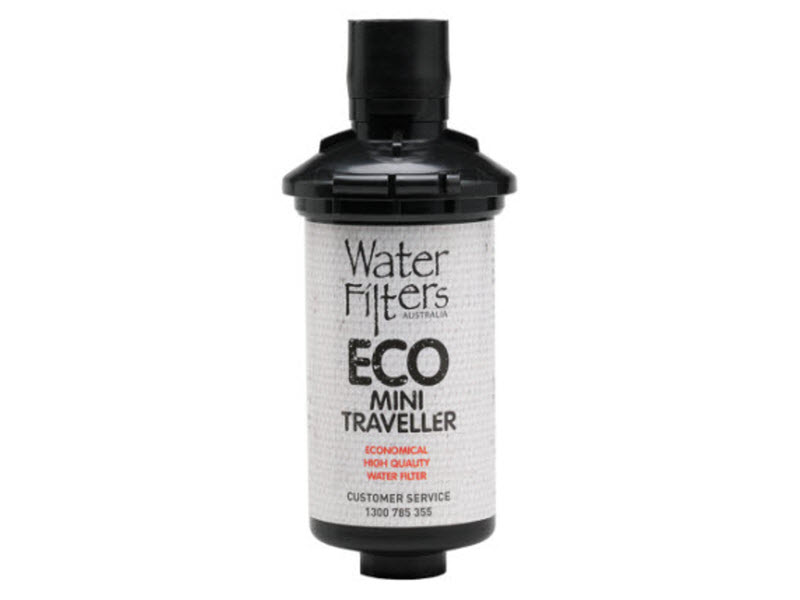
RV & Marine Cartridges
From $69.76- Compact size
- Quick change cartridge – DIY
- Compatible with all Everpure ADC filter installations
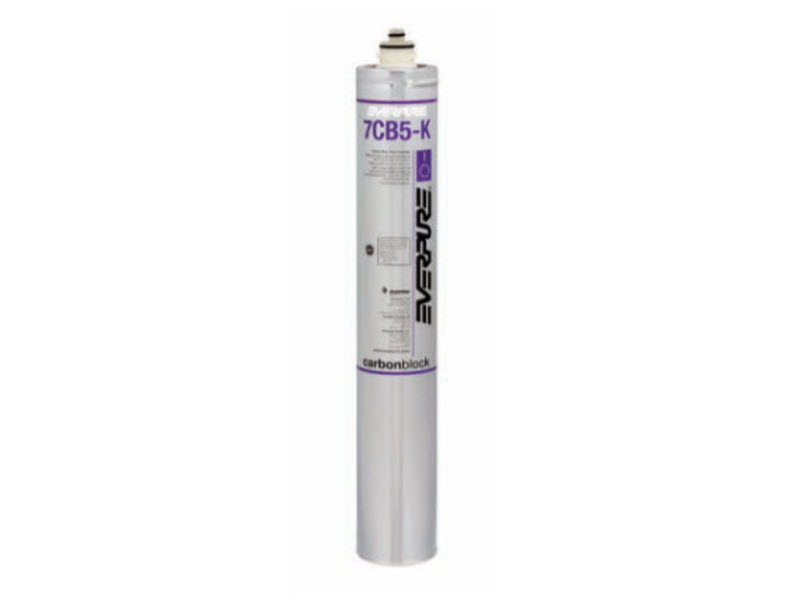
Everpure
From $203.83- The Everpure 7CB5-K cartridge filters out particles between 1 and 5 microns in size. By way of comparison, the diameter of human hair is 75 microns.
- Contaminants reduced/removed include sediment, chlorine, bad tastes and odours.
- The filtration process also inhibits limescale build up in water using appliances.

Omnifilter
From $36.93- The 1100R is the half micron ‘quick change’ replacement cartridge and is recommended for use with the Omnifilter CBF2 water filter system.
- Removes/reduces the following contaminants and substances; cysts such as giardia and cryptosporidium, chlorine, bad tastes and odours.
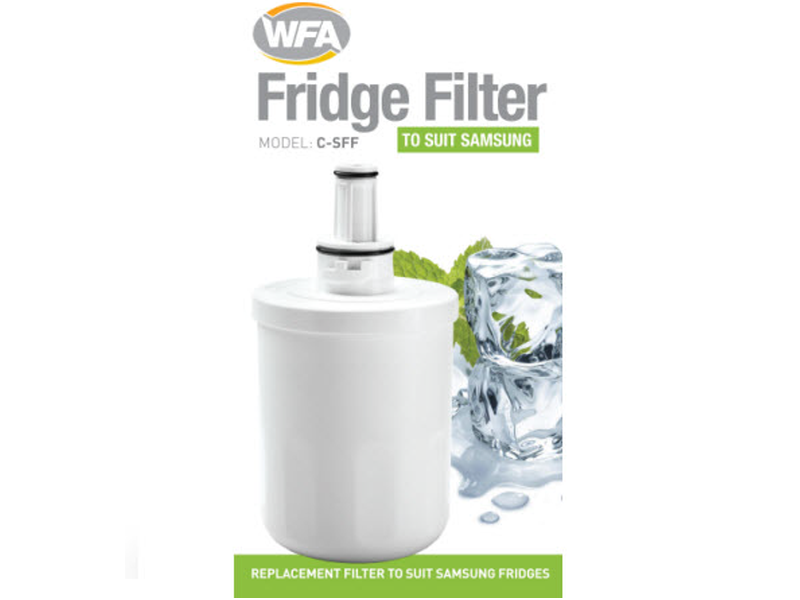
Fridge Filter Cartridges
From $82.48- Contaminants removed include chlorine, bad tastes and odours with some sediment removal/reduction.
- The cartridge inlet and outlet include ¼” ‘push fit’ connection fittings.
- Environmentally friendly, reducing plastic bottle waste.
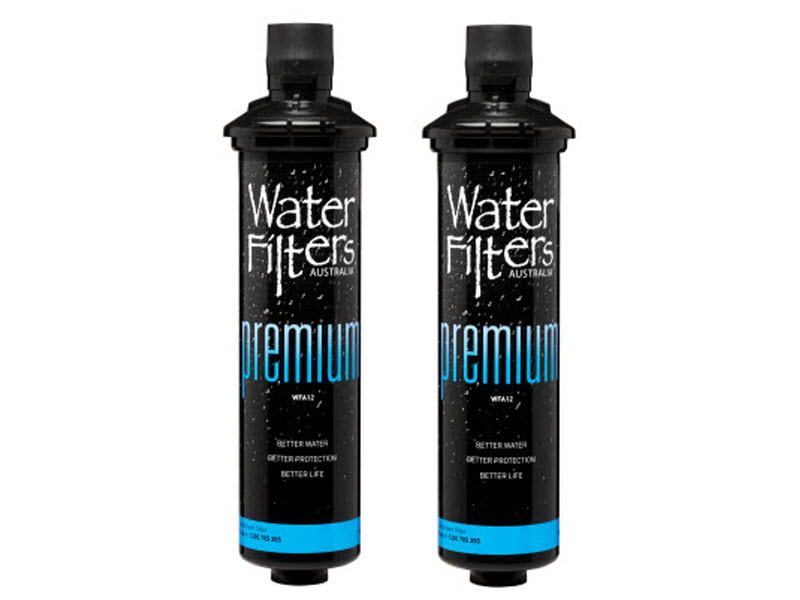
Specials
From $66.97- A 2 year supply*. Receive a reminder notification to change to your second cartridge.
- Larger quantities purchased receive a larger discount.
News & Articles
How to Keep Your Drinking Water Safe During Emergencies
Floods, bushfires and severe storms can all create risks for drinking water safety. Learn how different emergencies can affect water quality, what to do if your tap water becomes unsafe and how Australian households can prepare for unexpected disruptions to their drinking water supply.
The Benefits of Filtered Water for Healthy Ageing
Our hydration needs don’t disappear with age, but the body’s ability to recognise and respond to thirst can change significantly. While we had those helpful reminders from people who cared for us when we were younger, we may not have the same reminders as seniors. Yet staying hydrated is so important for healthy ageing.
Is Filtered Water a Better Choice during Pregnancy?
During pregnancy, staying hydrated is more important than ever, but does the quality of your drinking water matter too? Discover how filtered water can help reduce unwanted contaminants, support healthy hydration during pregnancy, and provide quality drinking water for you and your growing family.