

The science behind warm versus cold filtered water

Your body makes complex adjustments in response to even the simplest choices. And whether warm or cold water is better for your body is a heated topic. The science behind it might surprise you. But some things are clear. Adequate hydration is the cornerstone of life and central to your wellbeing. Filtered water remains the best option for both taste and quality.
Water Filters Australia offers high-quality inline filters that give you access to cleaner water for everything you eat and drink. Temperature can change how your body responds to water, with research pointing to differences in absorption, digestion and comfort.
How water temperature affects hydration
Cool water is typically absorbed faster in the gastrointestinal tract than warm water, especially during exercise or after heat exposure. That’s why it tends to feel more thirst quenching at the gym or after a trip to the beach. That refreshing sensation also makes you drink more, which is especially important at these moments when your hydration needs are higher.
During exercise, especially in hot or humid conditions, drinking something cold can help the body stay cooler for longer. It slows the rise in core temperature, making physical activity feel more manageable. That cooling effect can also support endurance by easing heat stress and helping you maintain effort over time.
While cooler water helps regulate body temperature more effectively, some people find that warm or room-temperature water feels gentler during periods of high activity and recovery. This doesn’t make it more hydrating, but it can influence what people choose when they’re already feeling strained.
Digestive comfort from warm water
Warm water is often gentler on the digestive system, making it ideal first thing in the morning. Many people report that a simple glass of warmed water can help stimulate bowel movements and ease discomfort without the jolt of cold. The soothing temperature helps relax the stomach and intestines, which can be especially beneficial when digestion feels sluggish.
In addition to digestive benefits, warm water is also known to help relieve menstrual cramps and muscle tension. The warmth promotes circulation, which can help muscles relax. While modern research on this remains limited, the ritual continues to gain popularity as a gentle, accessible form of relief.
Part of the comfort comes down to habit. There’s a reason most people reach for something warm when they’re easing into the day or winding down at night. Like tea or broth, warm water feels grounding. It’s less about function and more about how it sits in the body. It’s calming and easy to take in when you’re not feeling your best.
Metabolism, circulation and temperature effects

You may have heard that when you drink cold water, your body does use a bit of energy to bring it up to core temperature. While true, the effect is minimal. You might burn a few extra calories with a cold glass, but it’s nowhere near significant enough to affect weight loss or metabolism immensely.
In contrast, a warm drink can help expand blood vessels just enough to feel it, like the gentle pulse of warmth easing tension. It’s not a metabolic game-changer, but it can feel comforting, especially if you’re stiff or chilled. That relaxation isn’t fat-burning magic. It’s a supportive, feel-good response that helps you relax.
Cold water can cause a slight spike in blood pressure as blood vessels constrict in response to the drop in temperature. Warm water, on the other hand, may lead to mild vasodilation and temporarily lower your blood pressure. While these effects are modest and short-term, they reflect how the body actively responds to temperature shifts even during something as simple as hydration.
Personal preference, performance and health conditions
While personal preference influences temperature choice, what matters most is finding a consistent routine that keeps you drinking enough. Whether someone prefers cold water in short bursts or warm sips throughout the day, sticking to a habit is often more effective than trying to follow general advice about what’s “better.”
Regarding performance in sport and endurance training, water temperature can be part of a broader performance strategy. Cold water might be used to manage heat stress or delay fatigue, while room temperature water can be easier to tolerate during long sessions. For these individuals, the choice is less about comfort and more about supporting output and recovery.
Health conditions may influence which water temperature feels best. People with esophageal disorders like achalasia often find cold water uncomfortable, while warm water can make swallowing easier. Migraine sufferers may also be sensitive to cold water, as it can sometimes trigger headaches, though others find cold helpful for relief. Understanding how your body responds can help you choose what supports your wellbeing and keeps hydration optimal.
Hydration is personal... so is how you get there
Warm and cold water affect the body in slightly different ways, but both contribute to proper hydration when the water is clean and enjoyable to drink. In most cases, preference and context carry more weight than scientific differences. An inline filter at your kitchen tap helps make every glass worthwhile by improving taste and removing what doesn’t need to be there, like chlorine and other contaminants.
At Water Filters Australia, our inline water filters are available online from our Australian distribution centre. They are manufactured in the United States to the highest quality and functionality standards. We only supply independently Watermark Certified systems, and we stock a complete inventory of certified replacement cartridges with 100% Australian-based customer support.
The temperature is up to you. But the quality shouldn’t ever be in question. Shop online today or contact our team for personalised advice on the best system for your home or caravan.
Buy Water Filter Systems
& Water Filters Online

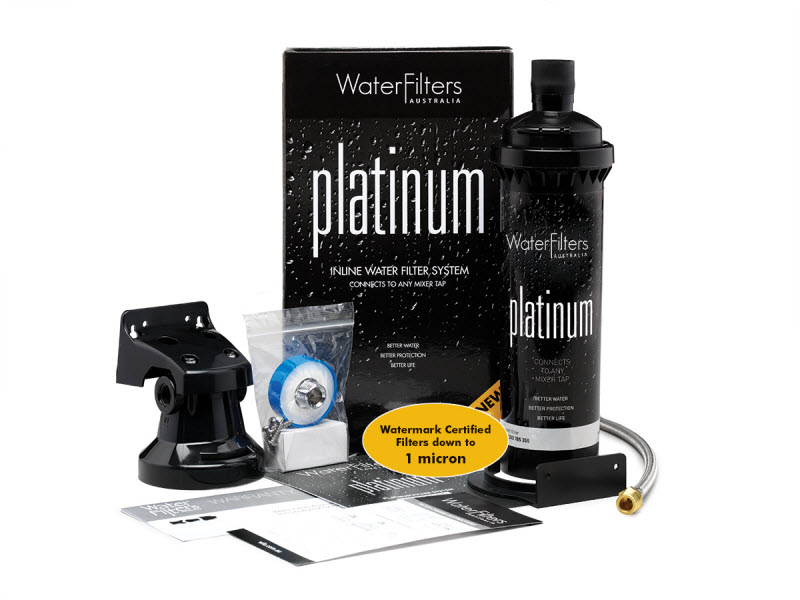
Inline Water Filter System
$346.84 - No separate tap or drilling needed
- Connects inline to cold-water hose
- No plumber needed
- 4x faster than traditional systems
- Lasts a family of 4 for 1 year
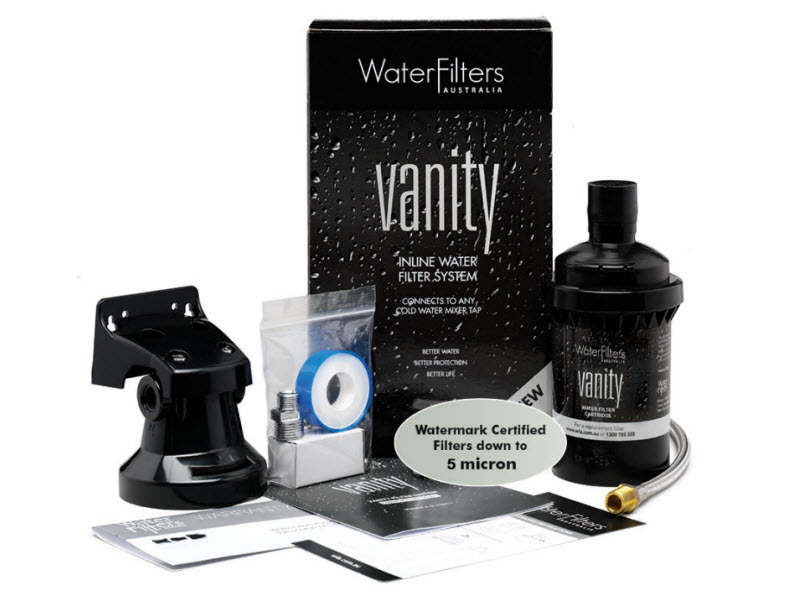
Bathroom Vanity Filter System
$240.90 - Compact for en suite bathrooms
- Space required 335mm x 225mm
- Mounts vertically or horizontally
- Works with your existing tap
- Protects tap from limescale build-up
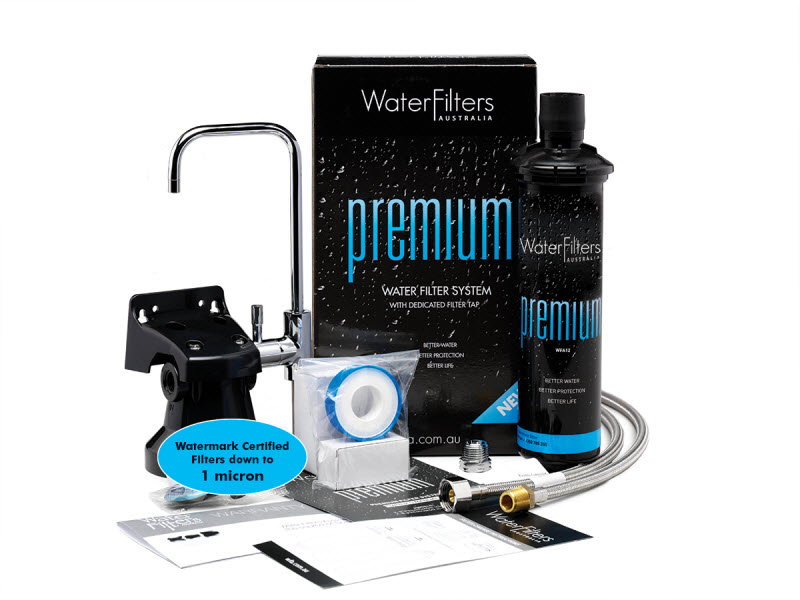
Dedicated Filter Tap System
$394.8 - Ideal if you like a separate filter tap
- Mount filter vertically or horizontally
- Filter lasts 12 months
- Same great taste
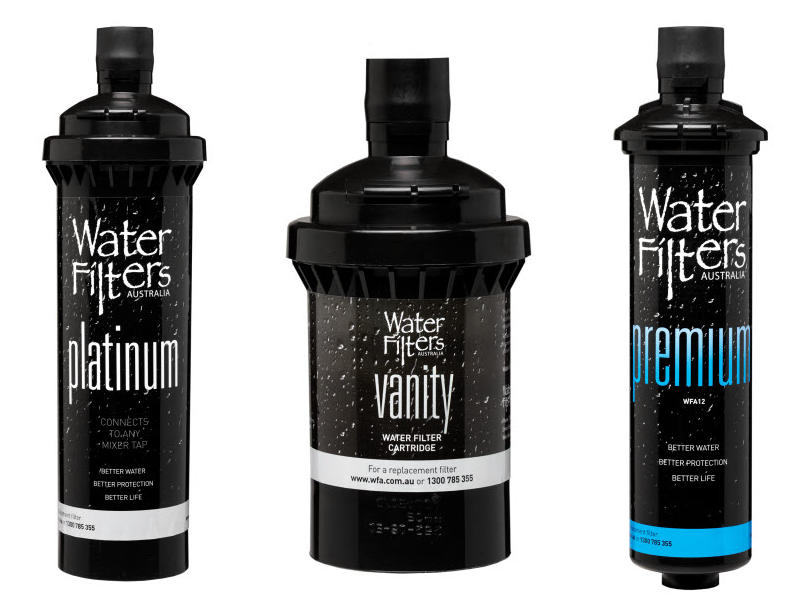
Replacement Filter Cartridges
From $69.76- WFA & Everpure cartridges
- Omnifilter cartridges
- Rainwater cartridges
- Fridge cartridges
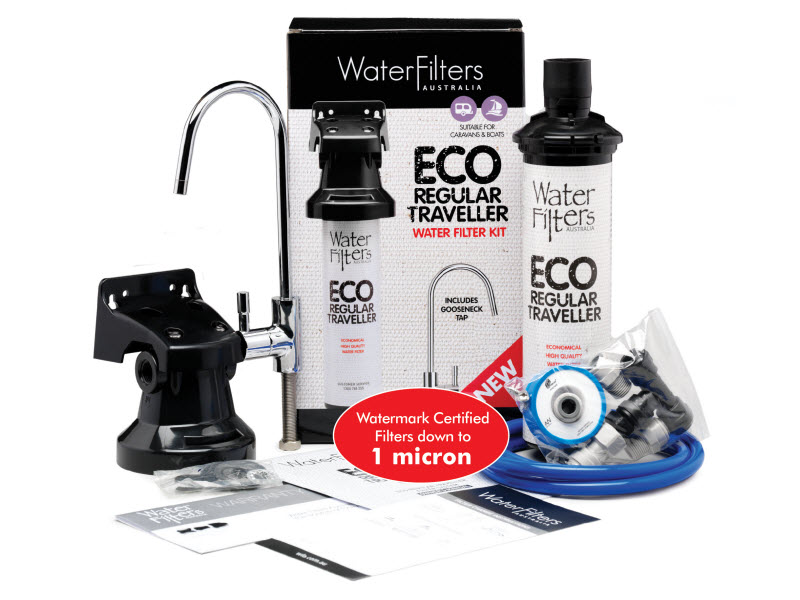
Water Filters for Your RV
From $163.89- Easy installation
- Choice of three systems
- Significantly cheaper than bottled water
- Durable & long lasting
- Space saving
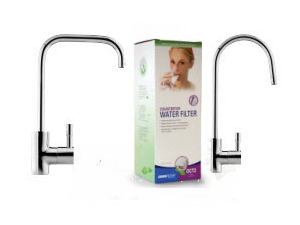
Counter Top System & Filter Taps
From $71- Ideal solution for people on the move
- No plumbing required
- Chrome plated
- Lever operation
- Suitable for WFA Filter Systems
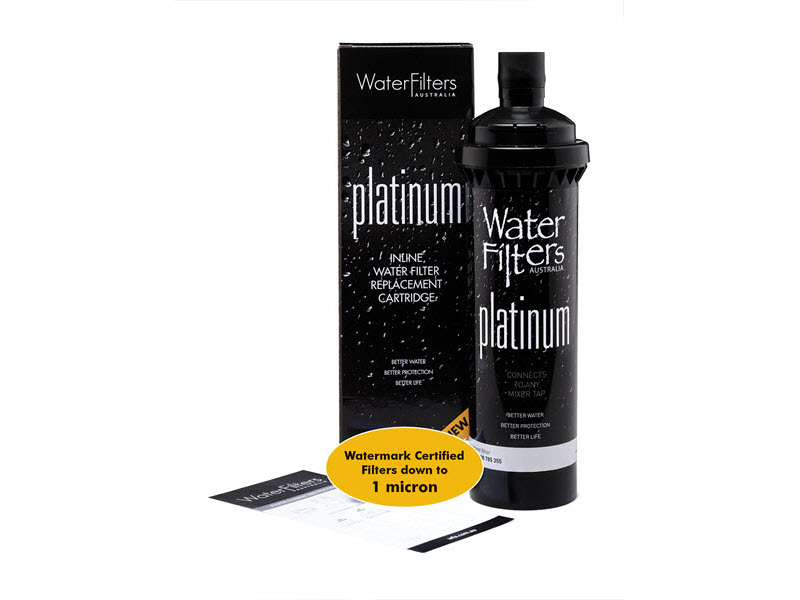
WFA Replacement Cartridges
From $69.76 - Inhibits lime scale build up in water using appliances
- Environmentally friendly
- Removes particles 75 times smaller than the diameter of a hair
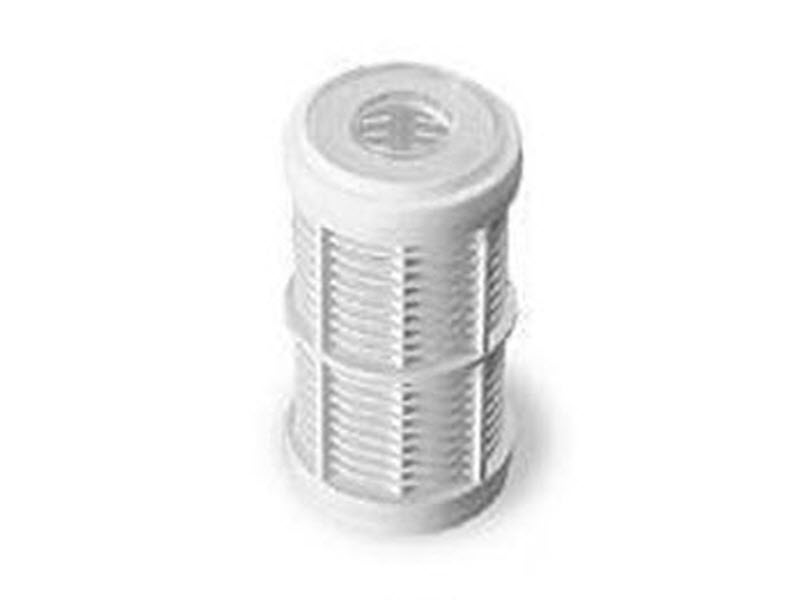
Rain Water Filters
From $37.01 - Ideal screen filter for sediment particles in excess of 80 microns.
- Typically used for filtration before or after a rainwater tank pump
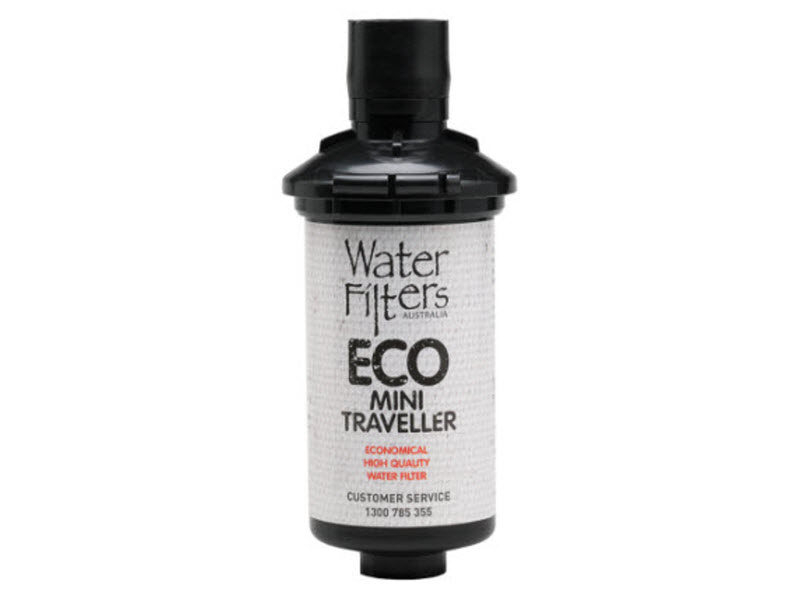
RV & Marine Cartridges
From $69.76- Compact size
- Quick change cartridge – DIY
- Compatible with all Everpure ADC filter installations
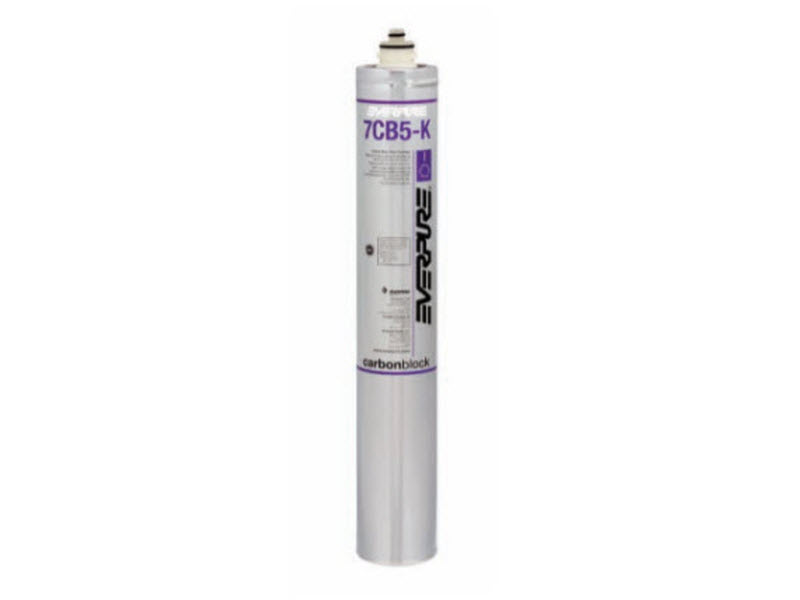
Everpure
From $120.45OUT OF STOCK
- The Everpure 7CB5-K cartridge filters out particles between 1 and 5 microns in size. By way of comparison, the diameter of human hair is 75 microns.
- Contaminants reduced/removed include sediment, chlorine, bad tastes and odours.
- The filtration process also inhibits limescale build up in water using appliances.

Omnifilter
From $36.93- The 1100R is the half micron ‘quick change’ replacement cartridge and is recommended for use with the Omnifilter CBF2 water filter system.
- Removes/reduces the following contaminants and substances; cysts such as giardia and cryptosporidium, chlorine, bad tastes and odours.
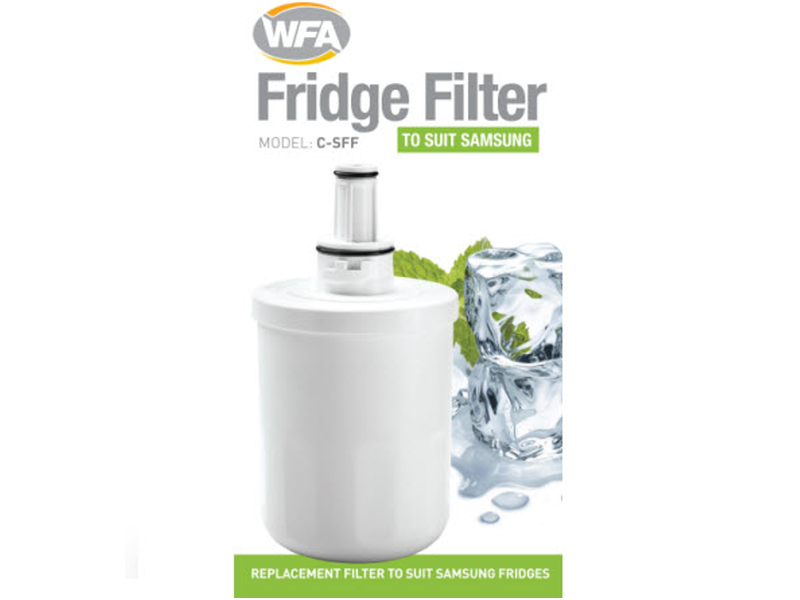
Fridge Filter Cartridges
From $82.48- Contaminants removed include chlorine, bad tastes and odours with some sediment removal/reduction.
- The cartridge inlet and outlet include ¼” ‘push fit’ connection fittings.
- Environmentally friendly, reducing plastic bottle waste.
Specials
From $66.97- A 2 year supply*. Receive a reminder notification to change to your second cartridge.
- Larger quantities purchased receive a larger discount.
News & Articles
The Benefits of Filtered Water for Healthy Ageing
Our hydration needs don’t disappear with age, but the body’s ability to recognise and respond to thirst can change significantly. While we had those helpful reminders from people who cared for us when we were younger, we may not have the same reminders as seniors. Yet staying hydrated is so important for healthy ageing.
Is Filtered Water a Better Choice during Pregnancy?
During pregnancy, staying hydrated is more important than ever, but does the quality of your drinking water matter too? Discover how filtered water can help reduce unwanted contaminants, support healthy hydration during pregnancy, and provide quality drinking water for you and your growing family.
Water Filter vs Water Purifier: What’s the Difference and Which Do You Need?
Two products can sound almost identical while doing very different jobs. For example, the terms water filter and water purifier are often used interchangeably, but they actually don’t mean the same thing. And this can cause some confusion for consumers trying to make the best possible choice for their home, office or caravan.