

Why Certified Water Filters Are Better Than Cheap Alternatives
For most big household purchases, saving money up front has a way of becoming the most expensive part of the decision. And that applies to water filters, too. A cheap option that leaks, cracks, underperforms or needs replacing sooner than expected will often cost more in the long run than investing in quality from the beginning. That’s why a certified water filter is often the smartest choice.
Even in countries with regulated drinking water like Australia, large numbers of consumers are looking for extra reassurance around what comes out of their taps at home through filtration systems. The problem is that not every option on the market is built or tested to the same standard. At Water Filters Australia, we supply certified solutions engineered for reliable long-term performance and everyday confidence.
What does certification actually mean on a water filter
Our filtration systems are all WaterMark certified, which means they have been assessed under Australia’s certification scheme for products connected to the water supply. This covers safety, durability, legal compliance and the suitability of materials that come into contact with drinking water.
While there are many uncertified imported systems sold online, they may not meet Australian requirements, particularly if they’ve been manufactured for overseas markets with different standards and water pressures. It’s also important to understand that installation compliance and filtration performance are not the same thing, even though many consumers assume they are. A unit may be approved for connection to the water supply while still making broad or unverified claims about what it actually filters. For example, some systems may improve chlorine taste and odour without effectively reducing contaminants such as lead, PFAS or cysts.
There are also international testing standards for filtration performance, including NSF and IAPMO certification, which confirm whether a filter genuinely reduces the specific contaminants it is marketed to remove. Legitimate results are usually backed by measurable figures such as reduction percentages, flow rates and cartridge lifespan, rather than broad phrases like ‘pure water’ or ‘advanced filtration’. If you’re buying a system, independently checking certifications gives you a far clearer picture than packaging, online listings or advertising ever will.
Unfortunately, counterfeit logos and misleading wording are becoming more common, particularly on very low-cost systems sold through international online marketplaces. Genuine approvals can usually be checked through public databases or directories using the model number or manufacturer details. Reputable companies are also transparent about testing standards, approving bodies and replacement cartridge specifications because they have nothing to hide.
Why do cheap water filters disappoint so often
Cheap filters are priced that way for a reason. Corners have been cut somewhere in the supply chain, whether that’s using lower-grade plastics, less rigorous manufacturing standards, limited quality control or minimal testing. Common issues include inconsistent performance, leaking fittings, cartridges that don’t fit properly, cracked housings, weak water pressure and systems failing far earlier than expected. Sometimes the water tastes better for a while, only for that quality to decline within weeks or well before the advertised cartridge lifespan.
Support is another major difference. Cheaper alternatives are often sold through temporary online storefronts with little after-sales assistance, difficult warranty processes or replacement cartridges that become impossible to source later on. Some systems are also designed to compete more on appearance than long-term reliability, which is why they can look far more impressive in the photos than they do in everyday use.
Value is key. If you want clean, fresh water at home for years to come, you need something reliable that continues to do the job properly without becoming a constant hassle. A low price tag now can end up costing far more once you factor in damage from leaks, frequent filter changes or having to call a plumber to fix installation problems.
What real buyers are saying after going cheap

You don’t have to take our word for it either. Spend five minutes on Reddit, Whirlpool or product review forums, and you’ll quickly notice the same themes appearing again and again from people who went for the cheapest option available. Comments like these are everywhere:
“It worked fine for the first month, then the pressure dropped so badly it took forever to fill a bottle.”
“The housing cracked under the sink and leaked everywhere overnight.”
“Couldn’t find replacement cartridges anywhere after six months.”
“The water tasted better at first, but then went back to normal really quickly.”
“Instructions were terrible and none of the fittings matched properly.”
“Customer support completely disappeared once we had a problem.”
“Ended up replacing the whole thing within the year.”
“Wish I’d just bought a proper system the first time.”
“The photos looked great online, but it felt cheap the moment we opened the box.”
“Spent more fixing the leaks than I saved buying it.”
These are typical consumer anecdotes, not lab tests, but the problems and concerns they raise are exactly why certification exists.
How do you choose a water filter you can trust
When deciding which water filtration system to buy, you first need to think about what you actually want from it. Quality matters, but so do purpose and application. Some households are mainly focused on improving taste and odour, while others are more concerned about specific contaminants. Some people are happy relying on a plumbed fridge for filtered water, while others prefer the convenience of an inline under-sink setup.
Each has different requirements, capacities and performance expectations. Once you’ve narrowed down the type of system you want, check for WaterMark approval where relevant, particularly for anything connected to your water supply. It also helps to choose a supplier that is upfront about specifications, replacement timeframes, warranty information and ongoing support. And remember, cheaper now does not necessarily mean more economical over time.
At WFA, we’re passionate about delivering high-quality products and exceptional service. Our customers keep coming back because they know they’re getting independently certified water filters and support from a dedicated Sydney-based team who look after all our customers, installers, distributors and retailers across the country.
Better water starts with better standards
Ultimately, cheaper water filters ask the consumer to trust the label. Certified water filters give them something they can actually verify.
Water Filters Australia supplies premium inline water filters online from our Australian distribution centre. Manufactured in the United States to strict standards, all systems are WaterMark certified, and we offer a full range of certified replacement cartridges.
Shop online today or contact our team for personalised advice on the best system for your home or caravan.
Buy Water Filter Systems
& Water Filters Online

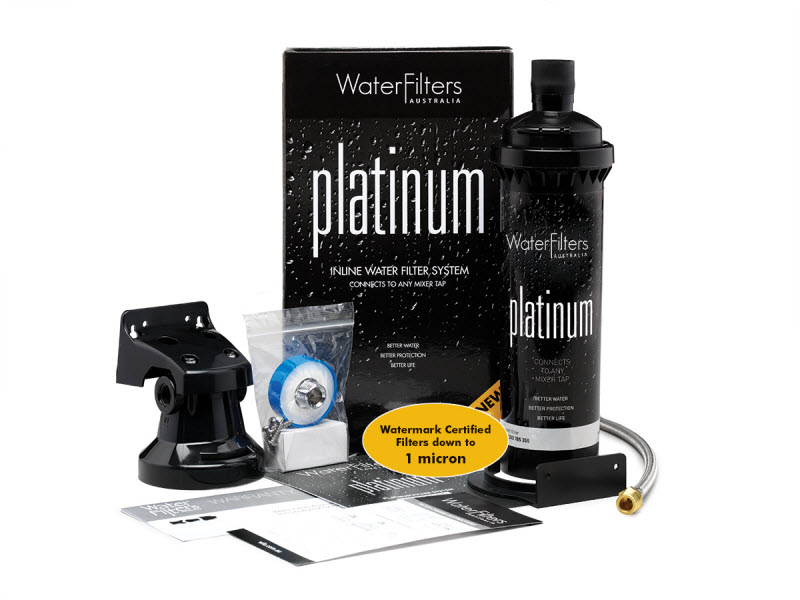
Inline Water Filter System
$346.84 - No separate tap or drilling needed
- Connects inline to cold-water hose
- No plumber needed
- 4x faster than traditional systems
- Lasts a family of 4 for 1 year
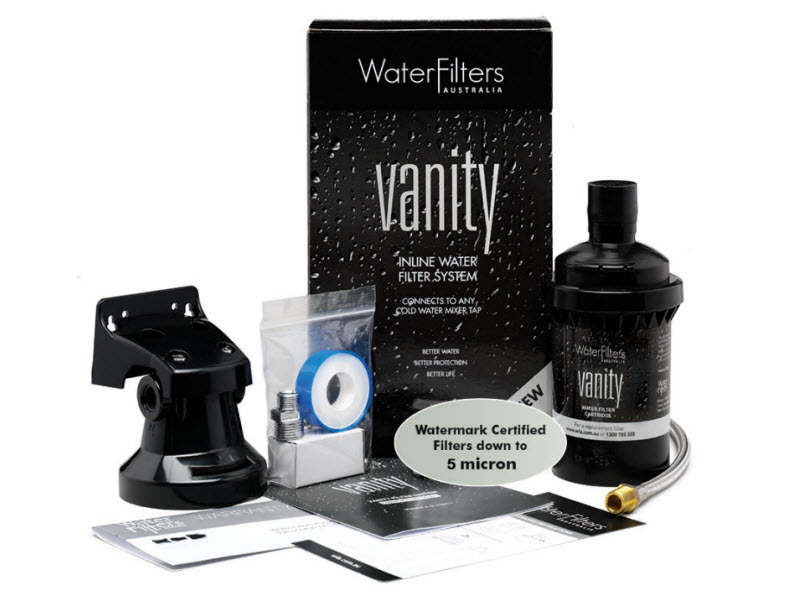
Bathroom Vanity Filter System
$240.90 - Compact for en suite bathrooms
- Space required 335mm x 225mm
- Mounts vertically or horizontally
- Works with your existing tap
- Protects tap from limescale build-up
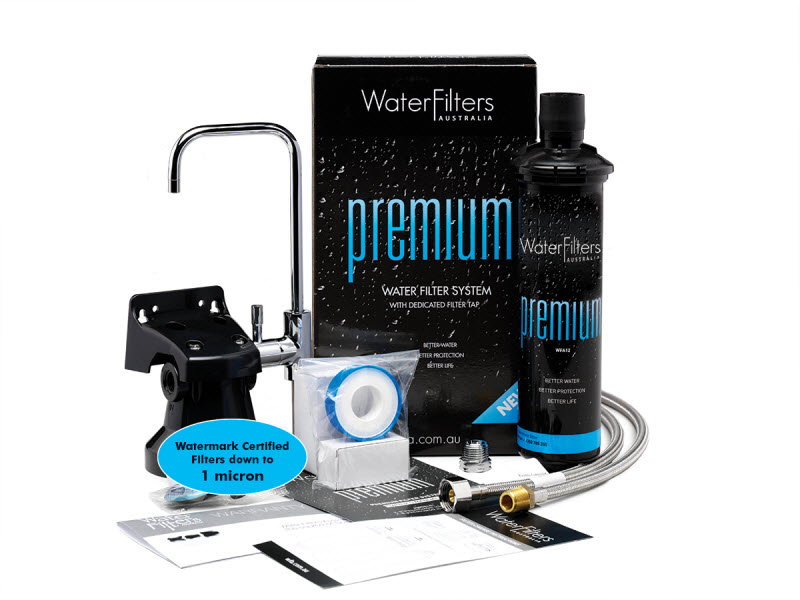
Dedicated Filter Tap System
$394.8 - Ideal if you like a separate filter tap
- Mount filter vertically or horizontally
- Filter lasts 12 months
- Same great taste
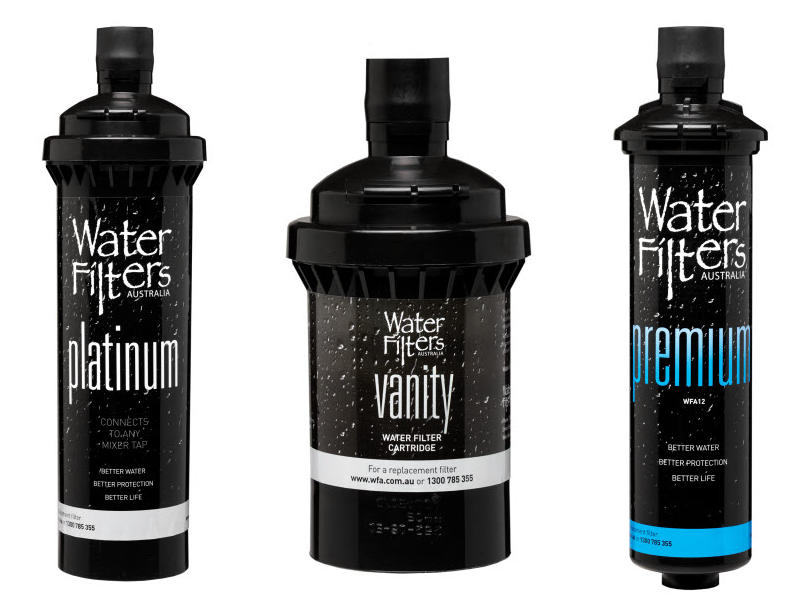
Replacement Filter Cartridges
From $69.76- WFA & Everpure cartridges
- Omnifilter cartridges
- Rainwater cartridges
- Fridge cartridges
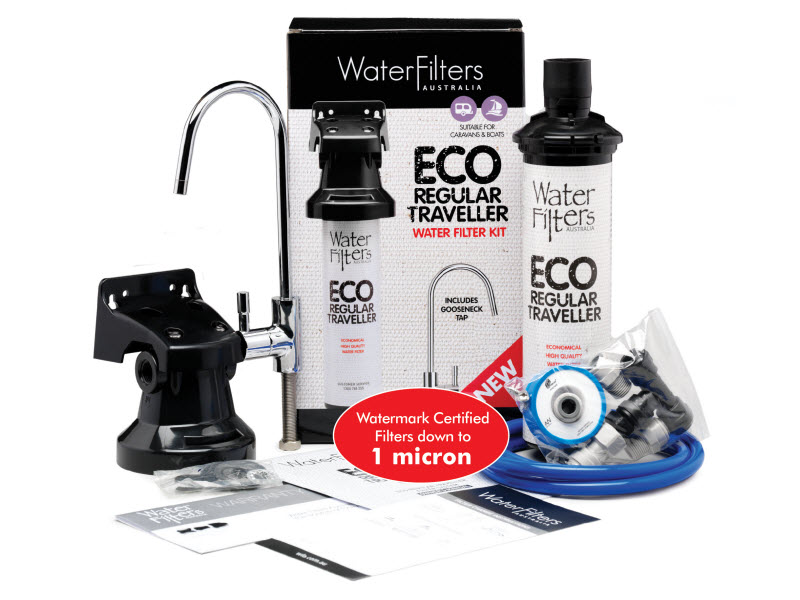
Water Filters for Your RV
From $163.89- Easy installation
- Choice of three systems
- Significantly cheaper than bottled water
- Durable & long lasting
- Space saving
Counter Top System & Filter Taps
From $71- Ideal solution for people on the move
- No plumbing required
- Chrome plated
- Lever operation
- Suitable for WFA Filter Systems
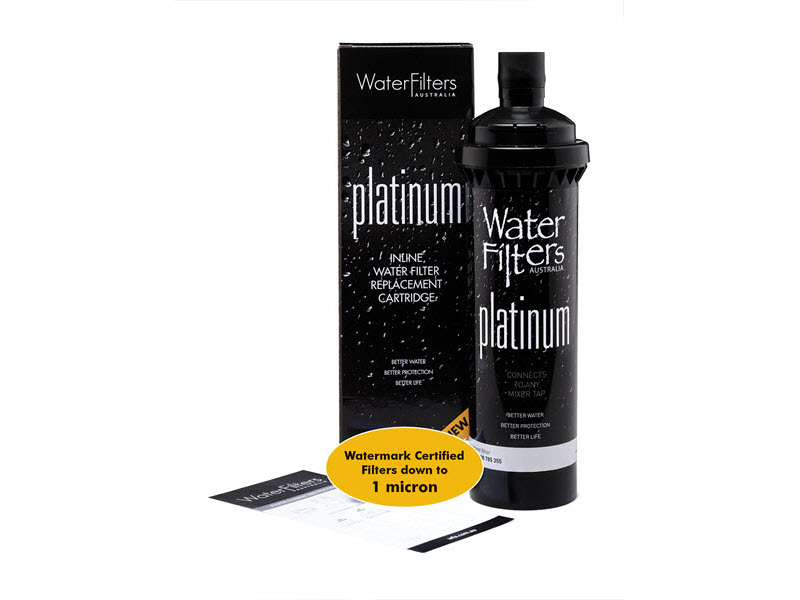
WFA Replacement Cartridges
From $69.76 - Inhibits lime scale build up in water using appliances
- Environmentally friendly
- Removes particles 75 times smaller than the diameter of a hair
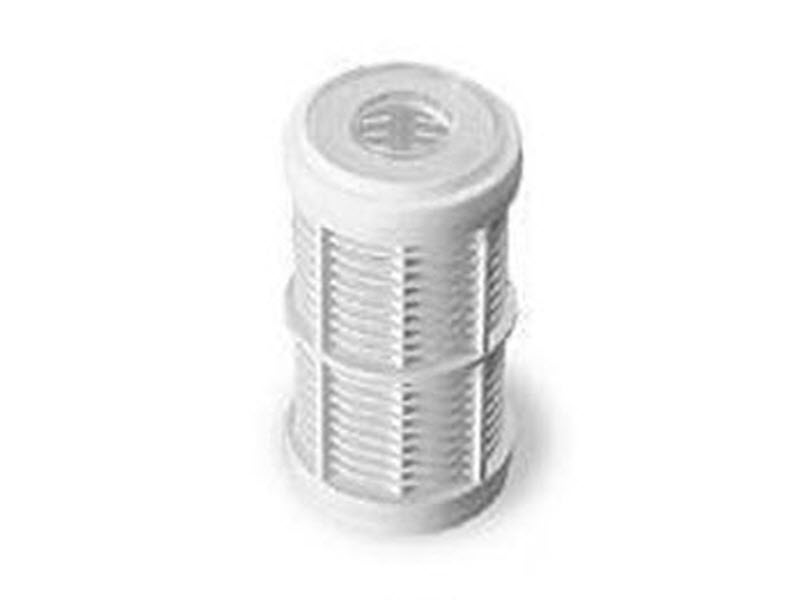
Rain Water Filters
From $37.01 - Ideal screen filter for sediment particles in excess of 80 microns.
- Typically used for filtration before or after a rainwater tank pump
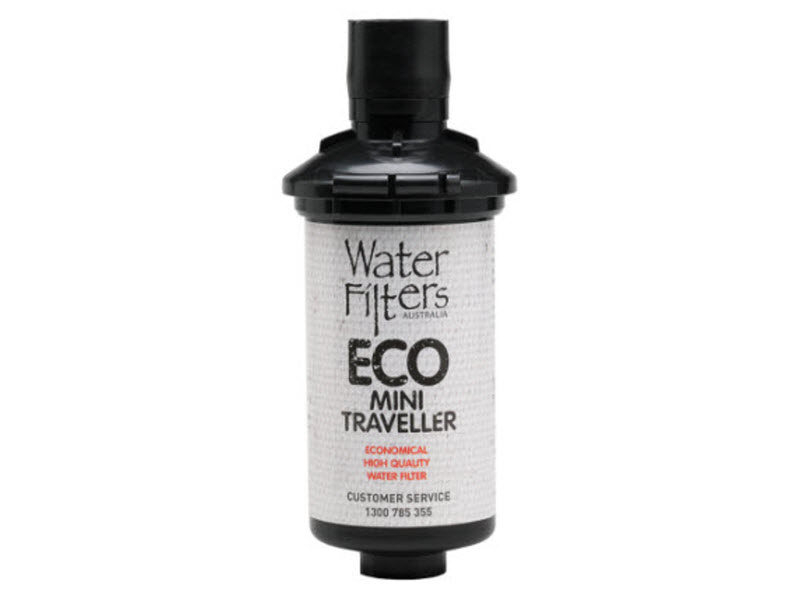
RV & Marine Cartridges
From $69.76- Compact size
- Quick change cartridge – DIY
- Compatible with all Everpure ADC filter installations
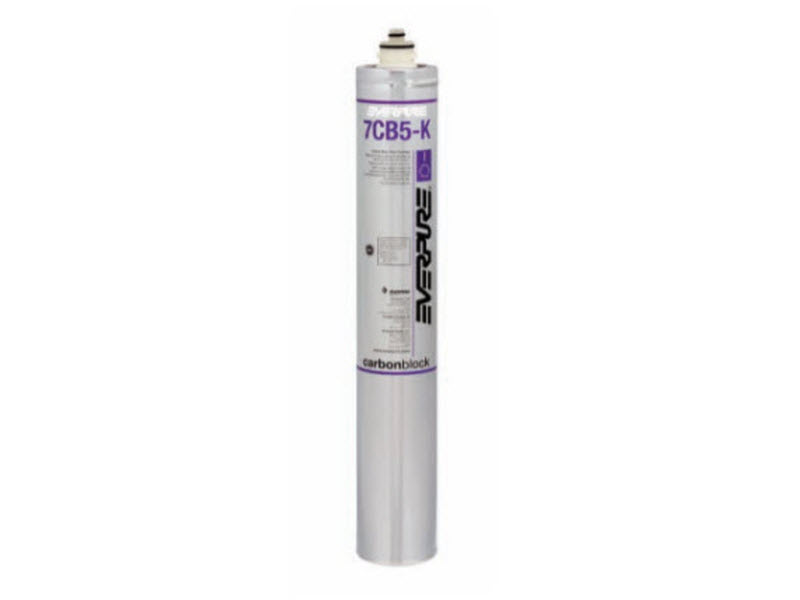
Everpure
From $120.45OUT OF STOCK
- The Everpure 7CB5-K cartridge filters out particles between 1 and 5 microns in size. By way of comparison, the diameter of human hair is 75 microns.
- Contaminants reduced/removed include sediment, chlorine, bad tastes and odours.
- The filtration process also inhibits limescale build up in water using appliances.

Omnifilter
From $36.93- The 1100R is the half micron ‘quick change’ replacement cartridge and is recommended for use with the Omnifilter CBF2 water filter system.
- Removes/reduces the following contaminants and substances; cysts such as giardia and cryptosporidium, chlorine, bad tastes and odours.
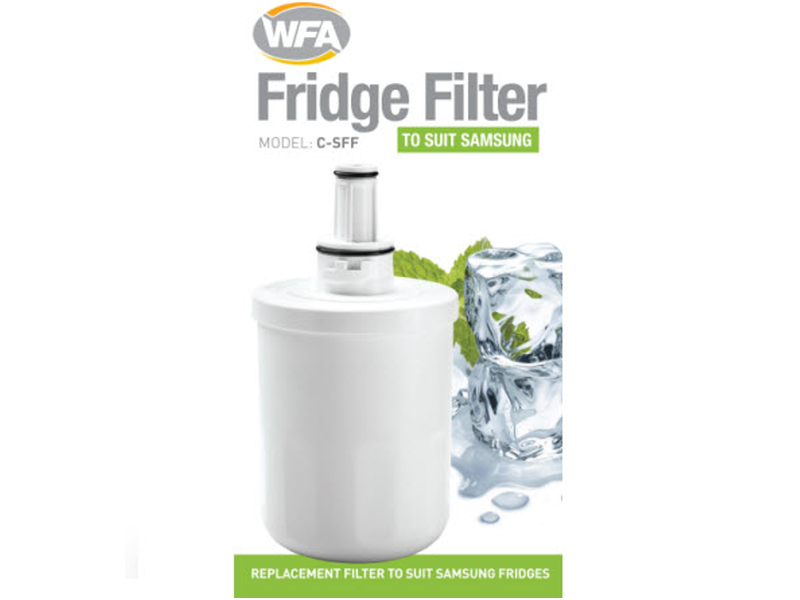
Fridge Filter Cartridges
From $82.48- Contaminants removed include chlorine, bad tastes and odours with some sediment removal/reduction.
- The cartridge inlet and outlet include ¼” ‘push fit’ connection fittings.
- Environmentally friendly, reducing plastic bottle waste.
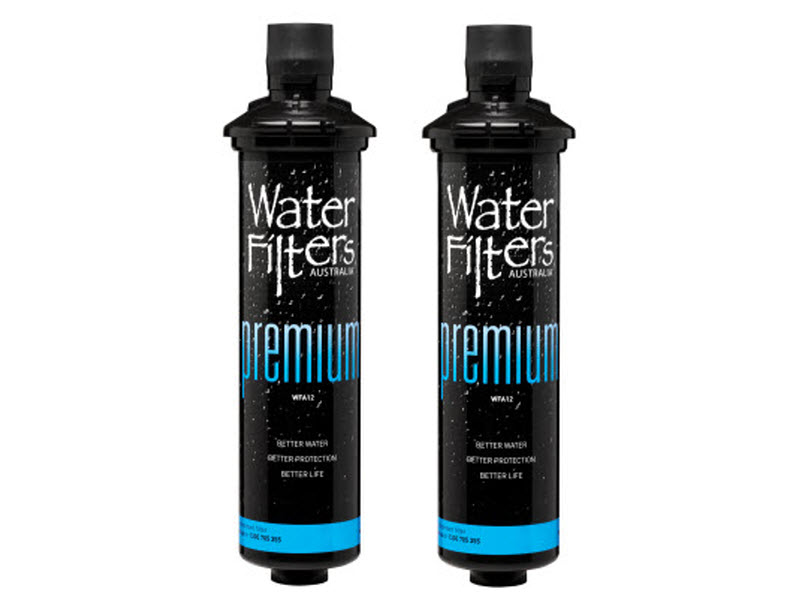
Specials
From $66.97- A 2 year supply*. Receive a reminder notification to change to your second cartridge.
- Larger quantities purchased receive a larger discount.
News & Articles
Is Filtered Water a Better Choice during Pregnancy?
During pregnancy, staying hydrated is more important than ever, but does the quality of your drinking water matter too? Discover how filtered water can help reduce unwanted contaminants, support healthy hydration during pregnancy, and provide quality drinking water for you and your growing family.
Water Filter vs Water Purifier: What’s the Difference and Which Do You Need?
Two products can sound almost identical while doing very different jobs. For example, the terms water filter and water purifier are often used interchangeably, but they actually don’t mean the same thing. And this can cause some confusion for consumers trying to make the best possible choice for their home, office or caravan.
Pets Need Clean Water Too: The Benefits of Filtered Water for Your Furry Friends
The average dog or cat will drink thousands of bowls of water over its lifetime. Pets are family, and many owners will spend hours carefully choosing the best food and bedding for them. But what about hydration? Water is just as essential for animals as it is for humans. And when it’s filtered, it’s cleaner and tastes better.