

Inline Water Filters for Your Home and How They Compare to Fridge Filters
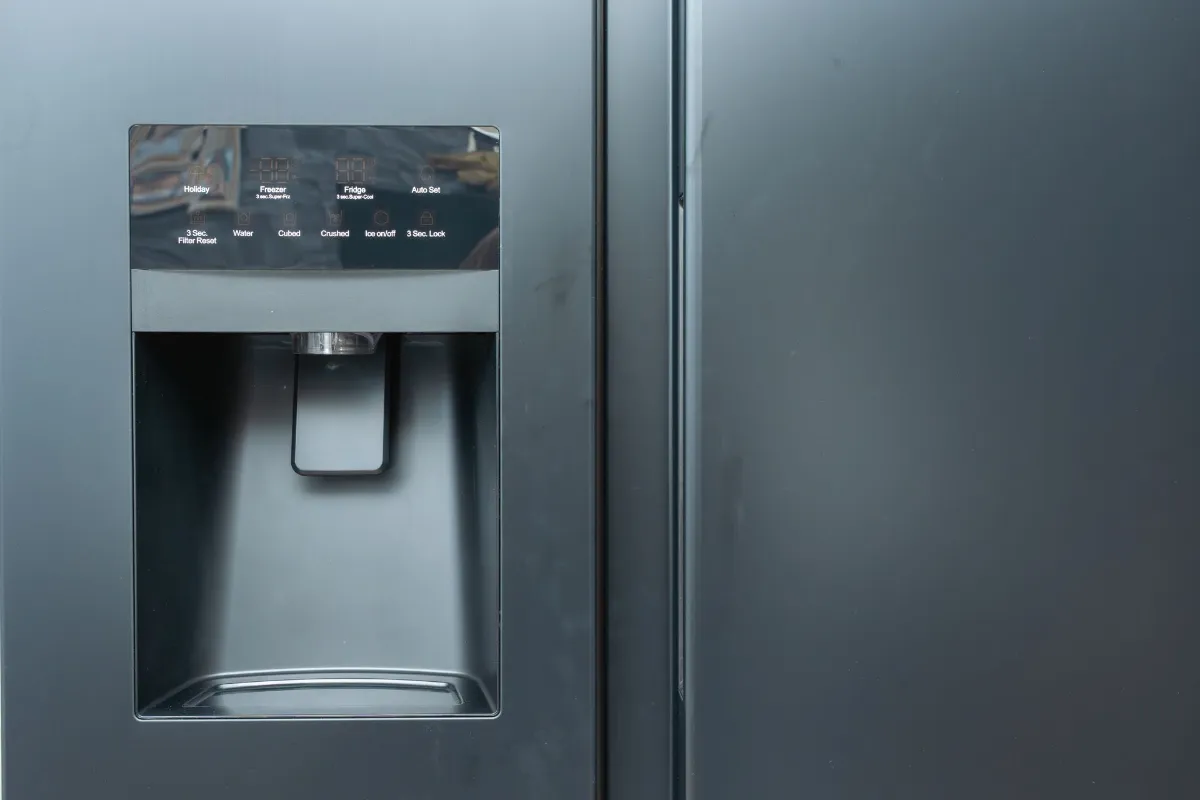
Pure water at the push of a button on a regular appliance has become second nature in many kitchens. In fact, filtered water straight from the fridge is now pretty standard, and for many Australian households, it feels like enough. But not all filtration methods are designed for the same purposes. If you’ve ever wondered whether a fridge filter really covers all your needs or how it compares to an inline water filter, you’ve come to the right place. We can explain.
At Water Filters Australia, we’ve been providing the nation with high-quality, durable and fully certified water filter products since 1999. We offer inline filtration systems for various locations throughout the home, including bathrooms, as well as outdoor options like our caravan and RV option. Here’s what you need to know about these systems versus what your fridge provides.
How fridge filters work
Because a fridge filter is installed in (or connected to) the unit, which is plumbed into your home’s water supply line, it’s primarily designed for drinking water and ice at the point of use. Most systems use activated carbon, which adsorbs contaminants as water passes through. They typically target chlorine, sediment and other compounds that affect taste and odour, which is why fridge tastes better than what comes out of the average, unfiltered tap. Some higher-end models include additional stages, like ion exchange or UV, but this isn’t standard.
This means fridge filtration is limited to the unit, whether a dispenser or ice maker, and does not extend to other water sources in the kitchen. That single point of access can sometimes limit or complicate things. It’s easy to push the button and enjoy a fresh glass of chilled water, but if you need to fill a pot while cooking, it’s not as straightforward, especially once it starts getting heavy in your hands! And with compact filter cartridges, both capacity and flow can be more limited, so it may take a little longer than you’d like.
What makes inline water filters different?
Inline systems are connected directly to the main water line, usually under the sink or where water feeds into a specific tap. Filtration happens as water moves through the pipe, not at the point of dispensing as it does in a fridge. This means filtered water is available from a tap you already use for everything, with stronger and more consistent pressure than what you get from an appliance.
So, going back to the example of the pot that needs filling with clean, filtered water, an inline filter makes this easy. You can rinse produce, fill your coffee machine, and handle other everyday food prep straight from the kitchen tap, without having to switch between filtered and unfiltered water depending on what you’re doing.
And an inline system isn’t tied to the lifespan of an appliance. You might change your kitchen layout or upgrade your fridge over time, but your sink is likely to stay put. You still have consistent access to filtered water. If you want that same level of water quality elsewhere, like in the bathroom or your caravan or RV, an inline setup is the way to go.
Comparing filtration coverage and performance

When it comes to performance, the difference largely comes down to size, capacity and design flexibility.
Fridge filters are built to fit within a confined space inside the appliance, which necessitates smaller cartridges, which means a lower volume of water processed before a replacement is needed. Inline systems are not limited in the same way. They are designed to handle higher flow rates and larger volumes, which supports a more consistent long-term performance.
There is also more flexibility in how inline filters are constructed, including the type and amount of filtration media used, which can influence how effectively different elements in the water are reduced.
|
Feature |
Fridge Filters | Inline Water Filters |
| Cartridge size | Compact to fit inside fridge housing | Larger, not restricted by appliance size |
| Filtration capacity | Lower capacity, requires more frequent replacement | Higher capacity, longer lifespan between changes |
| Flow rate | Can be slower due to size and design limitations | Designed for stronger, more consistent flow |
| Filtration media | Typically basic activated carbon | Can include higher volumes of carbon and varied media types |
| Performance consistency | May decline faster as filter reaches capacity | More stable performance across lifespan |
| Design flexibility | Limited by fridge model and specifications | Greater flexibility depending on system and setup |
Convenience, maintenance and long-term value
When choosing a filtration method, maintenance is often a key consideration. Being compact, fridge filters generally need replacing more often, depending on how frequently the dispenser and ice maker are used. For most households, that works out to be around every six months. Inline filters are larger, and for an average-sized family, a cartridge change is usually only needed about once a year.
Thankfully, both fridge and inline filters are fairly straightforward to replace, though with fridge filters, it can depend on whether the unit is internal or external. If it’s internal, the model and how easy it is to access the housing will determine how simple the process is. Our inline systems at WFA are easy to change, with no plumber or specialised tools required.
Thinking long term, if you prefer to have filtered water available for more than just drinking, inline options around the home tend to offer better overall value.
Making the most of your water at home
Nobody is arguing that fridge filters aren’t a convenient, almost magical feature that delivers chilled water straight into your glass. And if you’ve got a fridge with a water dispenser, we’d absolutely encourage you to use it. But if you’re wondering whether your current setup is enough for your clean water needs, or whether it’s worth looking into a new fridge or an inline system at home, you should weigh up convenience, capacity, maintenance and long-term value.
Water Filters Australia supplies premium inline water filters online from our Australian distribution centre. Manufactured in the United States to strict standards, all systems are WaterMark certified, and we offer a full range of certified replacement cartridges with 100% Australian-based support.
Shop online today or contact our team for personalised advice on the best system for your home or caravan.
Buy Water Filter Systems
& Water Filters Online

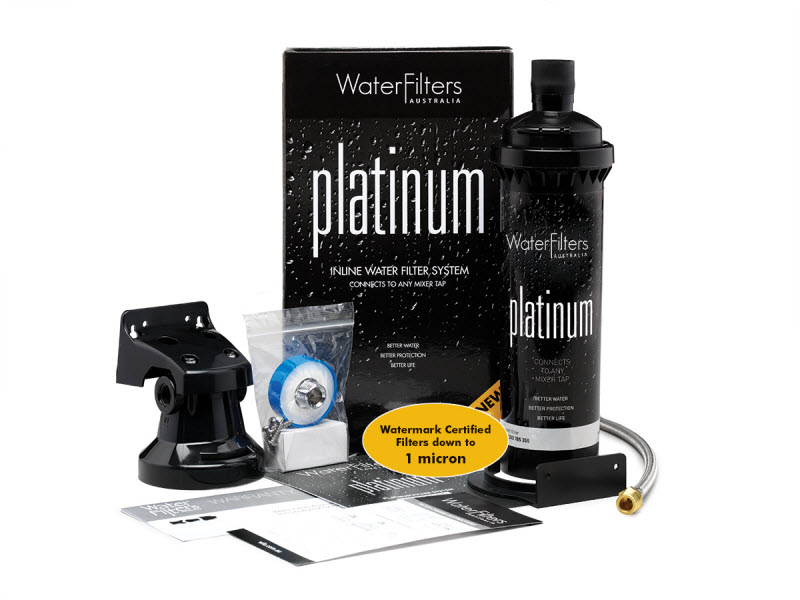
Inline Water Filter System
$346.84 - No separate tap or drilling needed
- Connects inline to cold-water hose
- No plumber needed
- 4x faster than traditional systems
- Lasts a family of 4 for 1 year
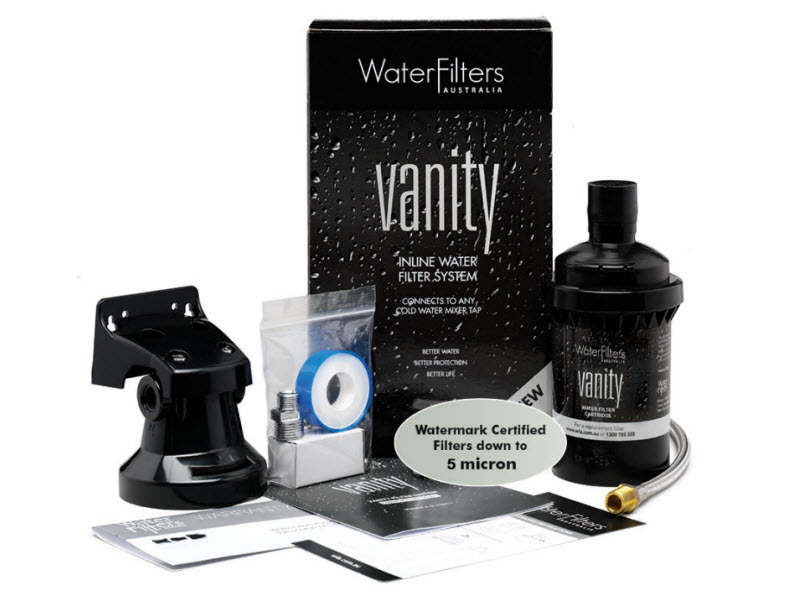
Bathroom Vanity Filter System
$240.90 - Compact for en suite bathrooms
- Space required 335mm x 225mm
- Mounts vertically or horizontally
- Works with your existing tap
- Protects tap from limescale build-up
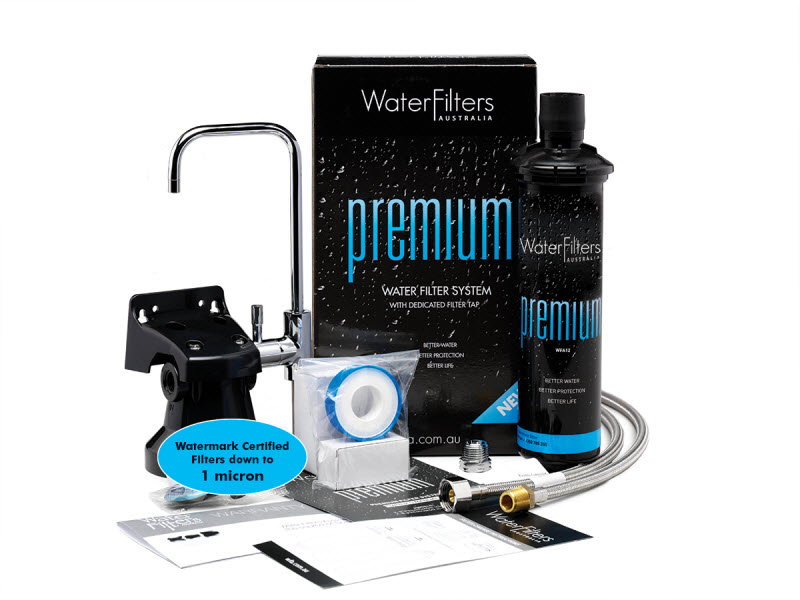
Dedicated Filter Tap System
$394.8 - Ideal if you like a separate filter tap
- Mount filter vertically or horizontally
- Filter lasts 12 months
- Same great taste
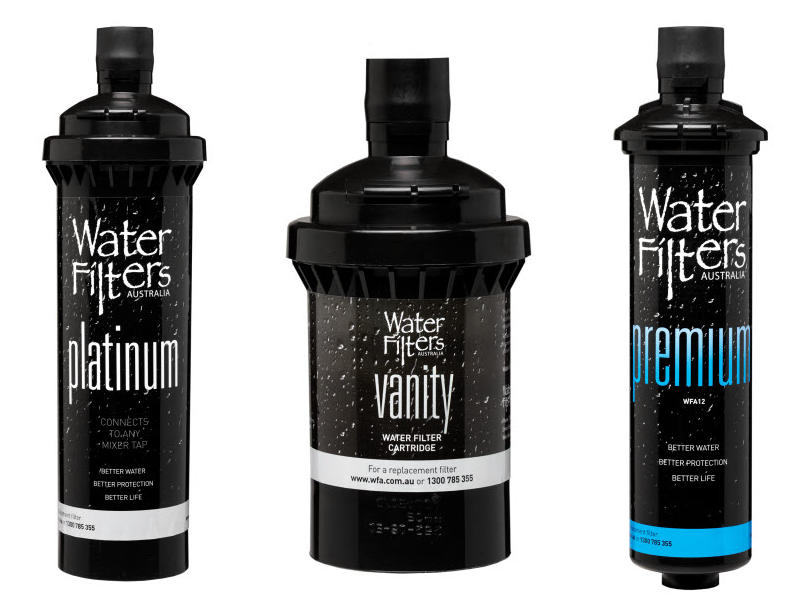
Replacement Filter Cartridges
From $69.76- WFA & Everpure cartridges
- Omnifilter cartridges
- Rainwater cartridges
- Fridge cartridges
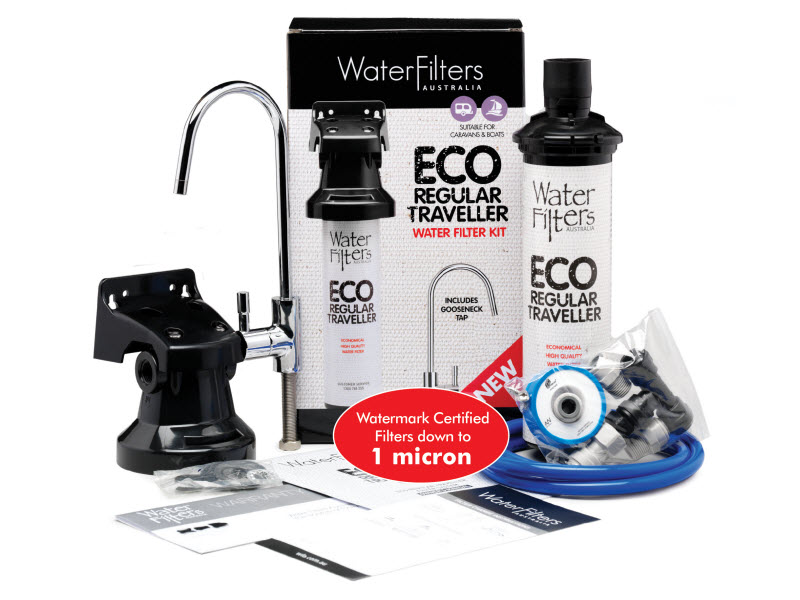
Water Filters for Your RV
From $163.89- Easy installation
- Choice of three systems
- Significantly cheaper than bottled water
- Durable & long lasting
- Space saving
Counter Top System & Filter Taps
From $71- Ideal solution for people on the move
- No plumbing required
- Chrome plated
- Lever operation
- Suitable for WFA Filter Systems
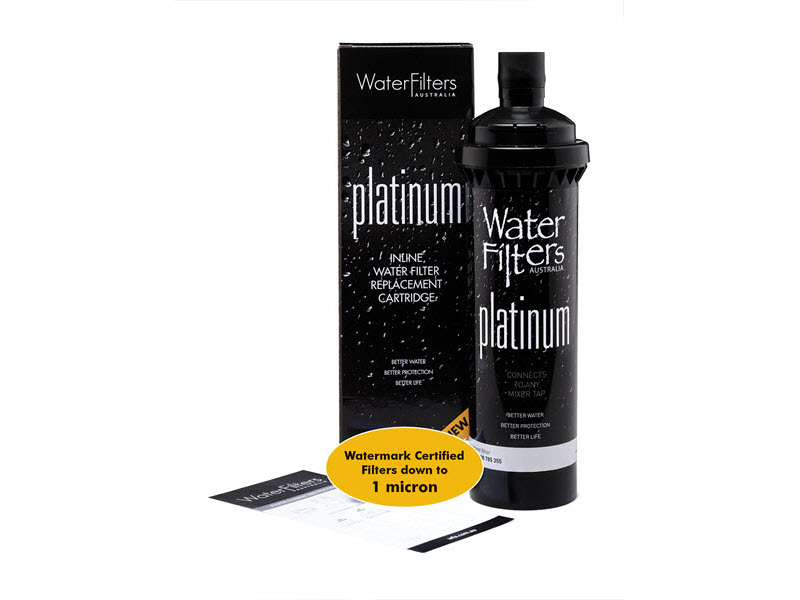
WFA Replacement Cartridges
From $69.76 - Inhibits lime scale build up in water using appliances
- Environmentally friendly
- Removes particles 75 times smaller than the diameter of a hair
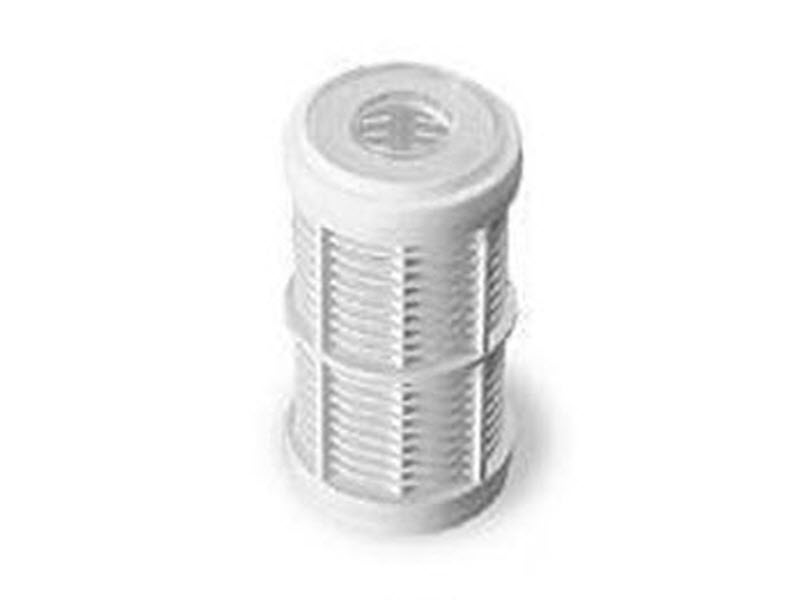
Rain Water Filters
From $37.01 - Ideal screen filter for sediment particles in excess of 80 microns.
- Typically used for filtration before or after a rainwater tank pump
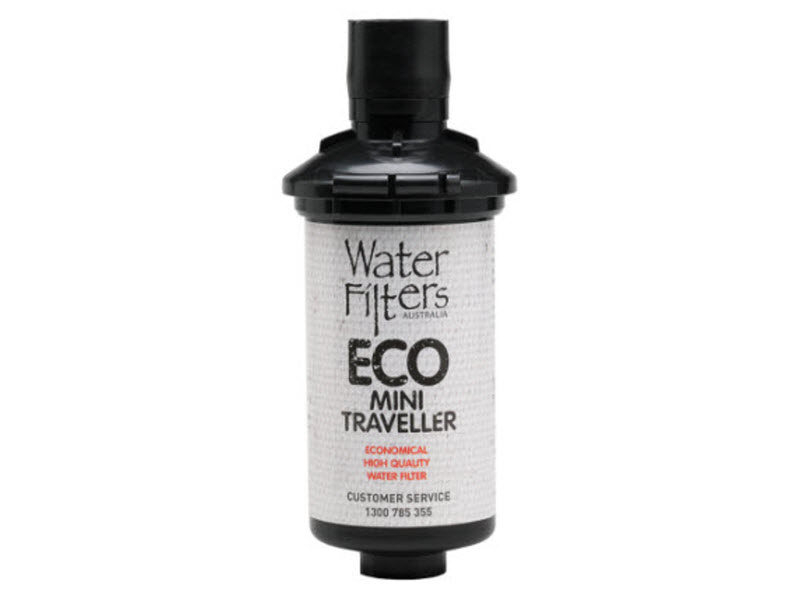
RV & Marine Cartridges
From $69.76- Compact size
- Quick change cartridge – DIY
- Compatible with all Everpure ADC filter installations
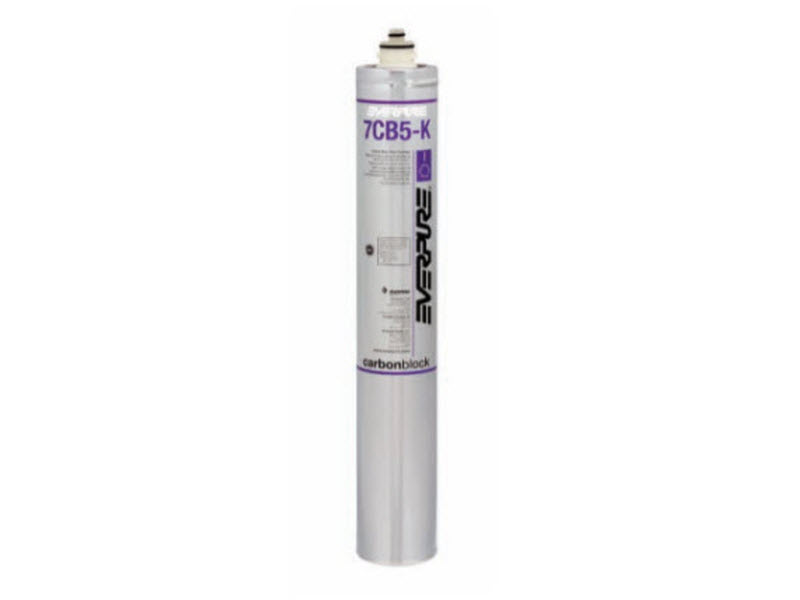
Everpure
From $120.45OUT OF STOCK
- The Everpure 7CB5-K cartridge filters out particles between 1 and 5 microns in size. By way of comparison, the diameter of human hair is 75 microns.
- Contaminants reduced/removed include sediment, chlorine, bad tastes and odours.
- The filtration process also inhibits limescale build up in water using appliances.

Omnifilter
From $36.93- The 1100R is the half micron ‘quick change’ replacement cartridge and is recommended for use with the Omnifilter CBF2 water filter system.
- Removes/reduces the following contaminants and substances; cysts such as giardia and cryptosporidium, chlorine, bad tastes and odours.
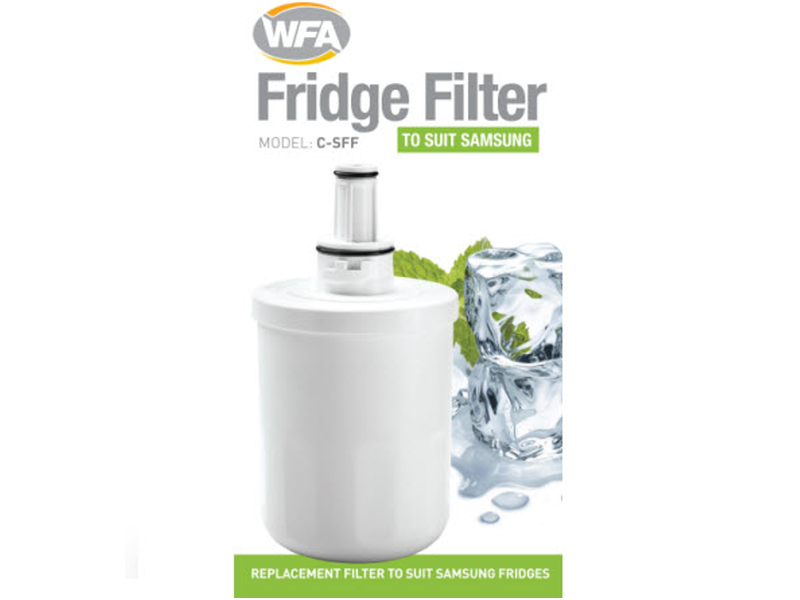
Fridge Filter Cartridges
From $82.48- Contaminants removed include chlorine, bad tastes and odours with some sediment removal/reduction.
- The cartridge inlet and outlet include ¼” ‘push fit’ connection fittings.
- Environmentally friendly, reducing plastic bottle waste.
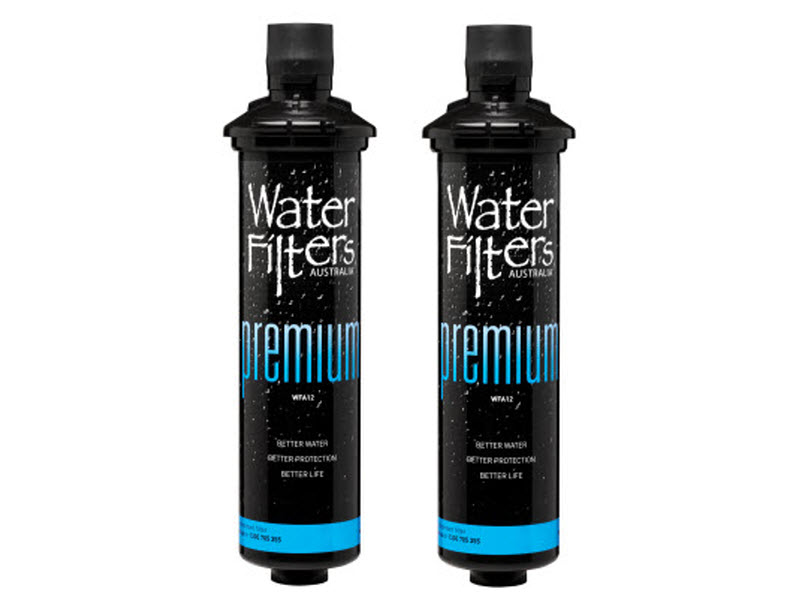
Specials
From $66.97- A 2 year supply*. Receive a reminder notification to change to your second cartridge.
- Larger quantities purchased receive a larger discount.
News & Articles
The Benefits of Filtered Water for Healthy Ageing
Our hydration needs don’t disappear with age, but the body’s ability to recognise and respond to thirst can change significantly. While we had those helpful reminders from people who cared for us when we were younger, we may not have the same reminders as seniors. Yet staying hydrated is so important for healthy ageing.
Is Filtered Water a Better Choice during Pregnancy?
During pregnancy, staying hydrated is more important than ever, but does the quality of your drinking water matter too? Discover how filtered water can help reduce unwanted contaminants, support healthy hydration during pregnancy, and provide quality drinking water for you and your growing family.
Water Filter vs Water Purifier: What’s the Difference and Which Do You Need?
Two products can sound almost identical while doing very different jobs. For example, the terms water filter and water purifier are often used interchangeably, but they actually don’t mean the same thing. And this can cause some confusion for consumers trying to make the best possible choice for their home, office or caravan.