

Understanding Water Filter Micron Ratings: What Level of Filtration Do You Need?
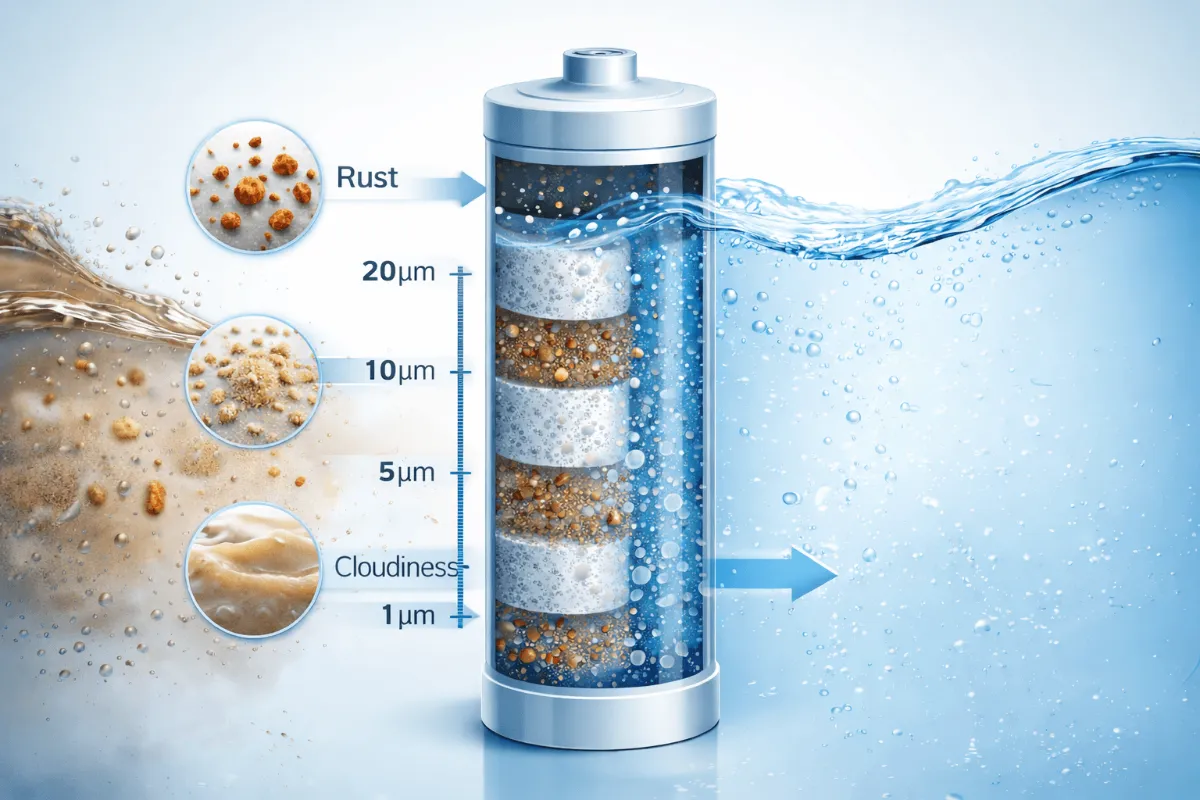
You can’t see them, but what slips through your filter tells you everything about how effective it really is. The truth is, not all water filters are created equal, and micron ratings are one of the most important features. Knowing and understanding what you need helps in choosing the right filter for your water supply needs and lifestyle.
At Water Filters Australia, we’ve been servicing the nation with high-quality, long-lasting, fully certified water filter products since 1999. Our inline filtration systems rely on tried and tested filters with appropriate micron ratings for local water conditions.
What is a micron rating, and why does it matter?
When we measure most things, it’s not usually in the millionths of anything. In water filtration, that’s where we’re at. A micron is a unit of measurement that is equal to one micrometre, or one millionth of a metre. For some perspective, a single human hair is about 70 microns wide. But considering that some of the most problematic things in drinking water are microscopic, it makes sense that filtration operates at such tiny fractions.
So what does a micron rating actually tell you? Simply put, it’s about how small the particles are that a filter can catch. A 1-micron filter, for example, will stop anything larger than one micron, which includes things like rust, dirt and sediment, and in some cases certain parasites.
Finer doesn’t always mean better. A lower micron number gives tighter filtration, which means water moves through the filter more slowly. That can reduce pressure if the filter isn’t designed well. WFA filters are engineered to balance effective filtration with strong flow, which is why we use a micron rating that captures what matters without compromising performance.
Types of contaminants and what different microns can typically remove
Different micron ratings are suited to different types of water concerns. Here’s a quick breakdown of what each level targets.
Micron Rating |
What It Removes |
Typical Use |
| 20 microns+ | Sand, dirt, rust, visible particles | Basic pre-filtration or for visibly dirty water |
| 5–10 microns | Finer debris, mould spores, some bacteria | General household filtration |
| 1 micron or less | Giardia, Cryptosporidium cysts, very fine particles | Advanced filtration where higher protection is needed |
| <1 micron | Some filters may reduce even smaller particles or cysts, but viruses and chemicals often require different media (like activated carbon, which we use in WFA filters) | Often paired with additional filtration stages |
Nominal vs absolute micron ratings - what’s the difference?
When you see a micron rating on a water filter, it’s usually either nominal or absolute, and this might seem like a small detail, but it matters. Here’s what they mean:
- A nominal rating is for filters designed to capture most particles of a given size. “Most” is generally around 85%, though this depends on the material and flow conditions. Nominal ratings are a more general approach and are well-suited to standard residential use.
- An absolute rating indicates the filter has been tested to block 99.9% of particles at that size. These filters are frequently used in medical and industrial settings where a higher level of precision is required. At WFA, we do have options available with an absolute micron rating, offering this standard of protection in systems designed for everyday residential use.
Why 1 micron is often just right for Aussie homes
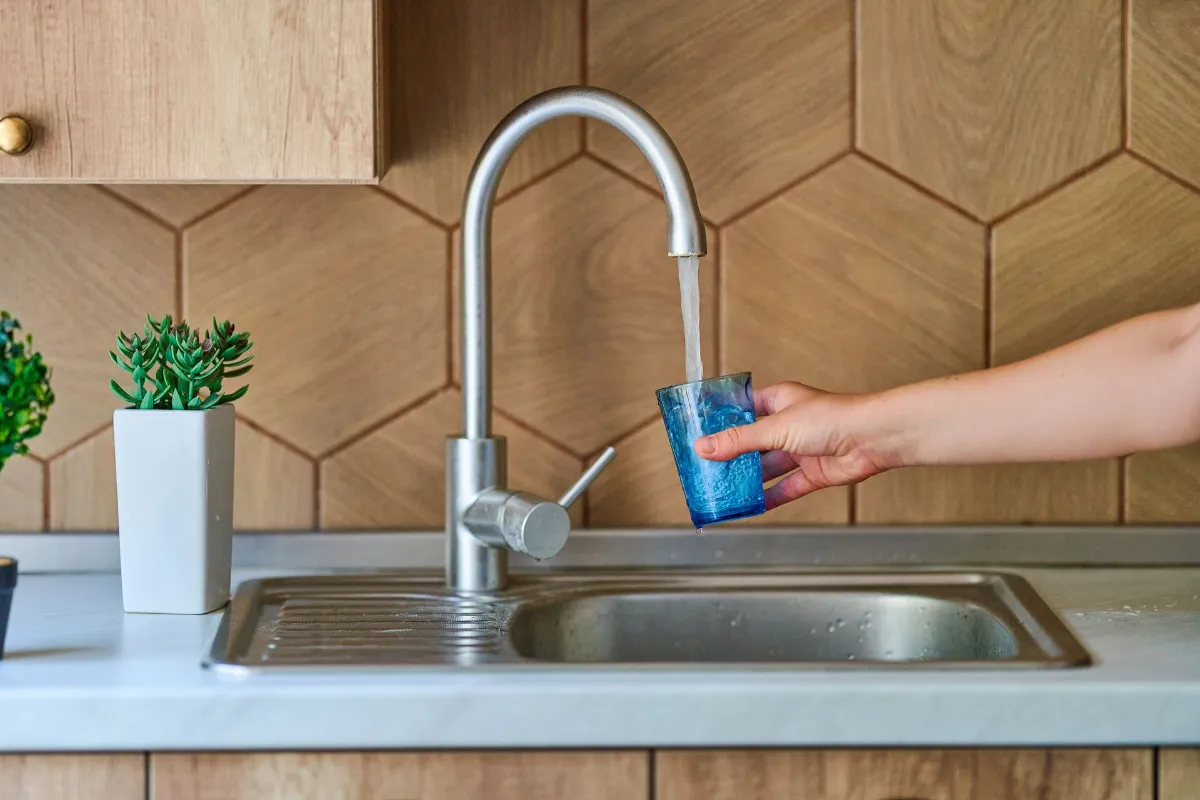
For most families in cities and towns across Australia, a 1 micron water filter provides a strong level of protection without affecting the flow of water preferred for daily use. It’s fine enough to catch sediment, rust and some protozoa cysts, while still allowing good pressure. That balance is particularly important when enjoying the convenience of an inline water filter installed in your kitchen or bathroom, both busy areas in modern homes.
If your water supply isn’t visibly dirty or unusually high in sediment, choosing a filter finer than 1 micron can actually slow things down significantly for little benefit. That’s why our inline filter systems are built around that benchmark. It’s a practical threshold for pure drinking water as it removes the nasties while remaining extremely efficient.
And there’s a lot more to filtration than just micron ratings. The way a filter is built, what it’s made from, and the type of media inside all influence how well it performs. For example, filters that contain activated carbon, like those at WFA, can reduce chemical compounds such as chlorine, which micron size alone doesn’t address.
Tiny measurements, big impact
Micron ratings might sound like complex scientific jargon, but understanding them gives context to what water filters are really doing behind the scenes. Now you know how to interpret them, you’re better equipped to read labels, compare products and appreciate the process behind every refreshing glass of filtered water.
At Water Filters Australia, our inline water filters are designed for Australian homes, with clear specs you can review for reassurance you’ll have superior filtration at your fingertips. They are manufactured in the United States to the highest quality standards and are available online from our national distribution centre. We only supply independently Watermark Certified systems, and we stock a complete inventory of certified replacement cartridges with 100% Australian-based customer support.
Shop online today or contact our team for personalised advice on the best system for your home or caravan.
Buy Water Filter Systems
& Water Filters Online

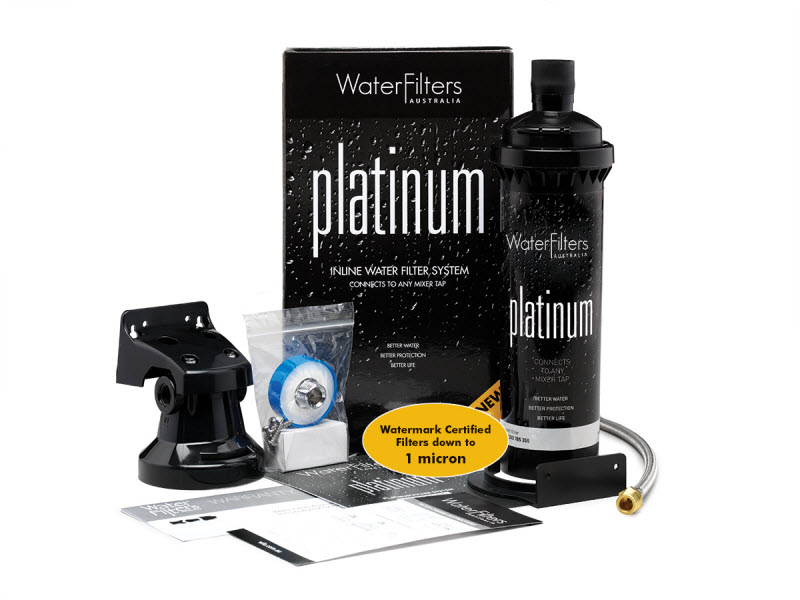
Inline Water Filter System
$299 - No separate tap or drilling needed
- Connects inline to cold-water hose
- No plumber needed
- 4x faster than traditional systems
- Lasts a family of 4 for 1 year
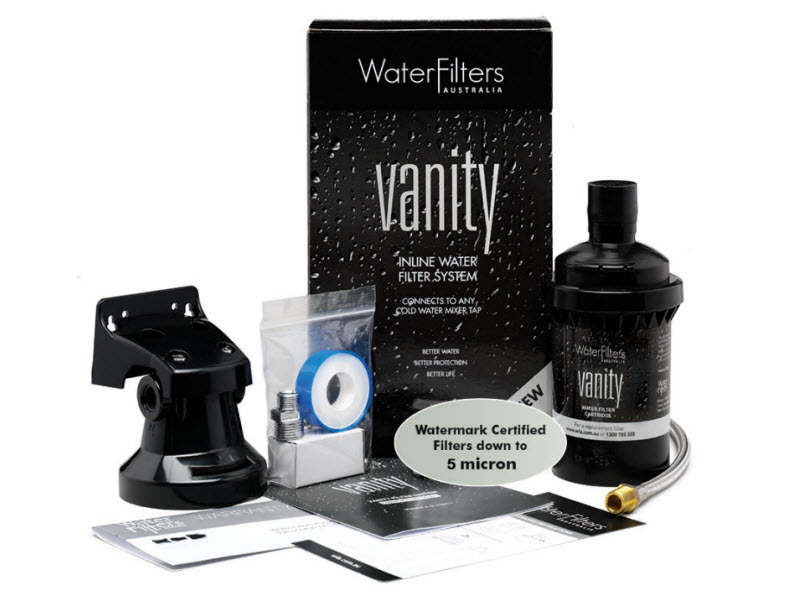
Bathroom Vanity Filter System
$199 - Compact for en suite bathrooms
- Space required 335mm x 225mm
- Mounts vertically or horizontally
- Works with your existing tap
- Protects tap from limescale build-up
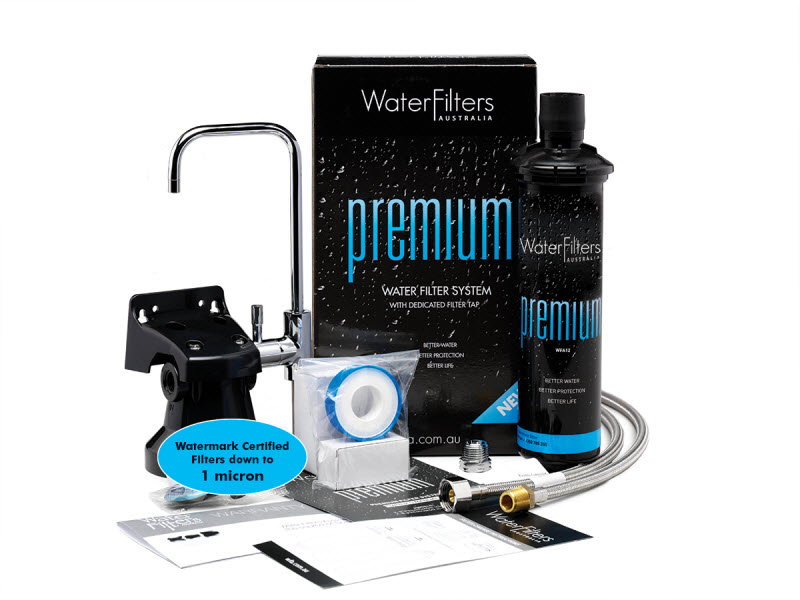
Dedicated Filter Tap System
$329 - Ideal if you like a separate filter tap
- Mount filter vertically or horizontally
- Filter lasts 12 months
- Same great taste
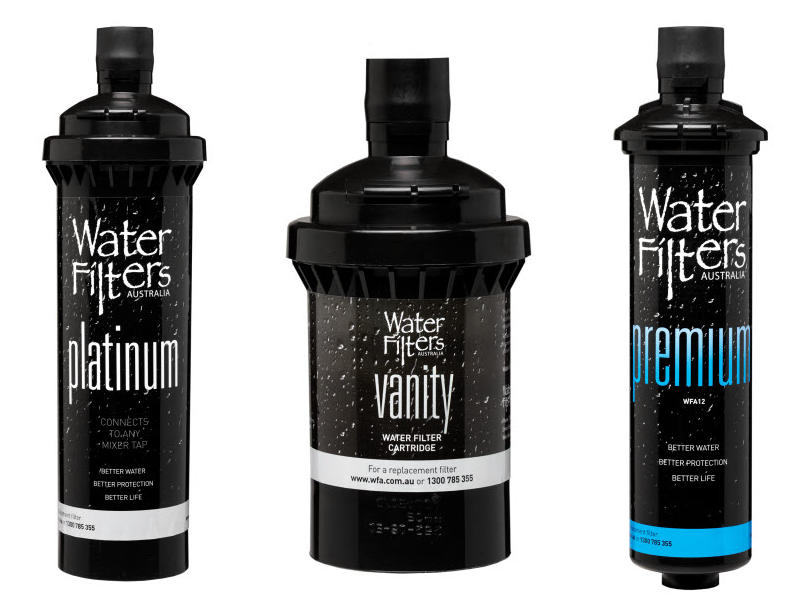
Replacement Filter Cartridges
From $60.66- WFA & Everpure cartridges
- Omnifilter cartridges
- Rainwater cartridges
- Fridge cartridges
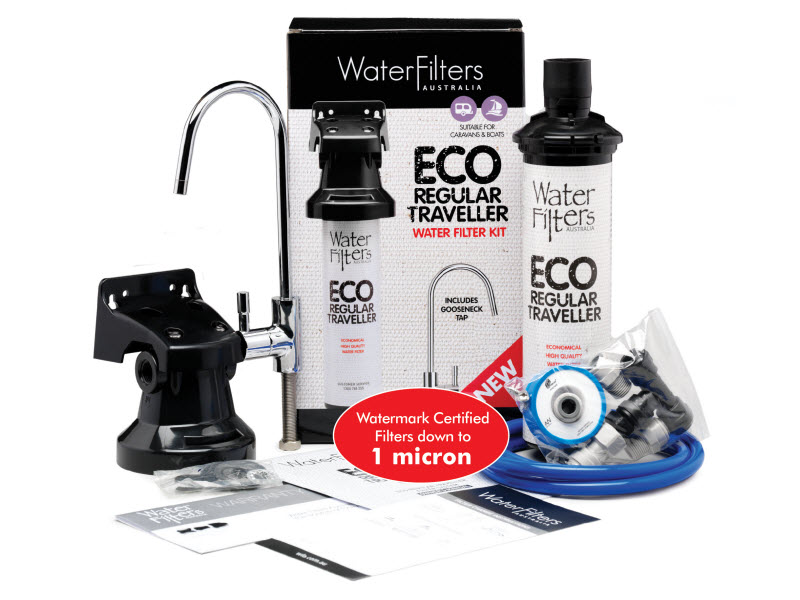
Water Filters for Your RV
From $149- Easy installation
- Choice of three systems
- Significantly cheaper than bottled water
- Durable & long lasting
- Space saving
Counter Top System & Filter Taps
From $61.74- Ideal solution for people on the move
- No plumbing required
- Chrome plated
- Lever operation
- Suitable for WFA Filter Systems
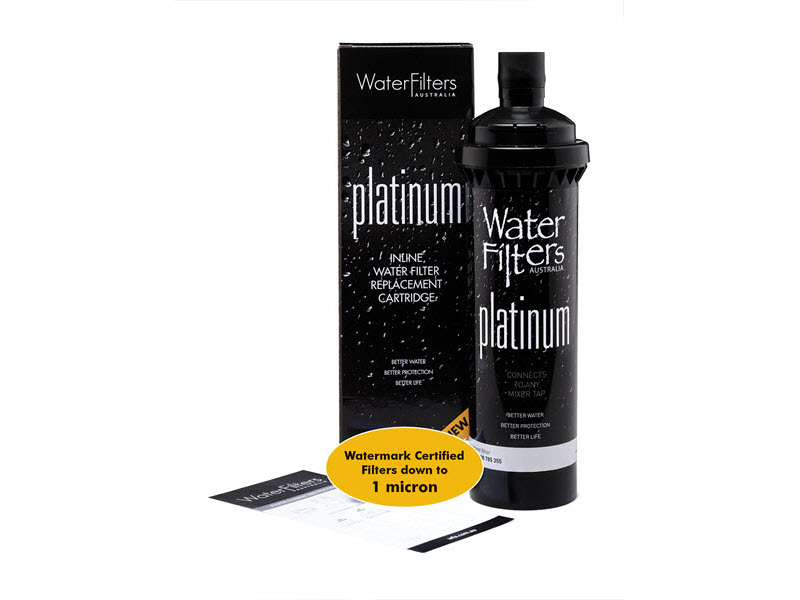
WFA Replacement Cartridges
From $60.66 - Inhibits lime scale build up in water using appliances
- Environmentally friendly
- Removes particles 75 times smaller than the diameter of a hair
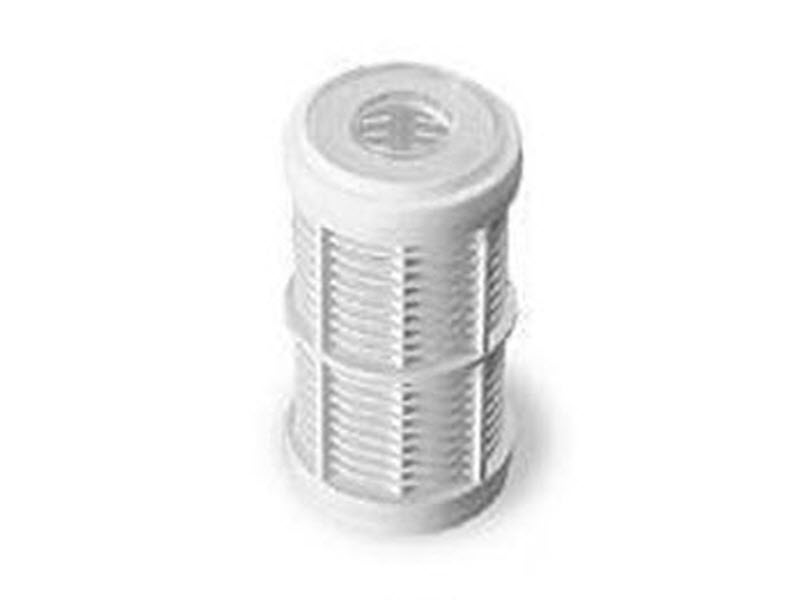
Rain Water Filters
From $35.24 - Ideal screen filter for sediment particles in excess of 80 microns.
- Typically used for filtration before or after a rainwater tank pump
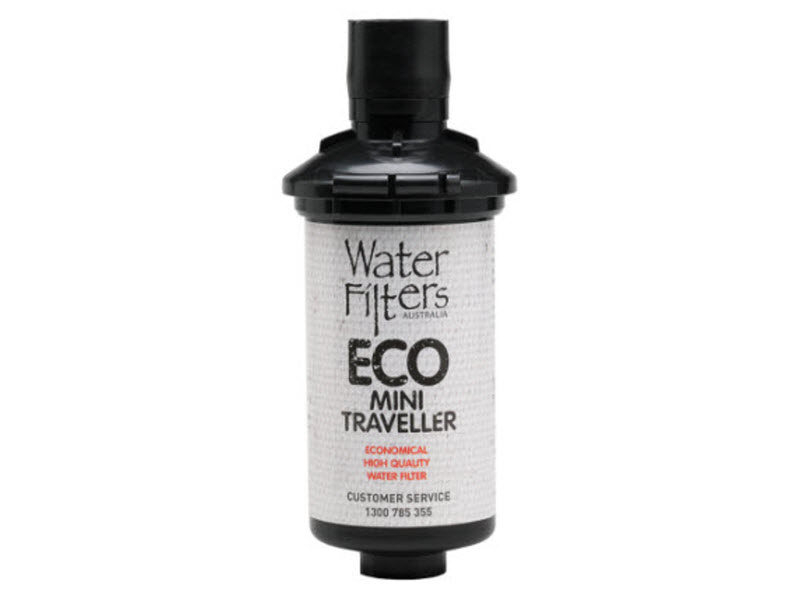
RV & Marine Cartridges
From $60.66- Compact size
- Quick change cartridge – DIY
- Compatible with all Everpure ADC filter installations
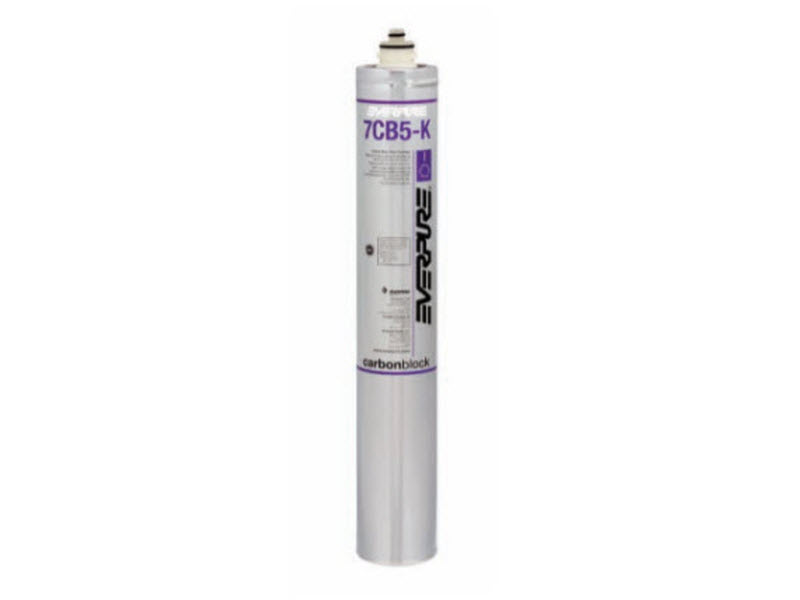
Everpure
From $104.74- The Everpure 7CB5-K cartridge filters out particles between 1 and 5 microns in size. By way of comparison, the diameter of human hair is 75 microns.
- Contaminants reduced/removed include sediment, chlorine, bad tastes and odours.
- The filtration process also inhibits limescale build up in water using appliances.

Omnifilter
From $36.93- The 1100R is the half micron ‘quick change’ replacement cartridge and is recommended for use with the Omnifilter CBF2 water filter system.
- Removes/reduces the following contaminants and substances; cysts such as giardia and cryptosporidium, chlorine, bad tastes and odours.
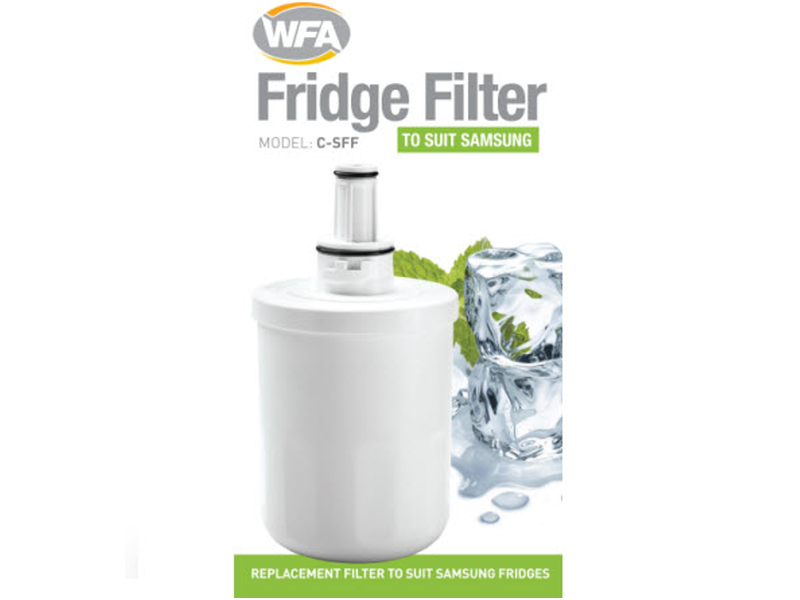
Fridge Filter Cartridges
From $71.72- Contaminants removed include chlorine, bad tastes and odours with some sediment removal/reduction.
- The cartridge inlet and outlet include ¼” ‘push fit’ connection fittings.
- Environmentally friendly, reducing plastic bottle waste.
Specials
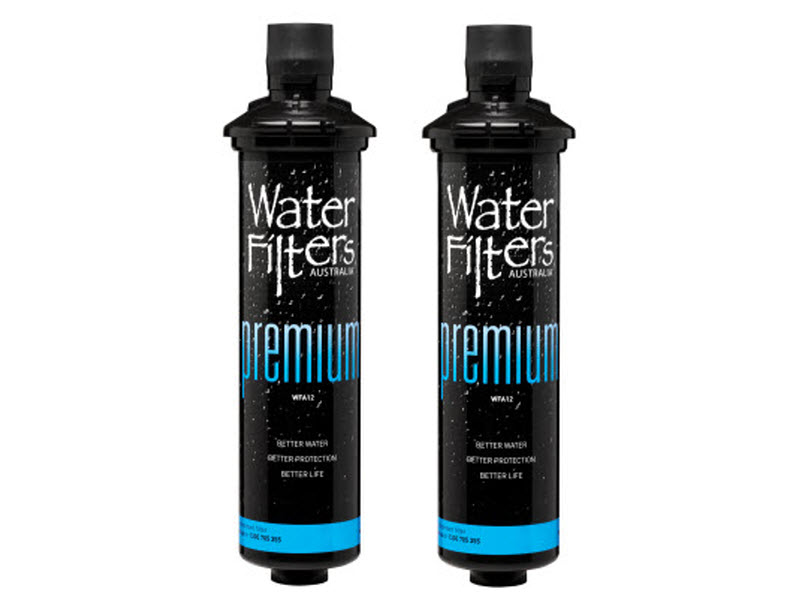
From $66.97- A 2 year supply*. Receive a reminder notification to change to your second cartridge.
- Larger quantities purchased receive a larger discount.
News & Articles
Understanding Water Filter Micron Ratings: What Level of Filtration Do You Need?
Inline Filters vs. Countertop Filters: What’s Best for Your Home?
Sometimes the best upgrades are the ones you stop noticing, because they just work. If you’re choosing between an inline filter and a countertop system, the “right” option comes down to your kitchen, your routine, and how you like to drink water. Here’s a simple guide to help you pick the best fit for your home.
Hydrating smoothie recipes featuring filtered water
Sometimes the simplest pleasures also deliver a generous health boost. Smoothies are among them. While you can enjoy one any time of year, they are especially good in the warmer months when your body craves something light, hydrating and full of nutrients. Even better? Make them with filtered water to keep the flavour clean and the ingredients balanced.