

What happens to your body during water intoxication?
We all know how important it is to keep our bodies hydrated. Water makes up 50-80% of our body weight. Every cell, tissue and organ in our body relies on water to function. A recent blog discussed the importance of drinking enough water and even some great apps to track this. However, there is such a thing as drinking too much water…
Experts call this condition water intoxication.
So how much is too much?
Most experts claim that the ideal amount of filtered water we should drink every day is eight glasses. Of course, the amount of water required differs between individuals.
It depends on such things as age, medical conditions and occupation. Athletes and those doing manual labour need extra water to maintain proper hydration.
You may already know the feeling of dehydration… dry mouth, headaches, foggy head and feeling dizzy. These are good signs that you need to pick up that drink bottle.
Our two kidneys are the organs that extract fluids and waste products from our body. On average, our kidneys can filter and process 200 litres of fluid every 24 hours. Drinking more fluid than the kidneys can process may lead to water intoxication.
The signs of water intoxication
Drinking too much water increases the amount of water in the blood. This water can dilute the electrolytes in your blood, especially sodium. When sodium levels drop, fluid shifts from outside to inside the cells, causing them to swell. If this happens in the brain, it can be life threatening.
Here are some signs that you have consumed too much water:
- Headache
- Nausea
- Vomiting
Severe cases can produce symptoms such as:
- Increased blood pressure
- Confusion
- Double vision
- Drowsiness
- Difficulty breathing
- Muscle weakness and cramping
- Inability to identify sensory information

Who is at risk?
Anyone can suffer from water intoxication. However, it is more common amongst some people than others. Those most at risk include endurance athletes, cyclists, hikers, triathletes, rugby players and military personnel.
Water fasting is a type of diet that restricts everything you consume except water. It has become more popular in recent years as a quick way to lose weight.
Even though you are drinking only water, it can actually cause dehydration, not water intoxication. In severe cases it causes a condition called orthostatic hypotension.
The best way to track if you are drinking the right amount of water every day is through an app on your phone. Our recent blog reviewed the best four apps to track your water consumption.
Installing a home water filter system ensures you always have healthy, good quality water on tap for all the family.
Read more on the health benefits of filtered water
Buy Water Filter Systems
& Water Filters Online

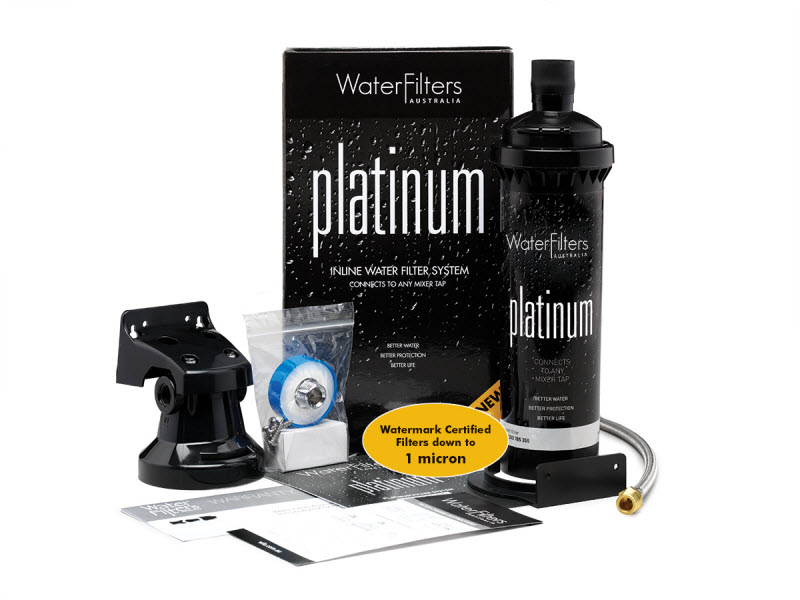
Inline Water Filter System
$346.84 - No separate tap or drilling needed
- Connects inline to cold-water hose
- No plumber needed
- 4x faster than traditional systems
- Lasts a family of 4 for 1 year
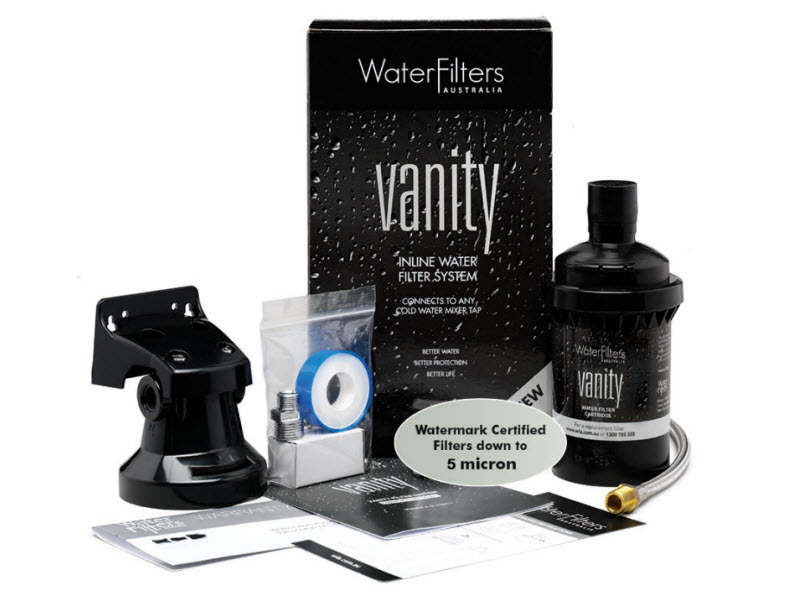
Bathroom Vanity Filter System
$240.90 - Compact for en suite bathrooms
- Space required 335mm x 225mm
- Mounts vertically or horizontally
- Works with your existing tap
- Protects tap from limescale build-up
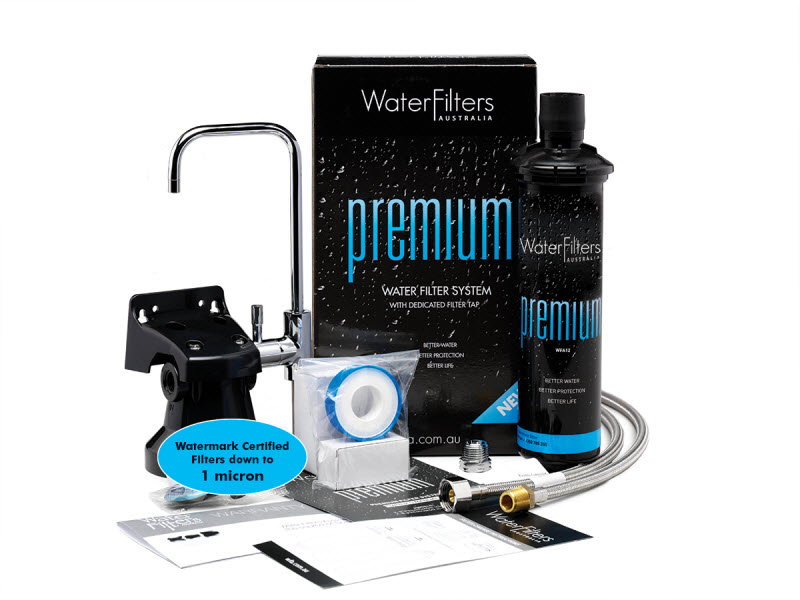
Dedicated Filter Tap System
$394.8 - Ideal if you like a separate filter tap
- Mount filter vertically or horizontally
- Filter lasts 12 months
- Same great taste
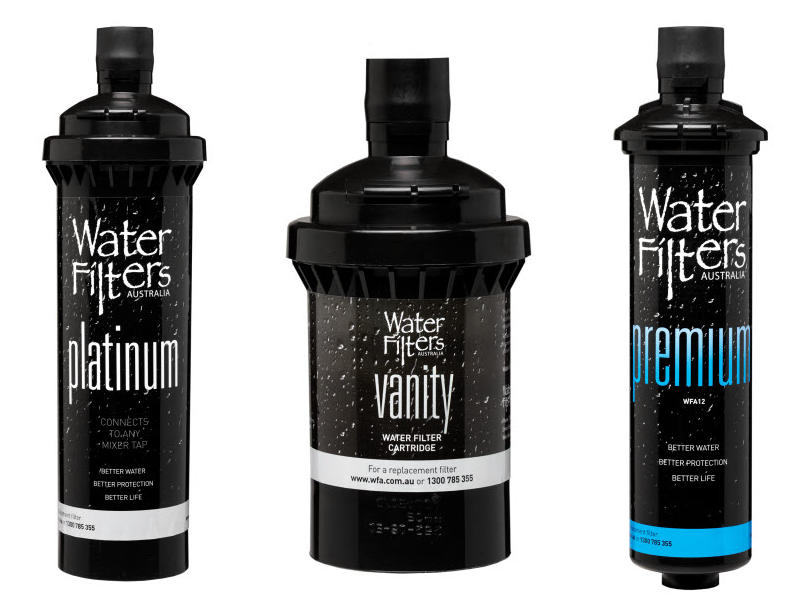
Replacement Filter Cartridges
From $69.76- WFA & Everpure cartridges
- Omnifilter cartridges
- Rainwater cartridges
- Fridge cartridges
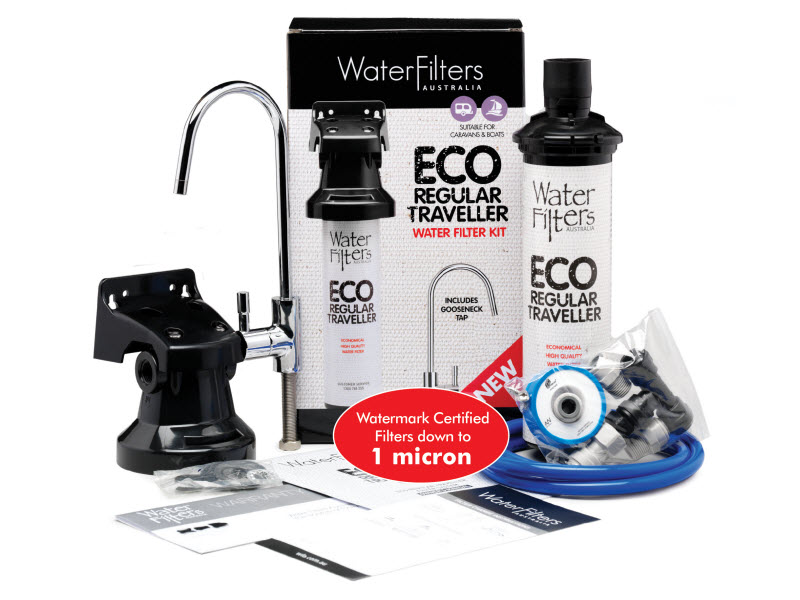
Water Filters for Your RV
From $163.89- Easy installation
- Choice of three systems
- Significantly cheaper than bottled water
- Durable & long lasting
- Space saving
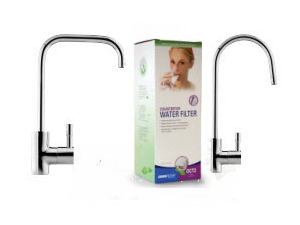
Counter Top System & Filter Taps
From $71- Ideal solution for people on the move
- No plumbing required
- Chrome plated
- Lever operation
- Suitable for WFA Filter Systems
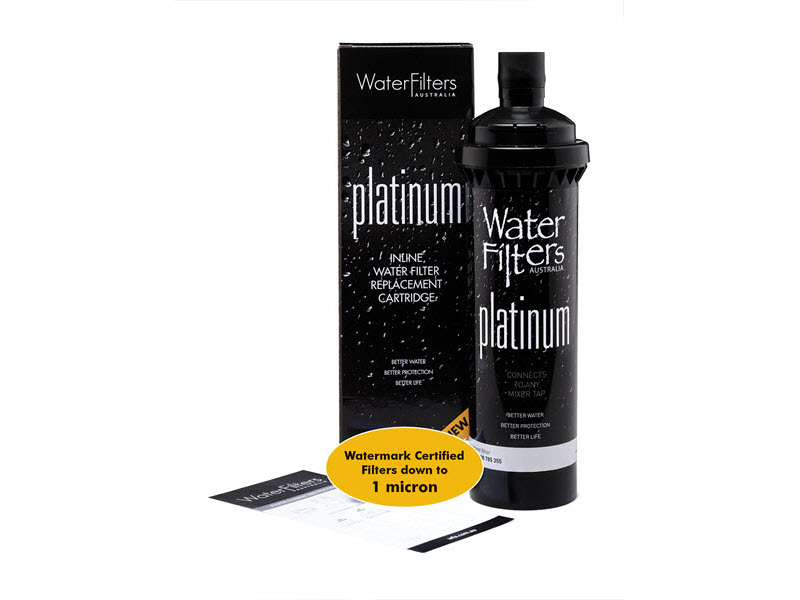
WFA Replacement Cartridges
From $69.76 - Inhibits lime scale build up in water using appliances
- Environmentally friendly
- Removes particles 75 times smaller than the diameter of a hair
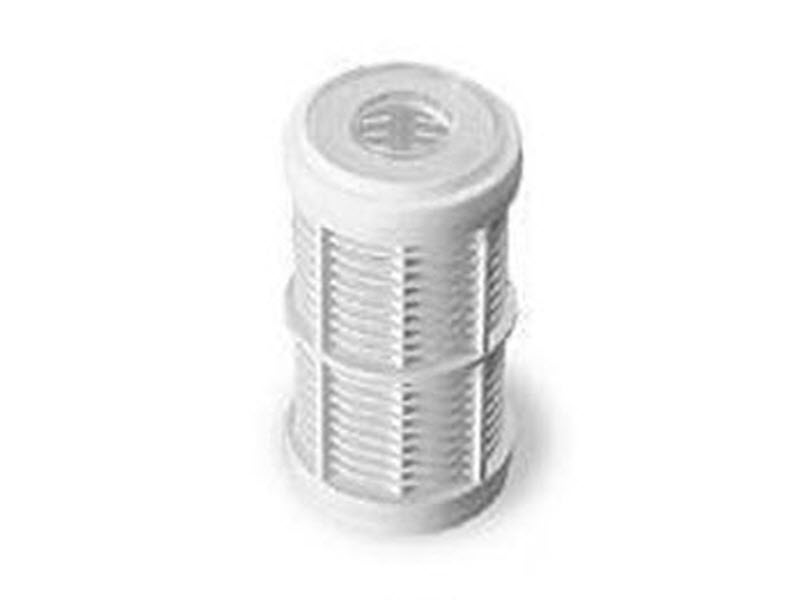
Rain Water Filters
From $37.01 - Ideal screen filter for sediment particles in excess of 80 microns.
- Typically used for filtration before or after a rainwater tank pump
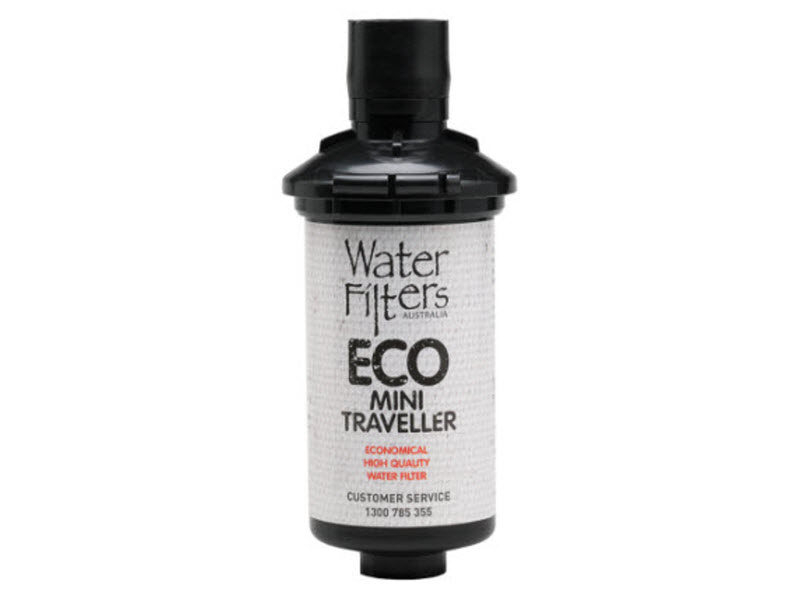
RV & Marine Cartridges
From $69.76- Compact size
- Quick change cartridge – DIY
- Compatible with all Everpure ADC filter installations
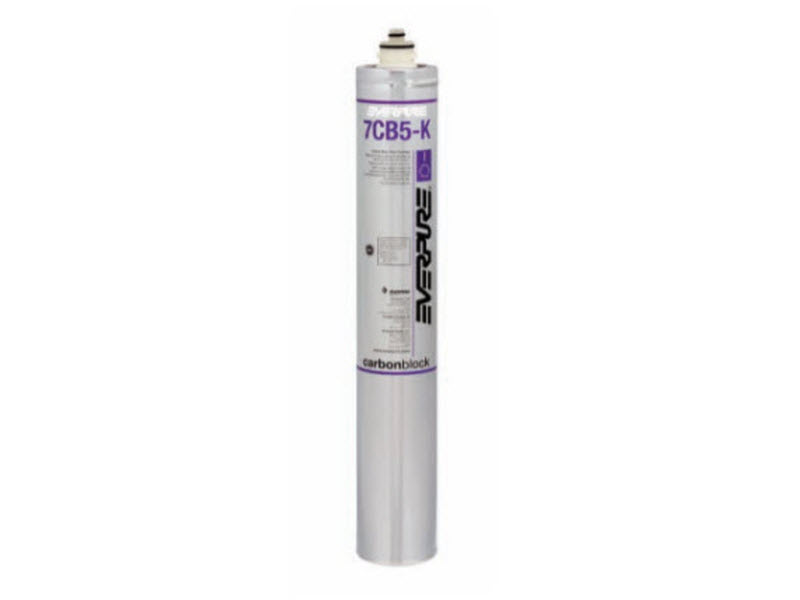
Everpure
From $120.45OUT OF STOCK
- The Everpure 7CB5-K cartridge filters out particles between 1 and 5 microns in size. By way of comparison, the diameter of human hair is 75 microns.
- Contaminants reduced/removed include sediment, chlorine, bad tastes and odours.
- The filtration process also inhibits limescale build up in water using appliances.

Omnifilter
From $36.93- The 1100R is the half micron ‘quick change’ replacement cartridge and is recommended for use with the Omnifilter CBF2 water filter system.
- Removes/reduces the following contaminants and substances; cysts such as giardia and cryptosporidium, chlorine, bad tastes and odours.
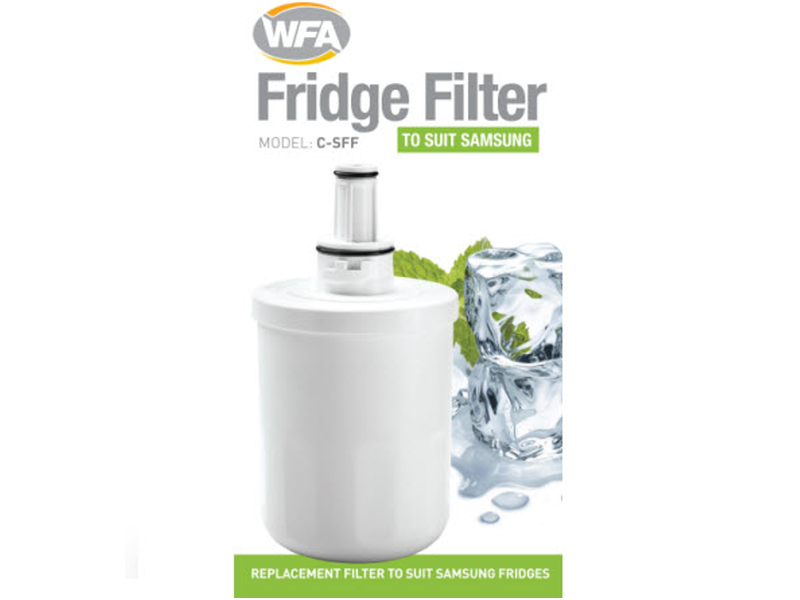
Fridge Filter Cartridges
From $82.48- Contaminants removed include chlorine, bad tastes and odours with some sediment removal/reduction.
- The cartridge inlet and outlet include ¼” ‘push fit’ connection fittings.
- Environmentally friendly, reducing plastic bottle waste.
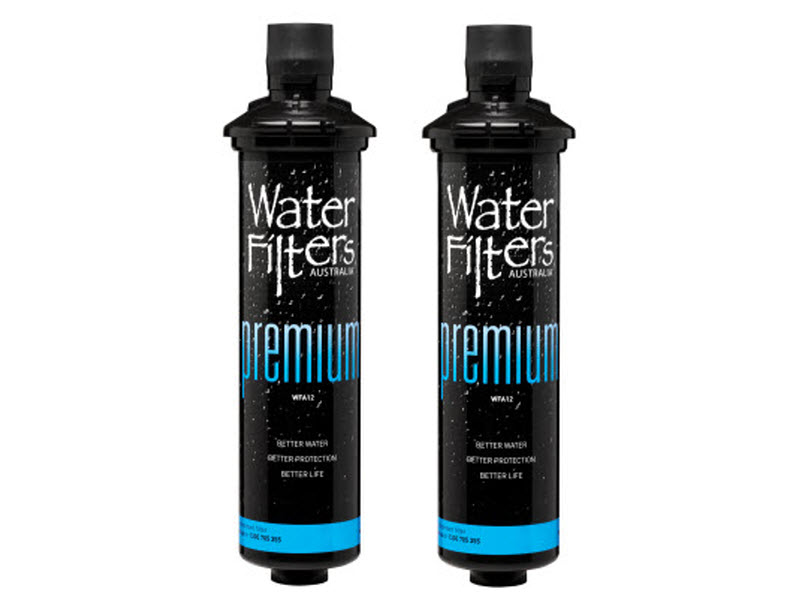
Specials
From $66.97- A 2 year supply*. Receive a reminder notification to change to your second cartridge.
- Larger quantities purchased receive a larger discount.
News & Articles
The Benefits of Filtered Water for Healthy Ageing
Our hydration needs don’t disappear with age, but the body’s ability to recognise and respond to thirst can change significantly. While we had those helpful reminders from people who cared for us when we were younger, we may not have the same reminders as seniors. Yet staying hydrated is so important for healthy ageing.
Is Filtered Water a Better Choice during Pregnancy?
During pregnancy, staying hydrated is more important than ever, but does the quality of your drinking water matter too? Discover how filtered water can help reduce unwanted contaminants, support healthy hydration during pregnancy, and provide quality drinking water for you and your growing family.
Water Filter vs Water Purifier: What’s the Difference and Which Do You Need?
Two products can sound almost identical while doing very different jobs. For example, the terms water filter and water purifier are often used interchangeably, but they actually don’t mean the same thing. And this can cause some confusion for consumers trying to make the best possible choice for their home, office or caravan.