

What’s the Difference Between Boiled and Filtered Water?
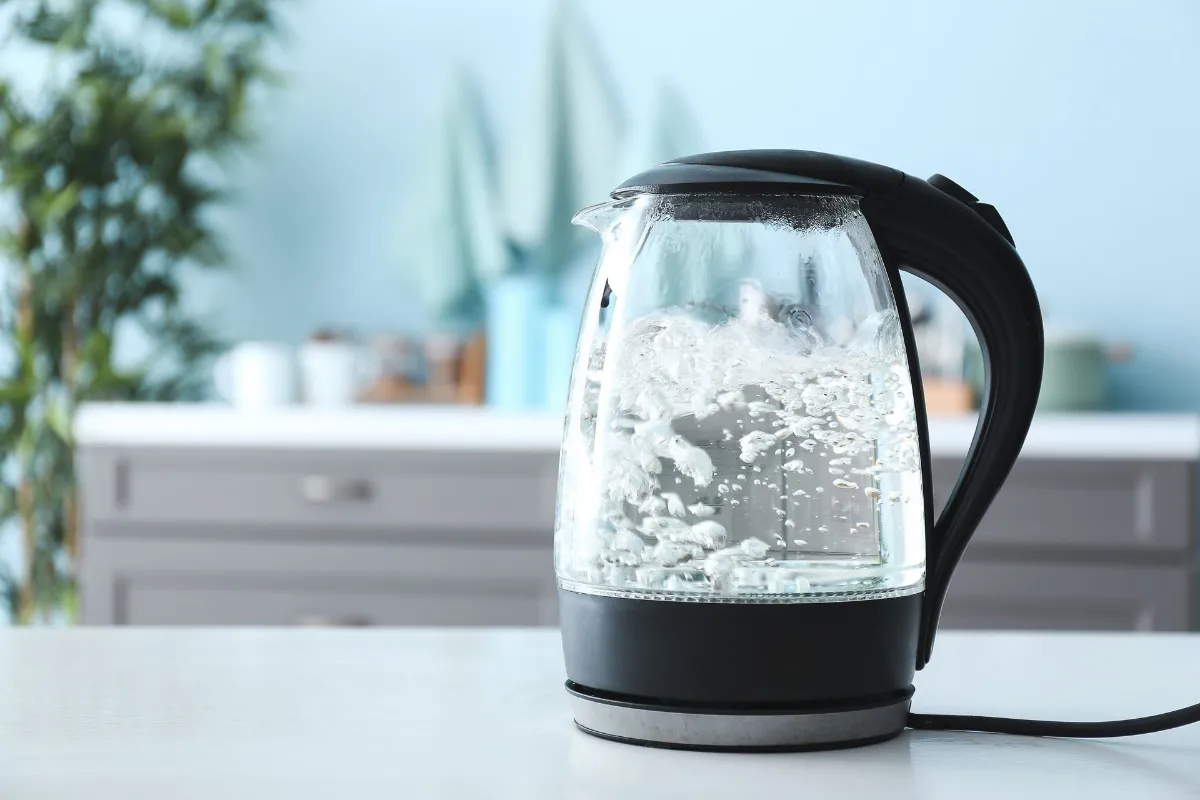
Boiling is one of the oldest methods of making water safe, and for good reason. It quickly kills most bacteria, viruses and parasites that can be present in a supply. But boiling isn’t the only way people protect their water, and it certainly isn’t the same as filtering. The difference between the two is often misunderstood, and it’s bigger than it first appears.
At Water Filters Australia, we’ve spent decades helping households enjoy cleaner, better-tasting water straight from the tap. Our inline filtration systems are built for Australian conditions, tested to high standards, and trusted by families nationwide. If you’ve always thought boiling and filtering water were interchangeable, here’s what you need to know.
What boiling water actually does
At boiling point, or 100 degrees Celsius, most bacteria, viruses and parasites that make people sick are destroyed within minutes. A rolling boil for just a minute or two is usually enough to wipe out almost all living microorganisms in the water. Boiling may sound old-fashioned, but it’s still recommended in emergencies today when water supplies are compromised.
But while heat is powerful against germs, it actually does nothing about the chemical side of things. Chlorine, heavy metals such as lead, and other dissolved contaminants remain behind even after the water cools. If they were there before you boiled it, they’ll be there after too. In fact, boiling can sometimes concentrate these substances slightly, as the water volume decreases as it evaporates.
Boiling water also influences the taste. When water is heated, dissolved gases like oxygen escape, and the minerals become denser as the liquid reduces. The result is water that can taste flat or even slightly metallic. It’s still safe to drink, but many people notice the flavour difference straight away.
What filtering actually does
Filtering water is a completely different process. A filter screens out what doesn’t belong by physically trapping particles as the water passes through. Sediment, rust, dirt and even microplastics can be captured before they ever reach your glass.
Most modern filters use activated carbon, due to its natural ability to adsorb, or hold onto, certain chemicals. This is particularly important for reducing chlorine, which is widely used in water treatment to kill or inactivate harmful microorganisms, but can negatively impact the taste and smell. Filtering with activated carbon results in water that’s not only cleaner, it’s fresher.
Some advanced cartridges, like those from WFA, take filtration a step further. They use a polyphosphate core that works with calcium and magnesium, the minerals that cause limescale. By coating these minerals, the filter helps stop hard scale from forming inside kettles, coffee machines and plumbing to keep your water fresh and your appliances protected.
Comparing the two methods
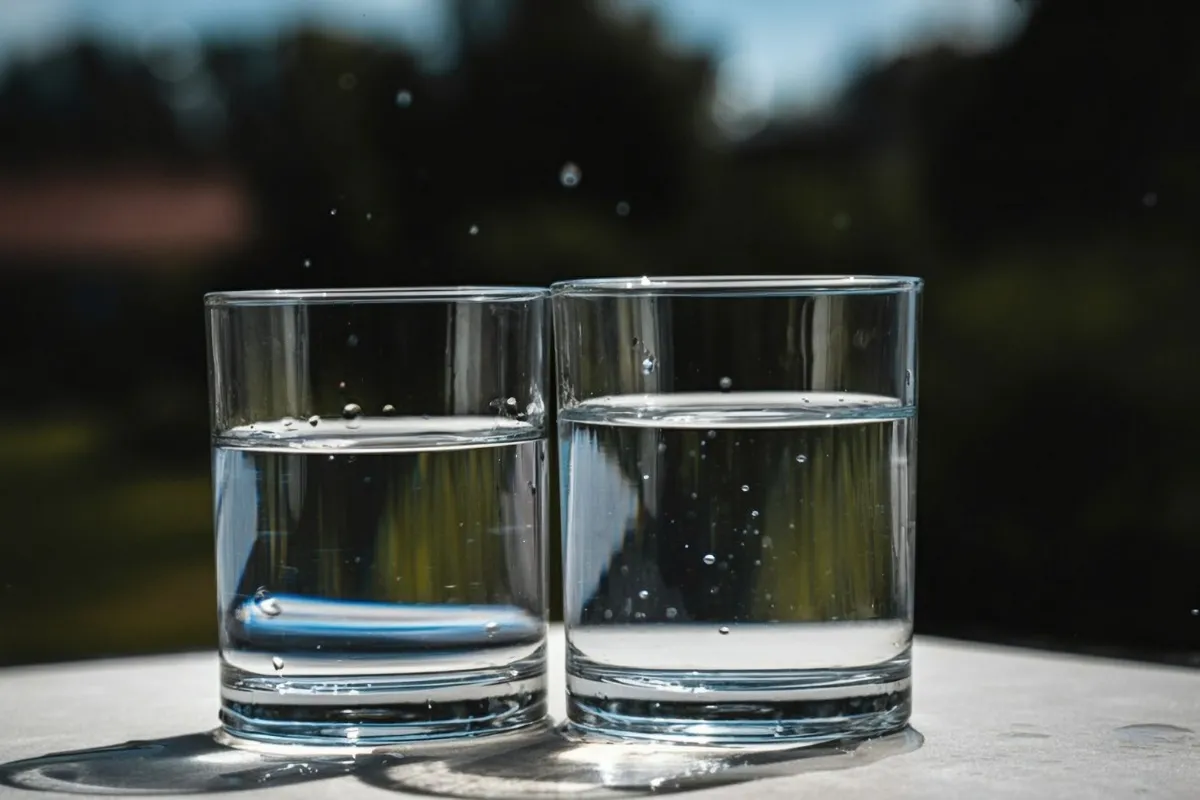
Boiling is a water treatment method that targets living organisms. That’s why it’s an important emergency option when microbial contamination is a risk, such as after floods, bushfires or pipe damage. While it protects biological safety, it does not change the chemical composition or physical properties of the water.
Conversely, filtering does address the chemical and physical issues. A filter removes the dissolved substances and particles that are not affected by temperature. This includes the trace elements, treatment chemicals and fine debris that influence how clean water actually tastes and smells.
There’s also a difference in how long the protection lasts. Boiled water needs to be made in advance, then cooled and stored properly to remain safe. Filtering with an inline water filter works differently, as the water is treated the moment it leaves the tap, so every glass is fresh and ready to drink without the risks of storage.
Is boiling water still a thing?
Long before treatment plants and filter cartridges, bringing water to a rolling boil was the only dependable way to stop waterborne disease. Ancient Sanskrit texts from around 2000 BCE mention boiling foul water before drinking, and Greek medical writings from Hippocrates advised that rainwater should be boiled and strained. And today, it’s still recommended by health authorities at times.
Boiling water doesn’t require any specialised equipment or infrastructure, only heat and time. That accessibility is what has kept it in use even as newer technologies like filtering have emerged.
While water filtering is more convenient and comprehensive in terms of purification, there are still situations where boiling is a practical or necessary choice. Campers and hikers without a portable or RV filter use it when drawing water from rivers or streams. Travellers turn to it in regions where tap water can’t be trusted. At home, it remains a dependable fallback during outages or emergencies when you do not have a home filtering system.
Clean water and a fresh perspective
It’s easy to assume that boiling and filtering amount to the same thing, since both are seen as ways to make water “clean.” The truth is more complex. Each method works in its own way and tackles a different problem, which means the results are not interchangeable. That is why boiling is best for short-term fixes, while filtering has become part of daily life.
At Water Filters Australia, our inline water filters are available online from our Australian distribution centre. They are manufactured in the United States to the highest quality and functionality standards. We only supply independently Watermark Certified systems, and we stock a complete inventory of certified replacement cartridges with 100% Australian-based customer support.
The simplest upgrade you can make to your daily water is to filter it at the source. Shop online today or contact our team for personalised advice on the best system for your home or caravan.
Buy Water Filter Systems
& Water Filters Online

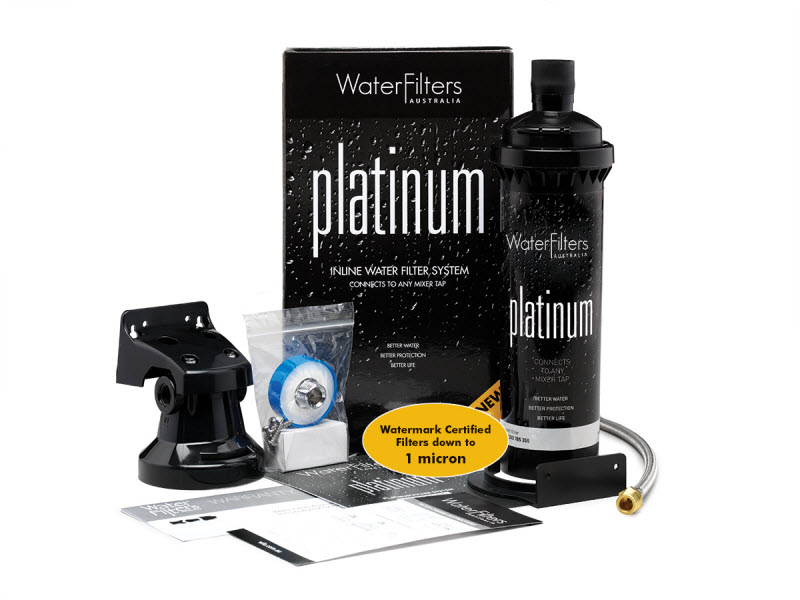
Inline Water Filter System
$346.84 - No separate tap or drilling needed
- Connects inline to cold-water hose
- No plumber needed
- 4x faster than traditional systems
- Lasts a family of 4 for 1 year
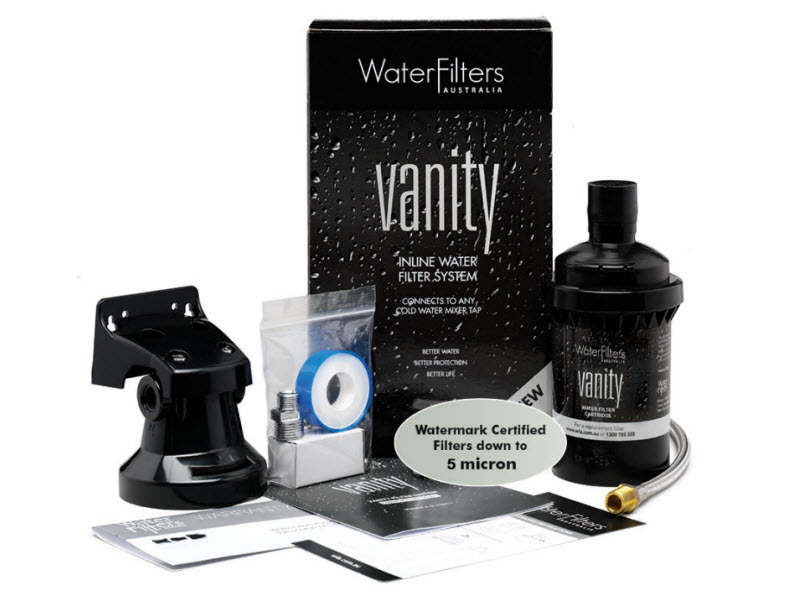
Bathroom Vanity Filter System
$240.90 - Compact for en suite bathrooms
- Space required 335mm x 225mm
- Mounts vertically or horizontally
- Works with your existing tap
- Protects tap from limescale build-up
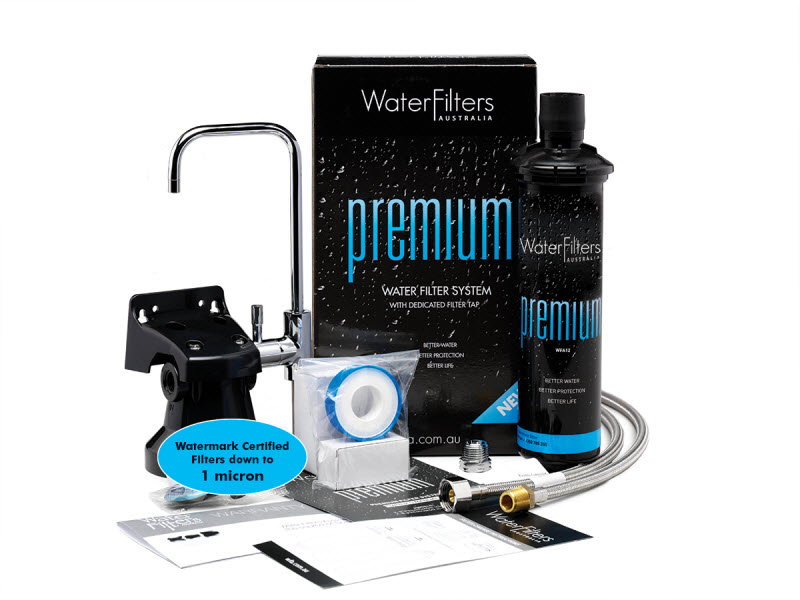
Dedicated Filter Tap System
$394.8 - Ideal if you like a separate filter tap
- Mount filter vertically or horizontally
- Filter lasts 12 months
- Same great taste
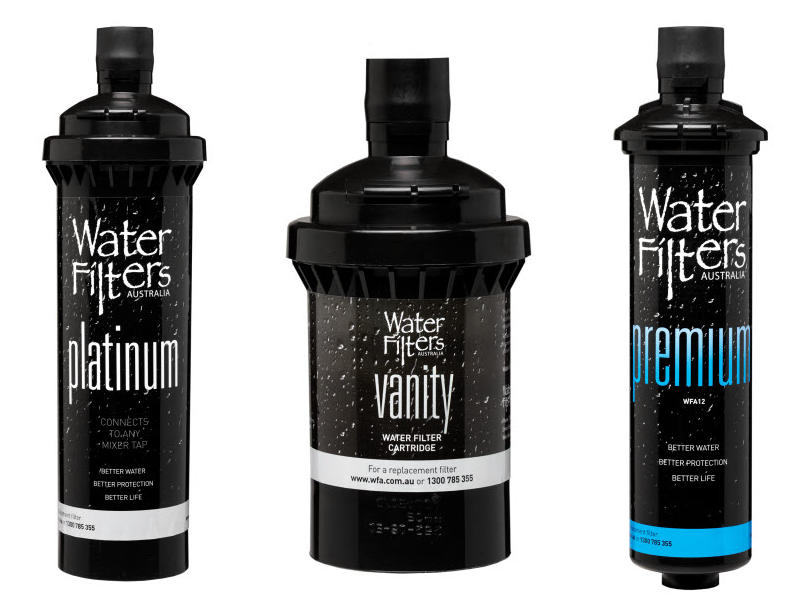
Replacement Filter Cartridges
From $69.76- WFA & Everpure cartridges
- Omnifilter cartridges
- Rainwater cartridges
- Fridge cartridges
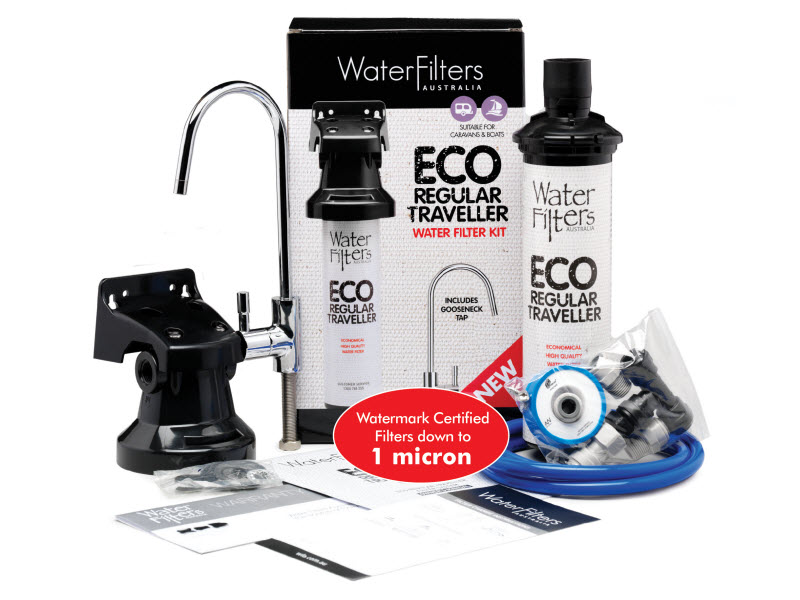
Water Filters for Your RV
From $163.89- Easy installation
- Choice of three systems
- Significantly cheaper than bottled water
- Durable & long lasting
- Space saving
Counter Top System & Filter Taps
From $71- Ideal solution for people on the move
- No plumbing required
- Chrome plated
- Lever operation
- Suitable for WFA Filter Systems
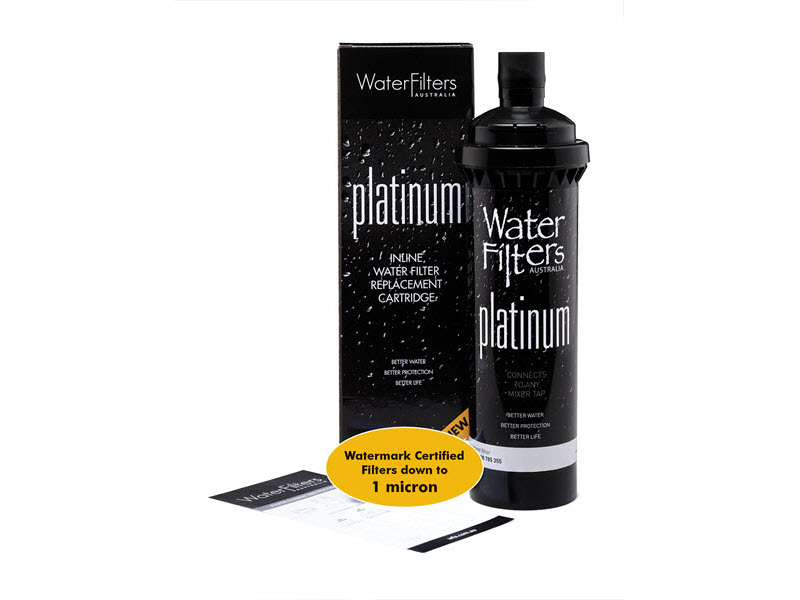
WFA Replacement Cartridges
From $69.76 - Inhibits lime scale build up in water using appliances
- Environmentally friendly
- Removes particles 75 times smaller than the diameter of a hair
Rain Water Filters
From $37.01 - Ideal screen filter for sediment particles in excess of 80 microns.
- Typically used for filtration before or after a rainwater tank pump
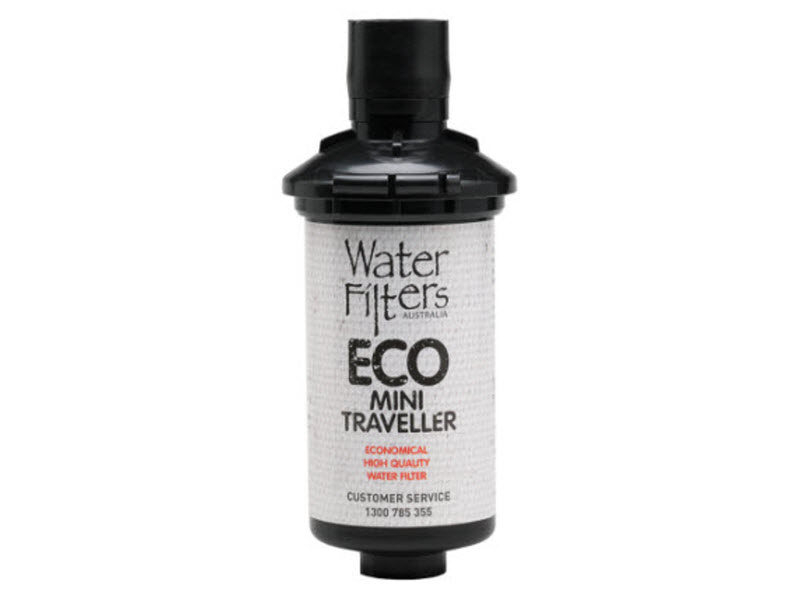
RV & Marine Cartridges
From $69.76- Compact size
- Quick change cartridge – DIY
- Compatible with all Everpure ADC filter installations
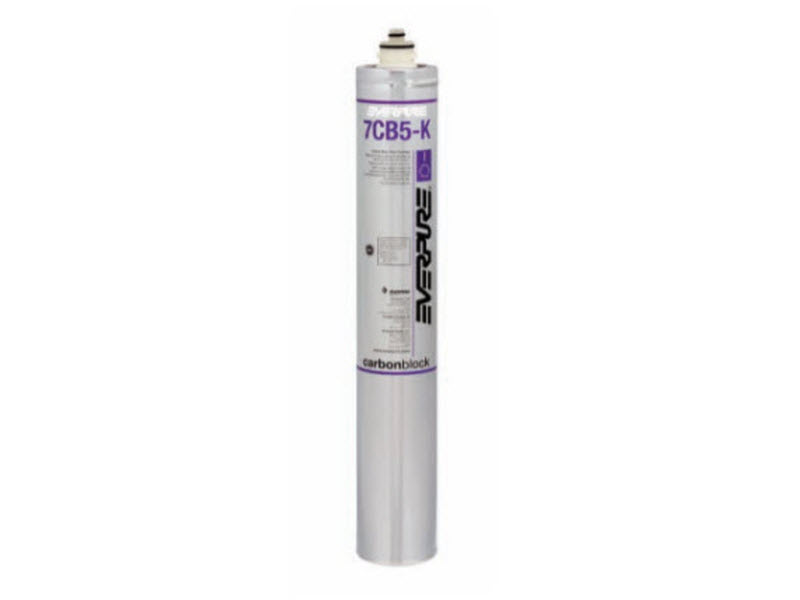
Everpure
From $120.45OUT OF STOCK
- The Everpure 7CB5-K cartridge filters out particles between 1 and 5 microns in size. By way of comparison, the diameter of human hair is 75 microns.
- Contaminants reduced/removed include sediment, chlorine, bad tastes and odours.
- The filtration process also inhibits limescale build up in water using appliances.

Omnifilter
From $36.93- The 1100R is the half micron ‘quick change’ replacement cartridge and is recommended for use with the Omnifilter CBF2 water filter system.
- Removes/reduces the following contaminants and substances; cysts such as giardia and cryptosporidium, chlorine, bad tastes and odours.
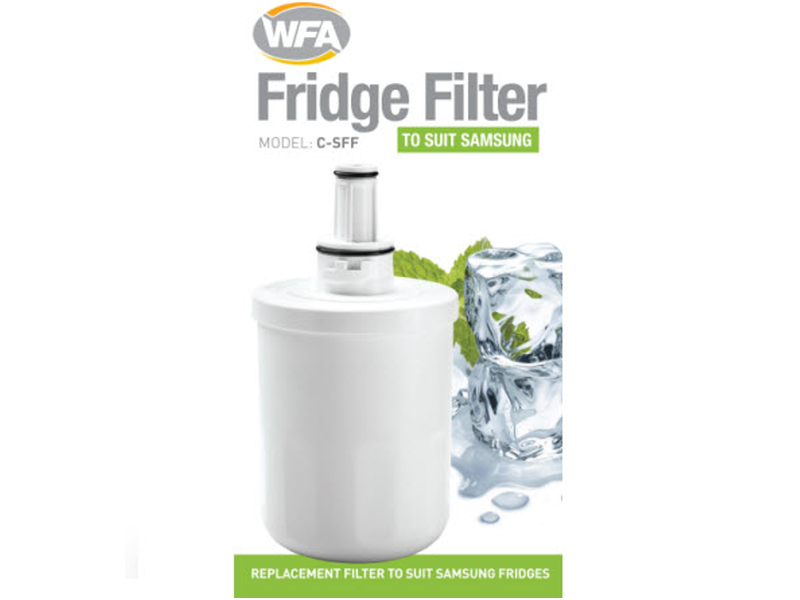
Fridge Filter Cartridges
From $82.48- Contaminants removed include chlorine, bad tastes and odours with some sediment removal/reduction.
- The cartridge inlet and outlet include ¼” ‘push fit’ connection fittings.
- Environmentally friendly, reducing plastic bottle waste.
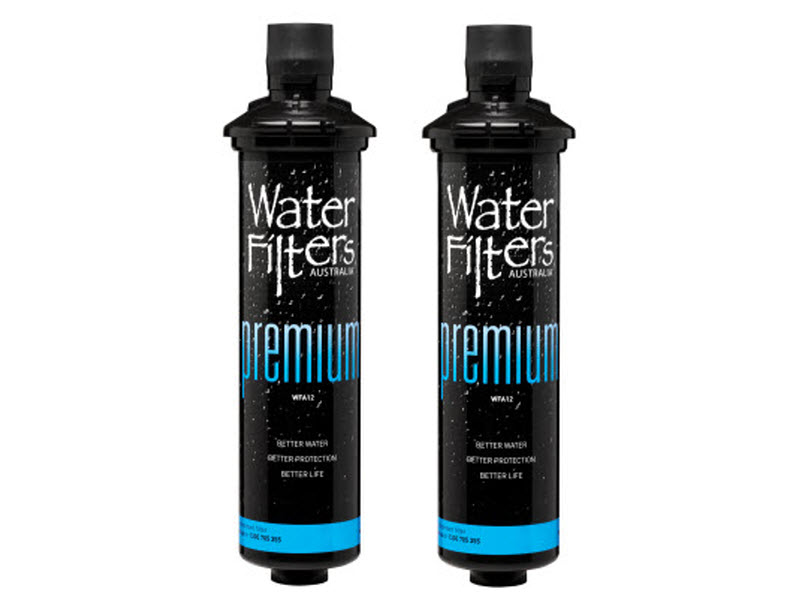
Specials
From $66.97- A 2 year supply*. Receive a reminder notification to change to your second cartridge.
- Larger quantities purchased receive a larger discount.
News & Articles
The Benefits of Filtered Water for Healthy Ageing
Our hydration needs don’t disappear with age, but the body’s ability to recognise and respond to thirst can change significantly. While we had those helpful reminders from people who cared for us when we were younger, we may not have the same reminders as seniors. Yet staying hydrated is so important for healthy ageing.
Is Filtered Water a Better Choice during Pregnancy?
During pregnancy, staying hydrated is more important than ever, but does the quality of your drinking water matter too? Discover how filtered water can help reduce unwanted contaminants, support healthy hydration during pregnancy, and provide quality drinking water for you and your growing family.
Water Filter vs Water Purifier: What’s the Difference and Which Do You Need?
Two products can sound almost identical while doing very different jobs. For example, the terms water filter and water purifier are often used interchangeably, but they actually don’t mean the same thing. And this can cause some confusion for consumers trying to make the best possible choice for their home, office or caravan.