

Can Filtered Water Support Better Focus and Concentration?

Most people have experienced brain fog. Few stop to consider what might be causing it, or they write it off as exhaustion or stress. But it could also be hydration-related. There’s growing scientific evidence linking even mild dehydration with reduced concentration, alertness and cognitive function. So, can filtered water support better focus? Yes, it can.
Why filtered water specifically? It’s not a miracle solution, but people are naturally more inclined to reach for a glass when the water is fresh and appealing. At Water Filters Australia, our durable, fully certified filtration systems have been helping Australians get more from their drinking water since 1999.
This is how hydration affects the human brain
Given that water makes up 73-75% of the human brain, it makes sense that hydration is essential for proper function. It supports nutrient delivery, waste removal, blood flow and the electrical activity involved in communication between brain cells. The brain is so dependent on adequate fluid intake that even small losses can have a noticeable impact on mental performance, including attention span, processing speed, short-term memory and the ability to concentrate.
Some studies have also noted changes in mood when people are dehydrated. This may present as irritability, reduced alertness, increased anxiety or a general decline in mental wellbeing. Headaches are another commonly recognised sign. Low fluid levels can affect blood flow and trigger discomfort, which makes it even harder to stay focused and productive throughout the day.
When the body and brain are working with insufficient levels of fluid, fatigue is common, and so is brain fog. While brain fog isn’t a medical diagnosis, the term is often used to describe feelings of mental cloudiness, forgetfulness, reduced alertness and difficulty thinking clearly. The challenge, though, is that many of these symptoms are usually blamed on poor sleep, stress, busy schedules or even excessive screen time, when dehydration may be the real culprit.
Why people often drink less water than they realise
It’s easy to forget to drink water in today’s world. Most people are busy juggling work deadlines, school runs, meetings, commuting and household responsibilities. Before you know it, hours have passed, and you haven’t had a glass. Caffeine doesn’t help either. While coffee and tea contribute to overall fluid intake, they can create a false sense of hydration awareness and shouldn’t replace water altogether.
Workplace habits are another issue. If you spend your days sitting through back-to-back meetings, work in an air-conditioned office or try to avoid extra bathroom trips, you may end up drinking less than you otherwise would.
We often think of thirst as the body’s way of sounding the alarm. But it isn’t always immediate. By the time someone feels thirsty, mild dehydration may have already begun. As people age, this becomes even more important to understand. The sensation of thirst can become less sensitive in older adults, increasing the risk of inadequate fluid intake. Certain medications and health conditions can also affect hydration levels or alter thirst perception. That’s why paying attention to how much water you actually drink is just as important as relying on thirst alone.
Can filtered water encourage better hydration habits?

Well, when it comes to food and drink, taste matters. That includes water. Palatability influences consumption, and it makes sense. The more enjoyable something is, the more likely you are to choose it. Depending on the local water supply, tap water can sometimes have noticeable chlorine, mineral or metallic characteristics that many people find unpleasant. This is one of the main reasons filtered water may encourage people to drink more of it.
Convenience is a key factor too. When clean drinking water is readily available from the kitchen sink, it becomes much easier to top up regularly and stay mindful of your body’s needs. You may be more inclined to reach for a glass of water instead of a soft drink, juice or another beverage. It also removes the hassle of constantly buying bottled water.
Ultimately, while filtered water may not change the body’s hydration requirements, what it does change is how often people choose water in the first place. For many of us, taste and convenience are half the battle when it comes to drinking enough of it.
Small hydration changes that can improve daily focus
There are many misconceptions surrounding hydration. A lot of people think they need to drink large amounts of water all at once. In reality, consistency is far more effective than trying to play catch-up later in the day, particularly if you’re already experiencing reduced mental clarity during what should be your busiest and most productive hours. Drinking water regularly helps maintain fluid balance rather than moving in and out of mild dehydration. But like anything else, healthy habits need to be built if they’re going to stick. Here are some practical tips:
- Start the day with a glass of water before coffee or breakfast.
- Keep a reusable water bottle nearby while working, studying or travelling.
- Drink water with meals rather than relying solely on other beverages.
- Take a few sips whenever you return to your desk after a meeting or break.
- Refill your bottle whenever it becomes empty rather than waiting until you’re thirsty again.
- Drink water before and after exercise, even on lower intensity days.
A few simple changes, and you’ll be drinking more water before you know it. Water filtration systems for the home are a worthwhile lifestyle investment that can pay health dividends, even if they’re not a magical medical cure. Better hydration means better concentration, and by removing many of the barriers that stop people drinking enough water, filtered water can support energy levels, wellbeing and mental clarity.
Think better, drink better
Drinking enough water is important, but so is what you’re drinking. A quality filtration system can improve taste, reduce unwanted contaminants and microorganisms, and provide greater confidence in the water available throughout your home. When something is part of your daily routine, quality matters.
Water Filters Australia supplies premium inline water filters online from our Australian distribution centre. Manufactured in the United States to strict standards, all systems are WaterMark certified, and we offer a full range of certified replacement cartridges.
If you’d like to make better hydration an easier part of daily life, shop online today or contact our team for personalised advice on the best system for your home or caravan.
Buy Water Filter Systems
& Water Filters Online

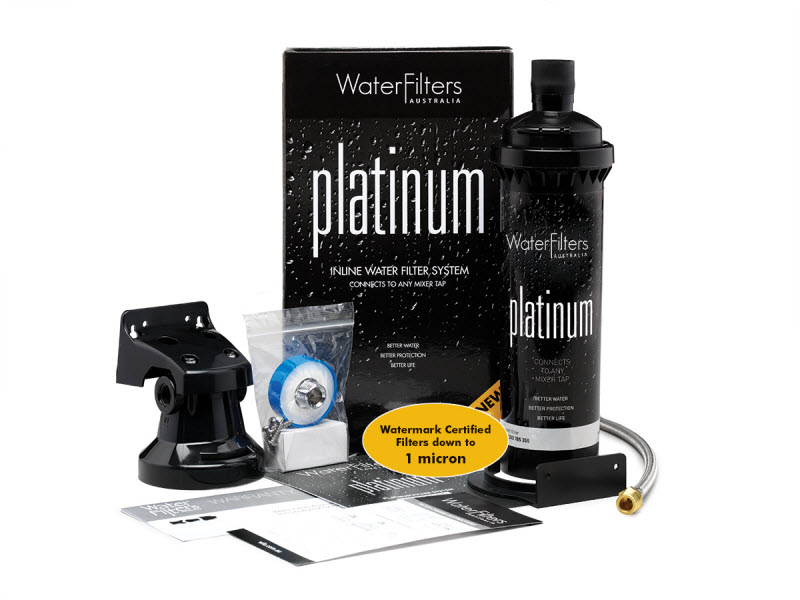
Inline Water Filter System
$346.84 - No separate tap or drilling needed
- Connects inline to cold-water hose
- No plumber needed
- 4x faster than traditional systems
- Lasts a family of 4 for 1 year
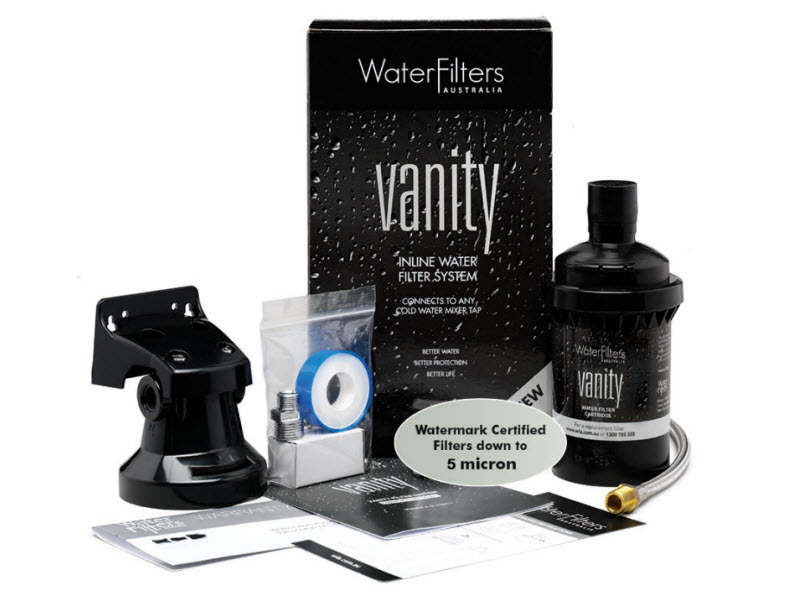
Bathroom Vanity Filter System
$240.90 - Compact for en suite bathrooms
- Space required 335mm x 225mm
- Mounts vertically or horizontally
- Works with your existing tap
- Protects tap from limescale build-up
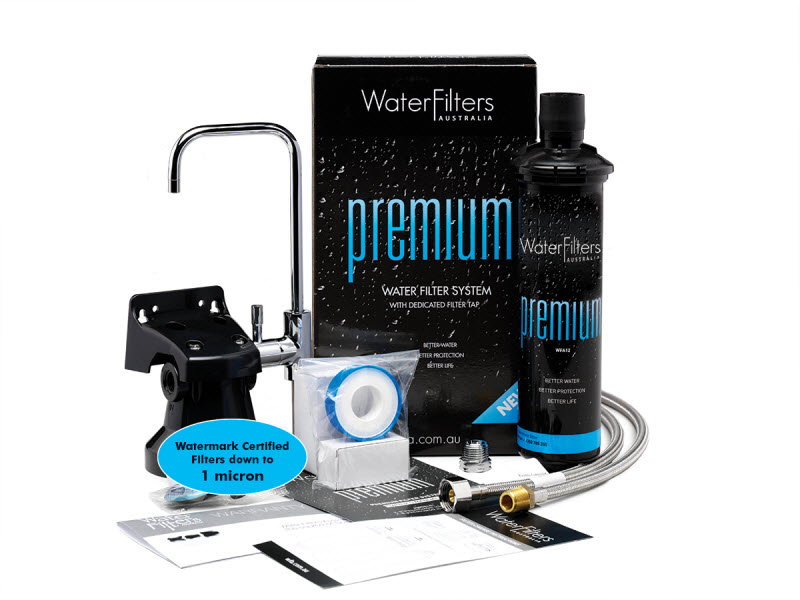
Dedicated Filter Tap System
$394.8 - Ideal if you like a separate filter tap
- Mount filter vertically or horizontally
- Filter lasts 12 months
- Same great taste
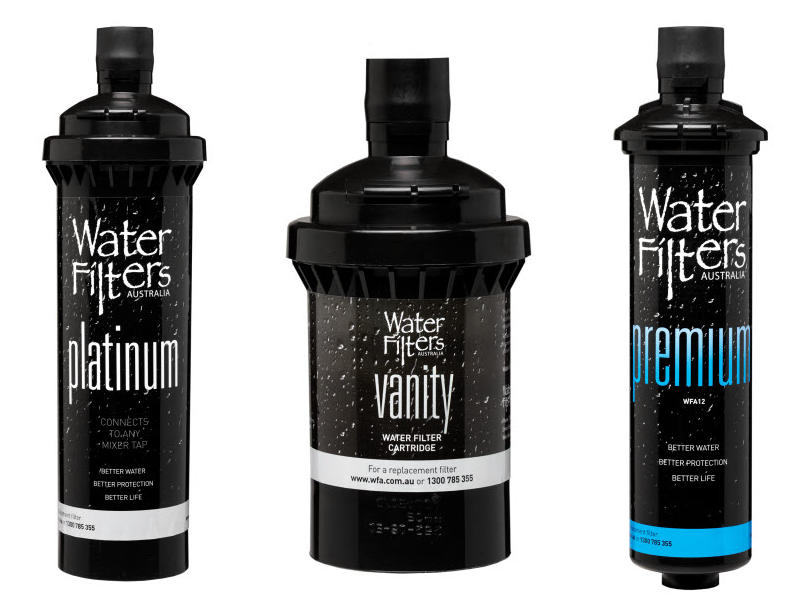
Replacement Filter Cartridges
From $69.76- WFA & Everpure cartridges
- Omnifilter cartridges
- Rainwater cartridges
- Fridge cartridges
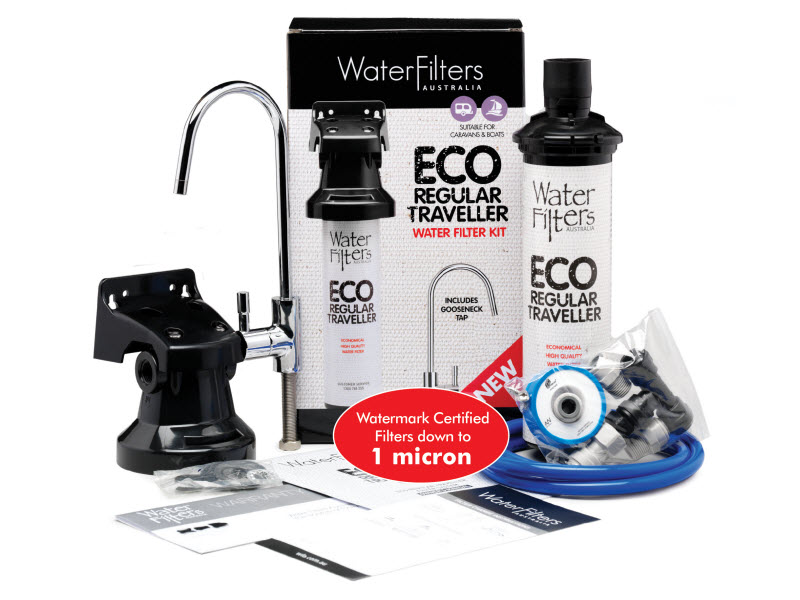
Water Filters for Your RV
From $163.89- Easy installation
- Choice of three systems
- Significantly cheaper than bottled water
- Durable & long lasting
- Space saving
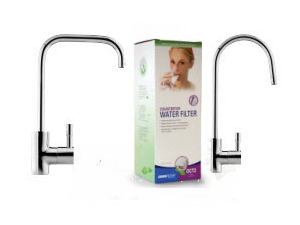
Counter Top System & Filter Taps
From $71- Ideal solution for people on the move
- No plumbing required
- Chrome plated
- Lever operation
- Suitable for WFA Filter Systems
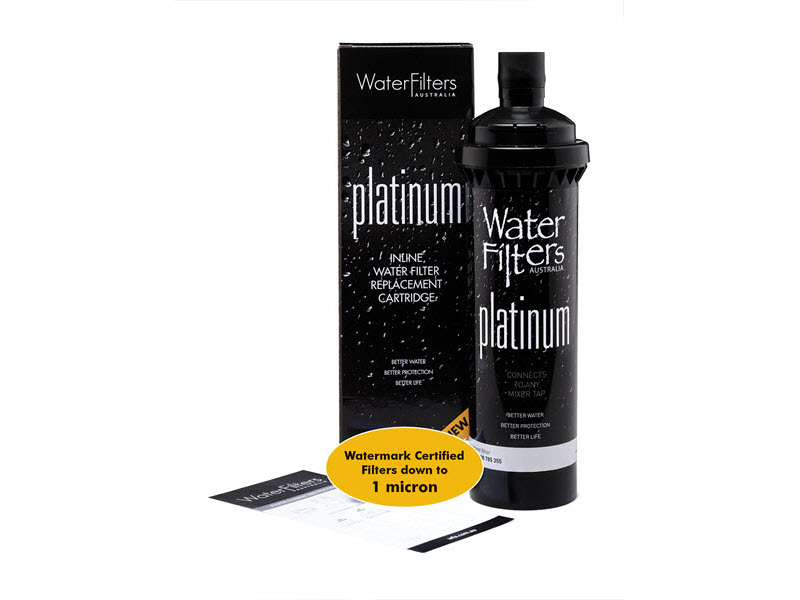
WFA Replacement Cartridges
From $69.76 - Inhibits lime scale build up in water using appliances
- Environmentally friendly
- Removes particles 75 times smaller than the diameter of a hair
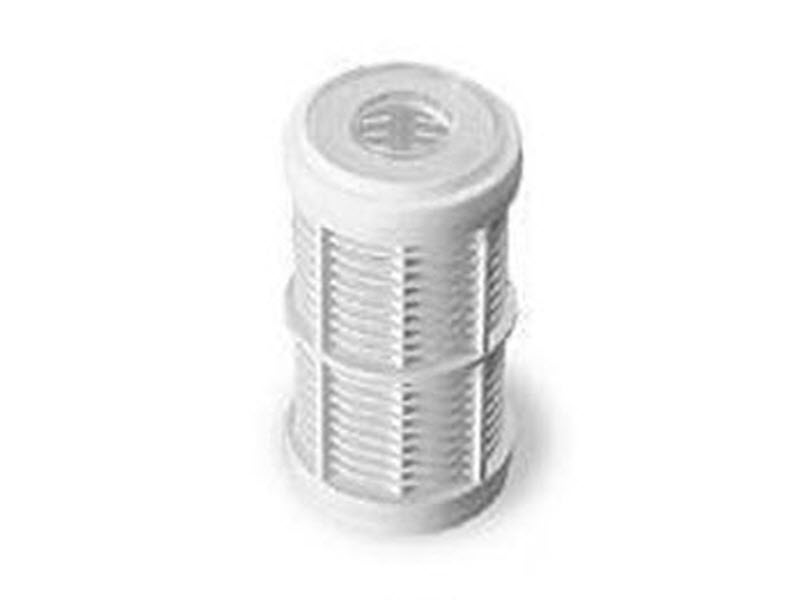
Rain Water Filters
From $37.01 - Ideal screen filter for sediment particles in excess of 80 microns.
- Typically used for filtration before or after a rainwater tank pump
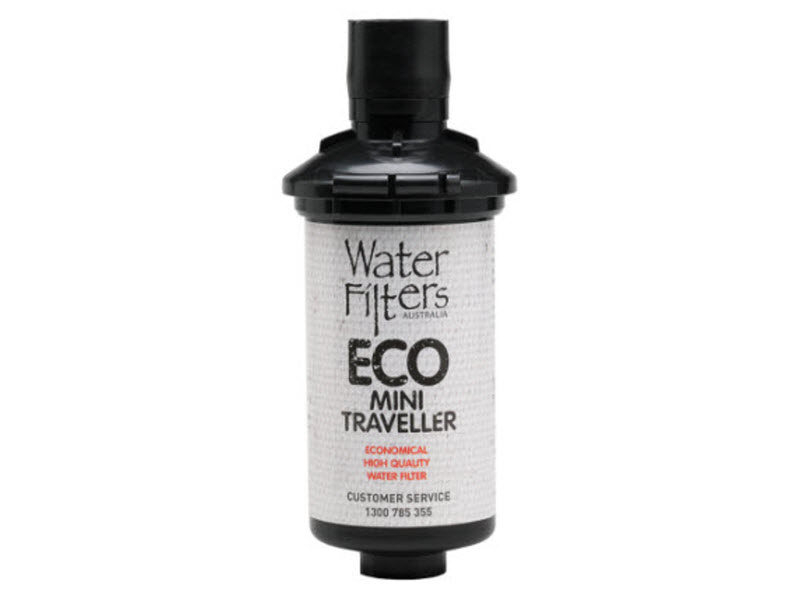
RV & Marine Cartridges
From $69.76- Compact size
- Quick change cartridge – DIY
- Compatible with all Everpure ADC filter installations
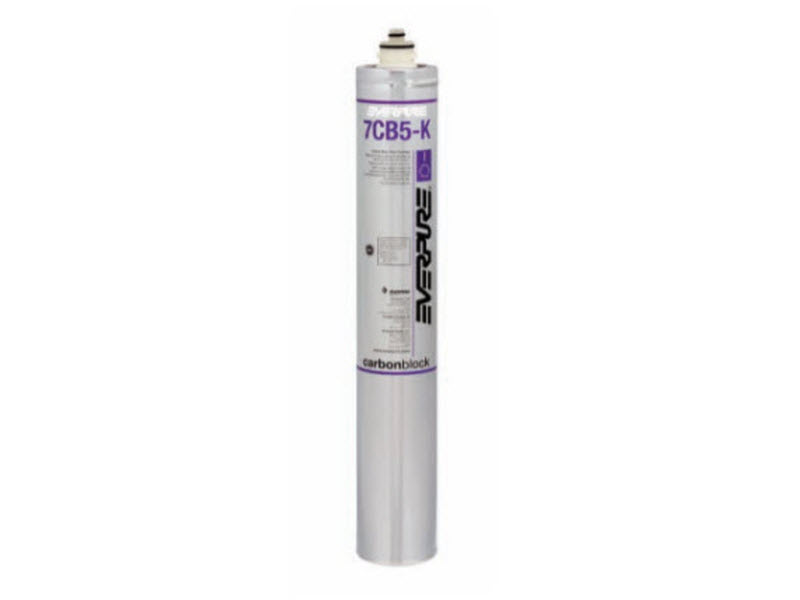
Everpure
From $120.45OUT OF STOCK
- The Everpure 7CB5-K cartridge filters out particles between 1 and 5 microns in size. By way of comparison, the diameter of human hair is 75 microns.
- Contaminants reduced/removed include sediment, chlorine, bad tastes and odours.
- The filtration process also inhibits limescale build up in water using appliances.

Omnifilter
From $36.93- The 1100R is the half micron ‘quick change’ replacement cartridge and is recommended for use with the Omnifilter CBF2 water filter system.
- Removes/reduces the following contaminants and substances; cysts such as giardia and cryptosporidium, chlorine, bad tastes and odours.
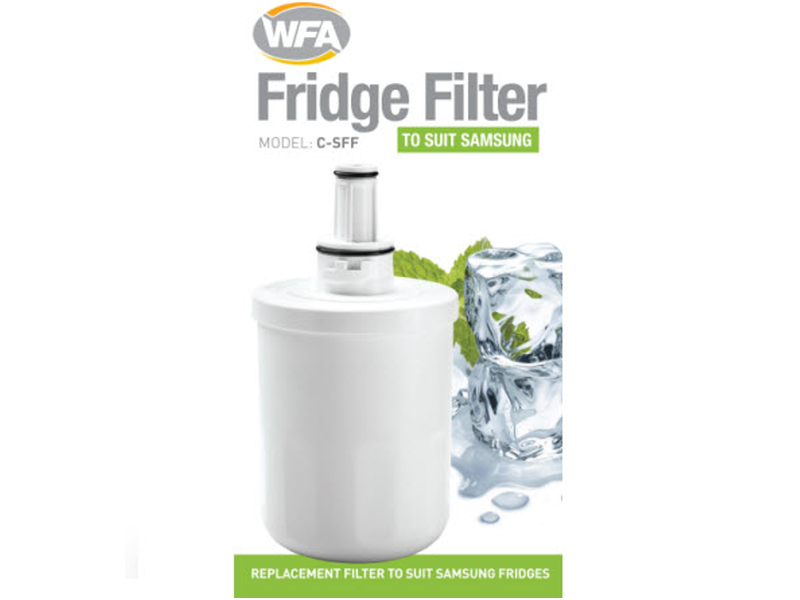
Fridge Filter Cartridges
From $82.48- Contaminants removed include chlorine, bad tastes and odours with some sediment removal/reduction.
- The cartridge inlet and outlet include ¼” ‘push fit’ connection fittings.
- Environmentally friendly, reducing plastic bottle waste.
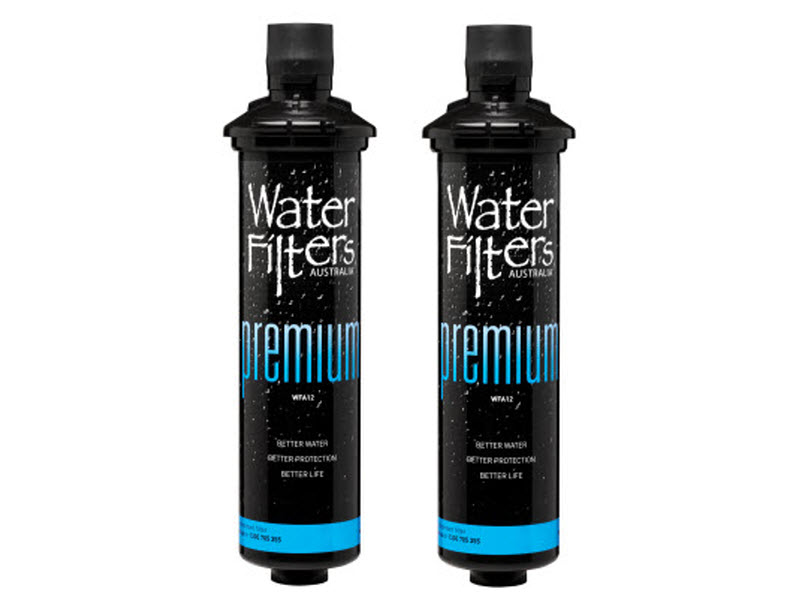
Specials
From $66.97- A 2 year supply*. Receive a reminder notification to change to your second cartridge.
- Larger quantities purchased receive a larger discount.
News & Articles
Water Filter vs Water Purifier: What’s the Difference and Which Do You Need?
Two products can sound almost identical while doing very different jobs. For example, the terms water filter and water purifier are often used interchangeably, but they actually don’t mean the same thing. And this can cause some confusion for consumers trying to make the best possible choice for their home, office or caravan.
Pets Need Clean Water Too: The Benefits of Filtered Water for Your Furry Friends
The average dog or cat will drink thousands of bowls of water over its lifetime. Pets are family, and many owners will spend hours carefully choosing the best food and bedding for them. But what about hydration? Water is just as essential for animals as it is for humans. And when it’s filtered, it’s cleaner and tastes better.
Can Filtered Water Support Better Focus and Concentration?
Most people have experienced brain fog. Few stop to consider what might be causing it, or they write it off as exhaustion or stress. But it could also be hydration-related. There’s growing scientific evidence linking even mild dehydration with reduced concentration and cognitive function. So, can filtered water support better focus? Yes, it can.