

The Benefits of Filtered Water for Healthy Ageing

There’s a strange point in life when you realise your parents were younger than you are now when they gave you some of their best advice. Like, make sure you drink enough water. Our hydration needs don’t disappear with age, but the body’s ability to recognise and respond to thirst can change significantly. While we had those helpful reminders from people who cared for us when we were younger, we may not have the same reminders as seniors. Yet staying hydrated is so important for healthy ageing.
At Water Filters Australia, we’ve been supplying high-quality, fully certified filtration systems to people and families of all ages across the nation since 1999. While filtered water is no medical treatment or magical fix for older adults struggling to meet their daily intake needs, we think it definitely tastes better. And when something is more appealing to drink and readily accessible at home, you’ve removed some of the most problematic barriers.
Why staying hydrated becomes harder as we age
One thing that changes as we get older is the way our brains register thirst. The mechanisms that tell us we need fluid become less responsive with age. This isn’t to say seniors never feel thirsty. It just means the feeling may come later or be less intense, particularly when the body is already losing fluid. As children, we’re usually too busy playing or easily distracted, so it’s a good thing adults remind us to drink. As we get older, we tend to live by ‘drink when you’re thirsty.’ But by our senior years, that’s no longer quite as reliable.
The body also has less room for error as total body water generally declines over the years. This is due to several factors, including the gradual loss of lean muscle mass. Muscle contains more water than fat, so changes in body composition reduce our overall fluid reserves. Kidney function changes, too. They can become less efficient at concentrating urine and conserving water when the body really needs to hold onto it. Together, this means we have less to draw on, so a drop in intake can have a greater impact. Hot weather, illness, fever, vomiting or diarrhoea can narrow that margin even further.
Sometimes, drinking enough becomes harder for reasons that have nothing to do with thirst. It’s not uncommon to have health issues requiring certain medications in our later years. Diuretics, for example, deliberately increase urine production, so more water leaves the body. Some people need laxatives, which can also contribute to substantial fluid loss. Mobility issues can become problematic, too. Someone who finds walking difficult may not feel motivated to get up repeatedly to pour a glass of water. Changes in cognition can make it easier to forget to drink, while bladder concerns may lead someone to deliberately limit their intake if they’re worried about incontinence or frequent trips to the toilet.
When the body isn’t getting enough fluid
If the body doesn’t get enough fluid, the effects aren’t necessarily immediate or even dramatic. For seniors, it might first show up as small changes in how they feel, but inadequate fluid intake can affect multiple systems in the body. Things to watch for include:
- tiredness or unusual fatigue
- headaches
- dizziness or light-headedness
- a dry mouth
- darker urine or urinating less often
- confusion or changes in alertness
The severity can vary considerably. Someone who realises they’ve had too little to drink may just need to have some water and take it easy, but sudden confusion, fainting, severe weakness, very little to no urine output or an inability to keep fluids down always warrant medical attention. Those symptoms may not even be associated with dehydration, so it’s best not to make assumptions.
Better-tasting water can make drinking more appealing

The more you like something, the more you’ll reach for it. Taste and smell have a strong influence on whether we want to consume anything, whether that’s food or a beverage. Water is no different. In Australia, we’re very fortunate to have mains water that’s treated in line with national drinking water guidelines and generally free from harmful microorganisms. But chlorine is commonly used as a disinfectant, and a residual amount may remain by the time it reaches your tap. For some people, that’s noticeable in every sip.
Our inline filtration systems use activated carbon to reduce chlorine taste and odour and give you access to better-tasting water straight from the tap. For those in or approaching their senior years, that can make keeping up with hydration needs a little easier. And it’s not just about your next glass of water. Think of the difference it could make to your daily coffee, tea or even the food you cook.
Convenient access is even more important as mobility changes
So many things change as we get older, and sadly, mobility is eventually one of them. This can increase the risk of dehydration in older adults, whether it’s due to arthritis, general weakness, issues with balance, injury or any other condition that makes movement difficult. When getting up and walking to the sink requires more effort, even carrying a drink back to your resting place can present another challenge, especially if you use a walking aid to stay steady. Bottled water is an option, but cases and larger bottles can be heavy. Likewise, filling water jugs and returning them to the fridge or bench won’t necessarily make life any easier.
That’s another reason to consider an inline filtration solution. It’s one trip to the sink. Once installed, you can fill your cup with filtered water straight from the tap. Installation is easy, as is ongoing maintenance such as cartridge replacement.
Being an older adult isn’t a hydration hazard. You don’t need a reminder schedule. You just need a little awareness of how your needs may be changing. But if keeping up with your intake is becoming a struggle, a few simple things may help:
- Keep a glass or reusable bottle somewhere visible and within easy reach.
- Have a drink with meals so it becomes part of something you already do each day.
- Fill your glass or bottle while you’re already in the kitchen rather than waiting until you feel thirsty.
- Use regular medication times as another prompt to have a drink, unless you’ve been given different medical advice.
- Keep water close to where you spend most of your time if getting up regularly is difficult.
Looking after yourself in the years ahead
Getting older doesn’t mean counting every glass or treating hydration like another job when you’re probably supposed to be retired and enjoying yourself. It may just mean giving it a little more thought than you once had to, and having water you genuinely enjoy within easy reach.
Water Filters Australia supplies premium inline water filters online from our Australian distribution centre. Manufactured in the United States to strict standards, all systems are WaterMark certified, and we offer a full range of certified replacement cartridges.
If you’d like to find a filtration system that suits this stage of life, shop online today or contact our team for personalised advice on the best system for your home.
Buy Water Filter Systems
& Water Filters Online

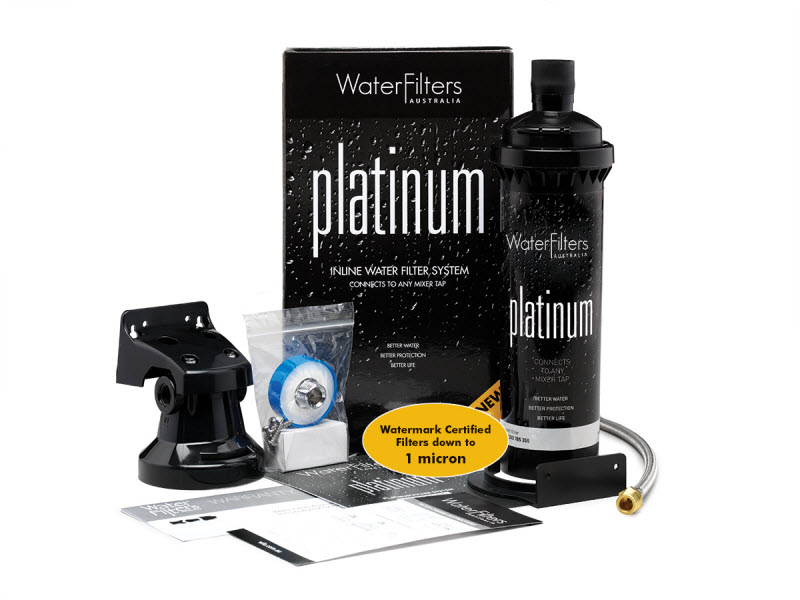
Inline Water Filter System
$346.84 - No separate tap or drilling needed
- Connects inline to cold-water hose
- No plumber needed
- 4x faster than traditional systems
- Lasts a family of 4 for 1 year
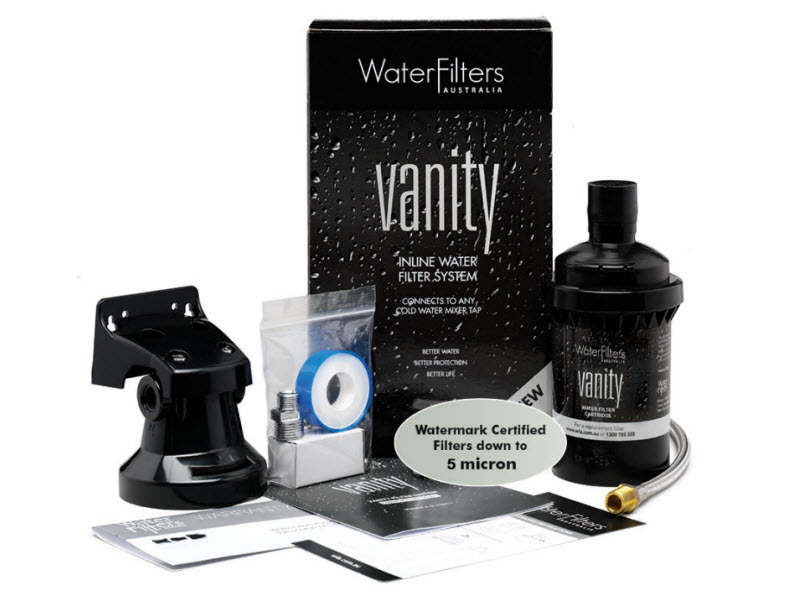
Bathroom Vanity Filter System
$240.90 - Compact for en suite bathrooms
- Space required 335mm x 225mm
- Mounts vertically or horizontally
- Works with your existing tap
- Protects tap from limescale build-up
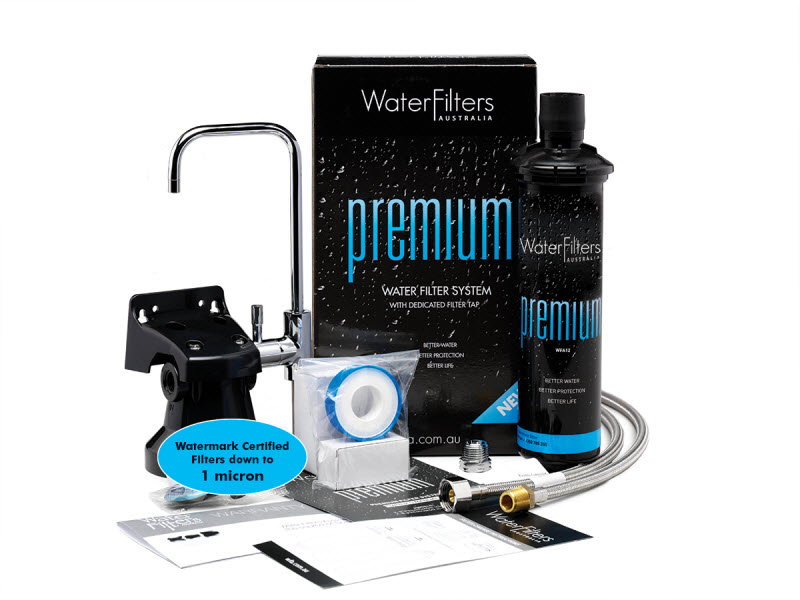
Dedicated Filter Tap System
$394.8 - Ideal if you like a separate filter tap
- Mount filter vertically or horizontally
- Filter lasts 12 months
- Same great taste
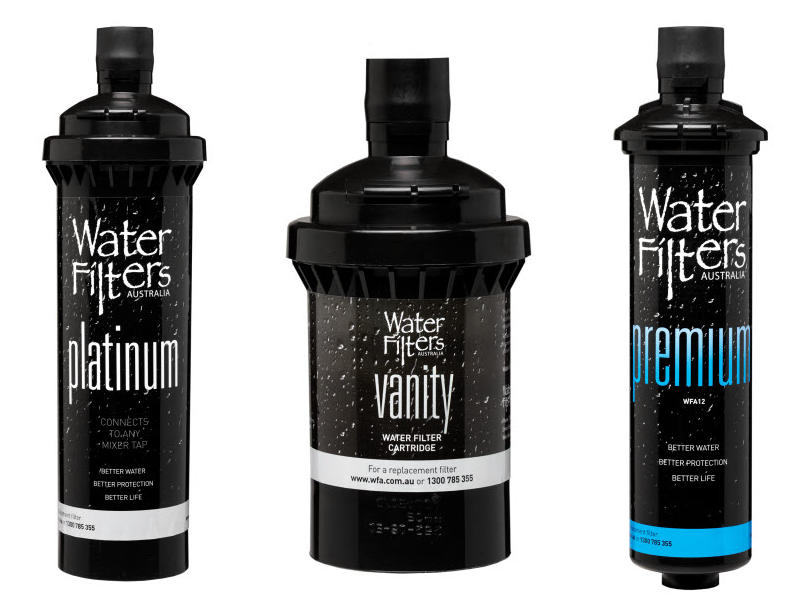
Replacement Filter Cartridges
From $69.76- WFA & Everpure cartridges
- Omnifilter cartridges
- Rainwater cartridges
- Fridge cartridges
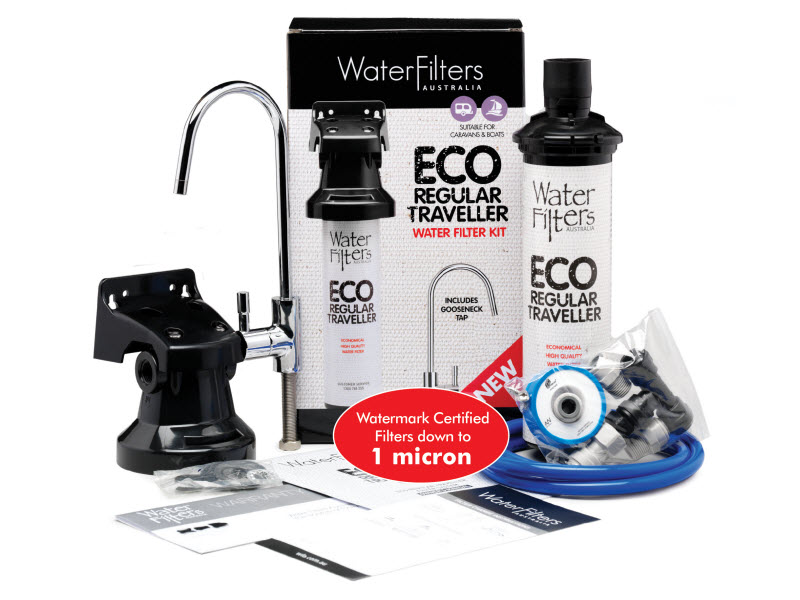
Water Filters for Your RV
From $163.89- Easy installation
- Choice of three systems
- Significantly cheaper than bottled water
- Durable & long lasting
- Space saving
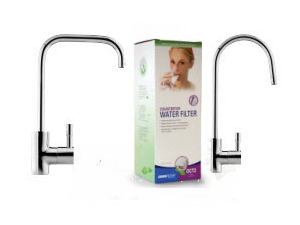
Counter Top System & Filter Taps
From $71- Ideal solution for people on the move
- No plumbing required
- Chrome plated
- Lever operation
- Suitable for WFA Filter Systems
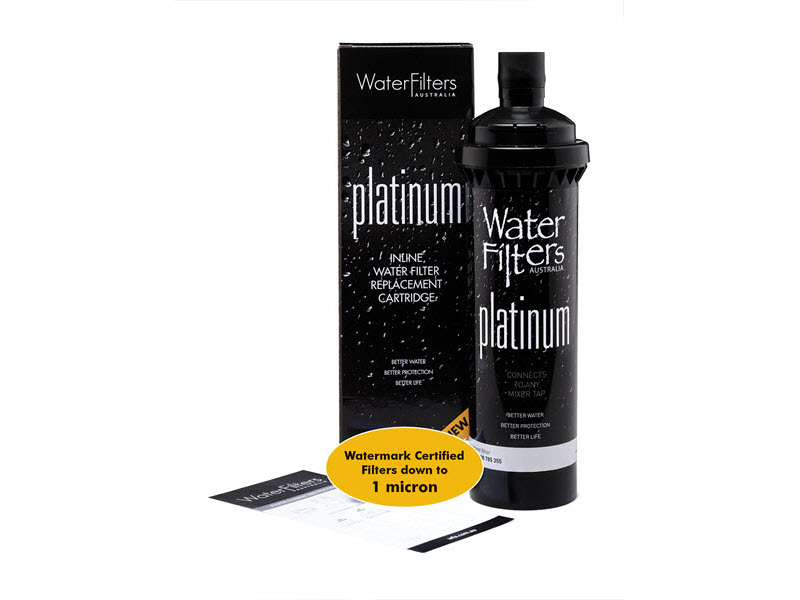
WFA Replacement Cartridges
From $69.76 - Inhibits lime scale build up in water using appliances
- Environmentally friendly
- Removes particles 75 times smaller than the diameter of a hair
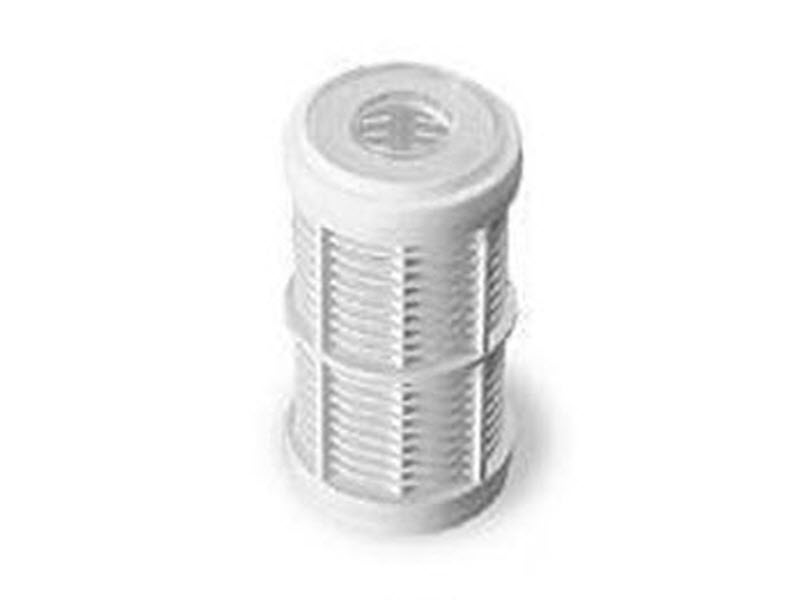
Rain Water Filters
From $37.01 - Ideal screen filter for sediment particles in excess of 80 microns.
- Typically used for filtration before or after a rainwater tank pump
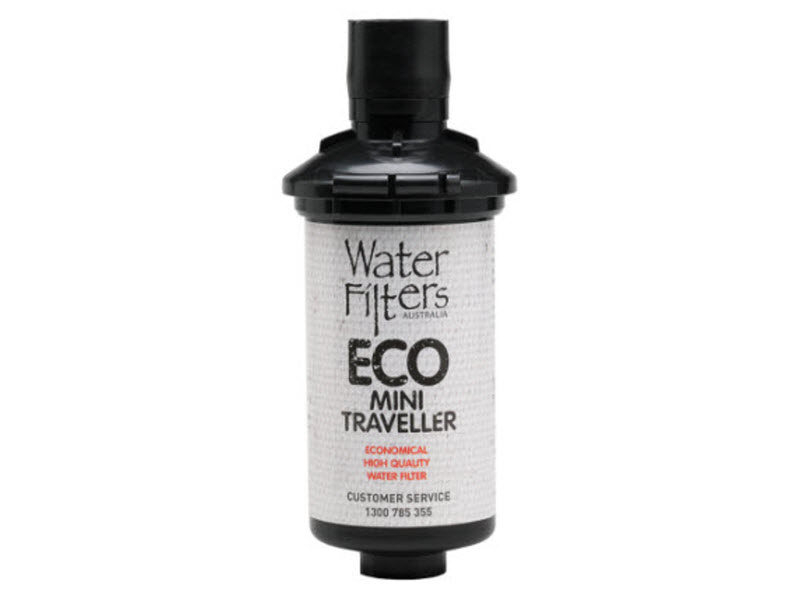
RV & Marine Cartridges
From $69.76- Compact size
- Quick change cartridge – DIY
- Compatible with all Everpure ADC filter installations
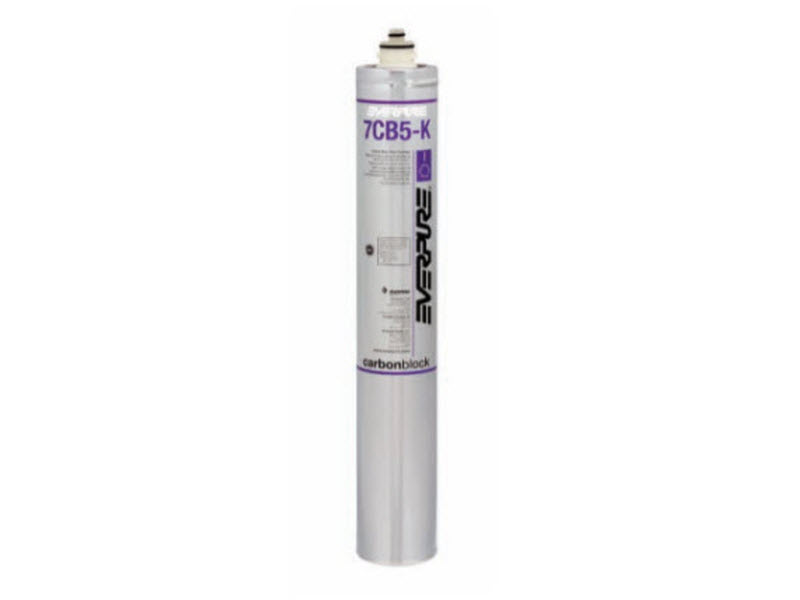
Everpure
From $120.45OUT OF STOCK
- The Everpure 7CB5-K cartridge filters out particles between 1 and 5 microns in size. By way of comparison, the diameter of human hair is 75 microns.
- Contaminants reduced/removed include sediment, chlorine, bad tastes and odours.
- The filtration process also inhibits limescale build up in water using appliances.

Omnifilter
From $36.93- The 1100R is the half micron ‘quick change’ replacement cartridge and is recommended for use with the Omnifilter CBF2 water filter system.
- Removes/reduces the following contaminants and substances; cysts such as giardia and cryptosporidium, chlorine, bad tastes and odours.
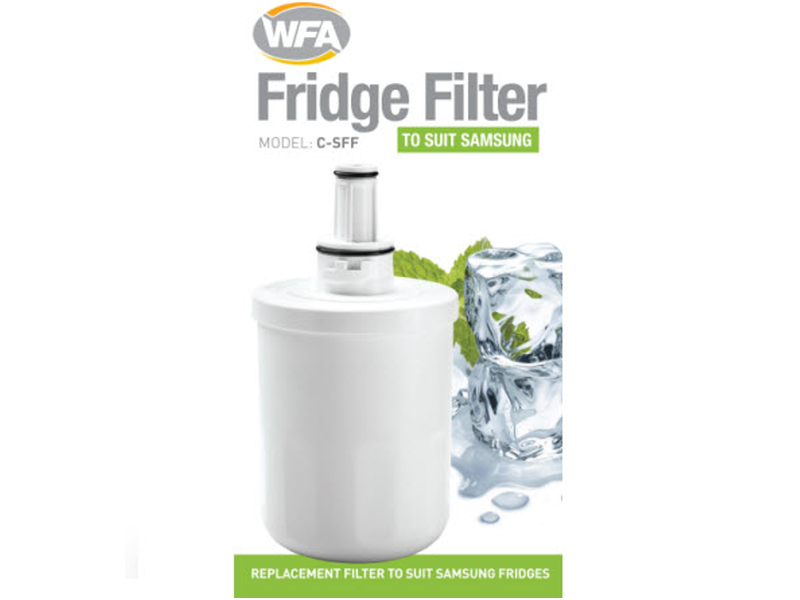
Fridge Filter Cartridges
From $82.48- Contaminants removed include chlorine, bad tastes and odours with some sediment removal/reduction.
- The cartridge inlet and outlet include ¼” ‘push fit’ connection fittings.
- Environmentally friendly, reducing plastic bottle waste.
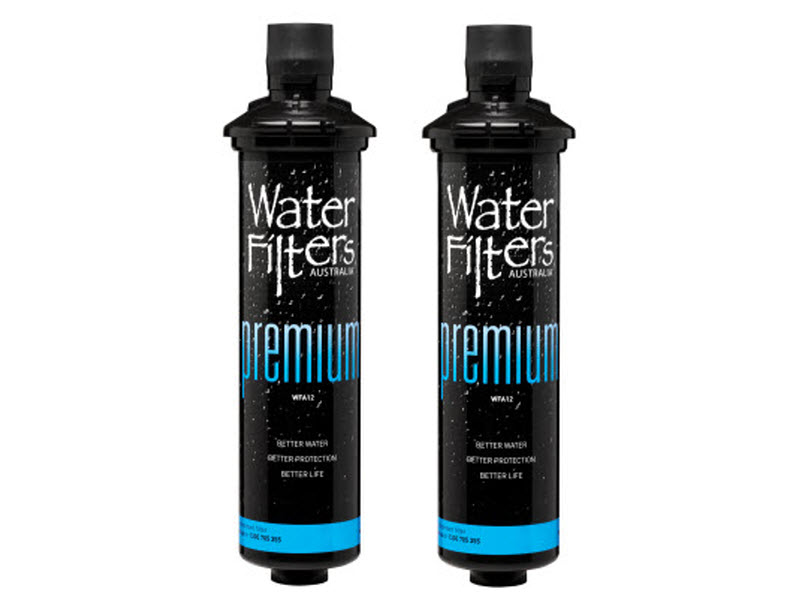
Specials
From $66.97- A 2 year supply*. Receive a reminder notification to change to your second cartridge.
- Larger quantities purchased receive a larger discount.
News & Articles
The Benefits of Filtered Water for Healthy Ageing
Our hydration needs don’t disappear with age, but the body’s ability to recognise and respond to thirst can change significantly. While we had those helpful reminders from people who cared for us when we were younger, we may not have the same reminders as seniors. Yet staying hydrated is so important for healthy ageing.
Is Filtered Water a Better Choice during Pregnancy?
During pregnancy, staying hydrated is more important than ever, but does the quality of your drinking water matter too? Discover how filtered water can help reduce unwanted contaminants, support healthy hydration during pregnancy, and provide quality drinking water for you and your growing family.
Water Filter vs Water Purifier: What’s the Difference and Which Do You Need?
Two products can sound almost identical while doing very different jobs. For example, the terms water filter and water purifier are often used interchangeably, but they actually don’t mean the same thing. And this can cause some confusion for consumers trying to make the best possible choice for their home, office or caravan.