

World Water Day: How Home Water Filters Support Global Clean Water Goals
Some global challenges feel distant, even when they run straight through our homes. Clean water is one of them. Most Australians turn on the tap without thinking too much about it, largely because we trust the systems behind it. Living in a country with regulated municipal supply gives us that confidence. On March 22, World Water Day shines a light on the global reality that safe freshwater is not guaranteed everywhere. It also invites a closer look at the small choices we make at home, including whether we take that extra step to install a water filter.
At Water Filters Australia, whether you prefer an inline system that connects directly to your existing tap for constant filtered flow, or a separate dedicated filter tap for when you need it, there’s a practical solution for everyday living. Installing a home filtration system does more than improve what ends up in your glass. It reduces reliance on bottled water, cuts down plastic waste and supports more responsible water use, all from the comfort of your own kitchen.
Why Australians should be mindful of the meaning behind World Water Day
World Water Day was established in 1992 by the United Nations at a conference on Environment and Development in Rio de Janeiro. It’s now recognised each year on March 22, with a different theme attached. The intention was to bring more attention to global freshwater issues. While it might not feel pressing to Australians, the reality is that 2.2 billion people worldwide still don’t have access to safely managed drinking water. That means water that is free from contamination, available when needed and accessible where they live.
And while hundreds of millions of people in some countries still rely on surface water, such as rivers and lakes, developed nations are not free from water concerns either. Infrastructure in many of these countries is ageing, and lead contamination crises like the one in Flint, Michigan, show that even first-world systems can fail. There are also issues tied to treatment itself. Disinfection by-products can form when chlorine reacts with organic matter, and environmental pressures such as industrial runoff and agricultural chemicals can impact water catchments.
Australia’s water story is a little different. We are one of the driest inhabited continents, and over time, long drought cycles have shown how quickly supply can be impacted. In regional areas, mineral content and sediment levels can vary, and in older homes, ageing plumbing can affect what you get in your glass. None of this signals massive issues with our system, but you can probably see why so many families are opting to invest in some form of water filtration at home.
What’s the difference between treated and filtered water?

To understand where home filtration fits into the picture, it helps to look at how tap water is treated in the first place. Australia has strict guidelines for municipal water that protect public health. Treatment processes remove harmful microorganisms and ensure water is safe for distribution.
In large-scale water treatment, the main concern is preventing the spread of bacteria and viruses. Disinfection methods such as chlorination play an important role in reducing waterborne disease, but they are not intended to improve taste or remove every trace substance permitted within regulated limits. As water moves through pipes and into homes, minor changes can also occur that affect clarity or flavour.
Home filtration comes in at the final stage, after water has been treated and distributed. These systems can reduce residual chlorine, sediment and trace elements that affect taste or clarity. It isn’t about correcting a failure. It simply refines water that is already safe while bringing everyday use closer to personal preferences and sustainability values.
Filtration reduces plastic waste
So, how does investing in a water filter help achieve some of World Water Day’s objectives? Sustainability is a big one, and plastic really isn’t part of that equation.
Global bottled water consumption is rising, even in countries where treated tap water is readily available. Convenience and perception are mostly why, but the environmental cost of this is hard to ignore. Billions of plastic bottles are produced each year, and while some are recycled, a significant portion ends up in landfill or, even worse, finds its way into waterways and oceans.
Filtering water at home is a practical alternative to constant bottled water purchases. Households that can rely on tap flow are far less likely to keep reaching for packaged options, which dramatically reduces single-use plastics. And if you already have some bottles at home, it’s easy to keep refilling them with filtered water, and that’s cheaper than buying more, too.
How home filters support broader health and sustainability goals
Access to clean water is only part of this global conversation. Responsible management of our existing resources is so important. When households prioritise filtered tap water, they’re making good use of an already treated supply rather than turning to bottled alternatives. This supports the principle of stewardship, the very heart of global clean water goals.
Sustainable water solutions also influence long-term health outcomes. Encouraging adequate water consumption of the highest quality can help people drink less high-sugar beverages, which has clear public health benefits, including easing the strain on broader health systems over time.
There’s also an often-overlooked efficiency benefit. Treating water centrally and delivering it through existing pipes uses far fewer resources than producing and distributing packaged drinks. A point-of-use filter makes the most of that system, improving water where it’s needed without adding another supply chain. Small household choices may seem minor, but together they reflect the responsible use that global water initiatives encourage.
Rethinking water at home
This World Water Day, remember that every drop matters, and clean, sustainable water starts at home.
At Water Filters Australia, we supply premium inline water filters online from our Australian distribution centre. Manufactured in the United States to strict standards, all systems are WaterMark certified, and we offer a full range of certified replacement cartridges with 100% Australian-based support.
Shop online today or contact our team for personalised advice on the best system for your home or caravan.
Buy Water Filter Systems
& Water Filters Online

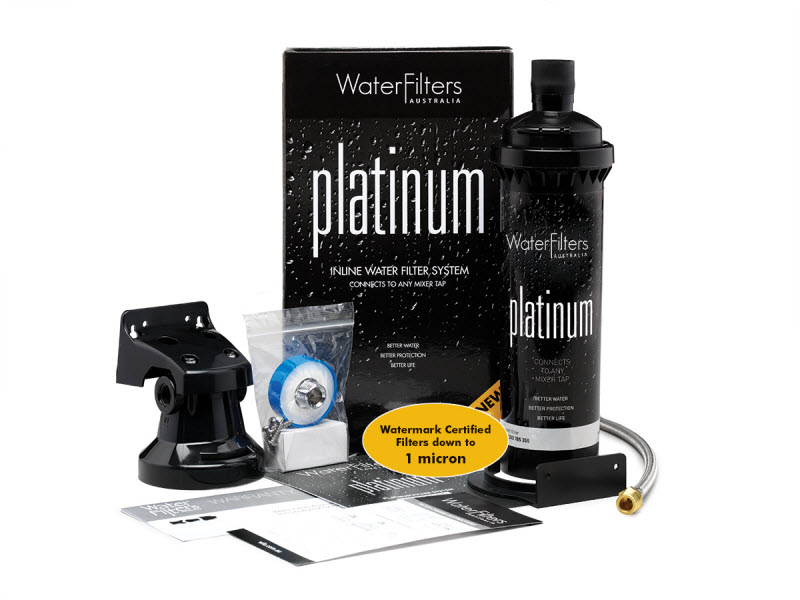
Inline Water Filter System
$346.84 - No separate tap or drilling needed
- Connects inline to cold-water hose
- No plumber needed
- 4x faster than traditional systems
- Lasts a family of 4 for 1 year
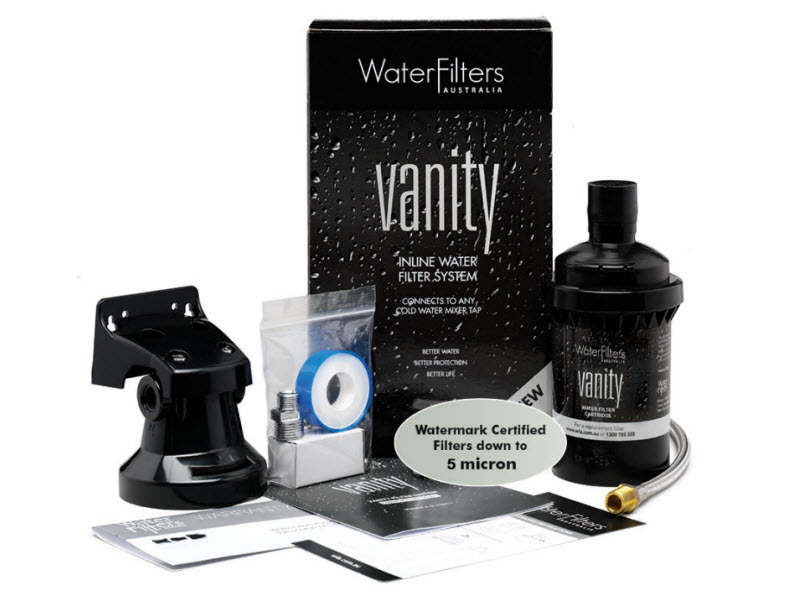
Bathroom Vanity Filter System
$240.90 - Compact for en suite bathrooms
- Space required 335mm x 225mm
- Mounts vertically or horizontally
- Works with your existing tap
- Protects tap from limescale build-up
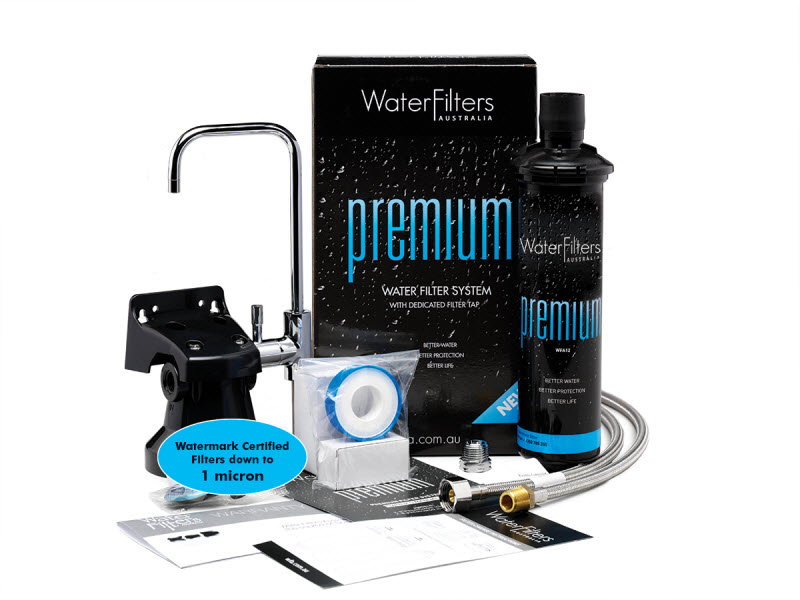
Dedicated Filter Tap System
$394.8 - Ideal if you like a separate filter tap
- Mount filter vertically or horizontally
- Filter lasts 12 months
- Same great taste
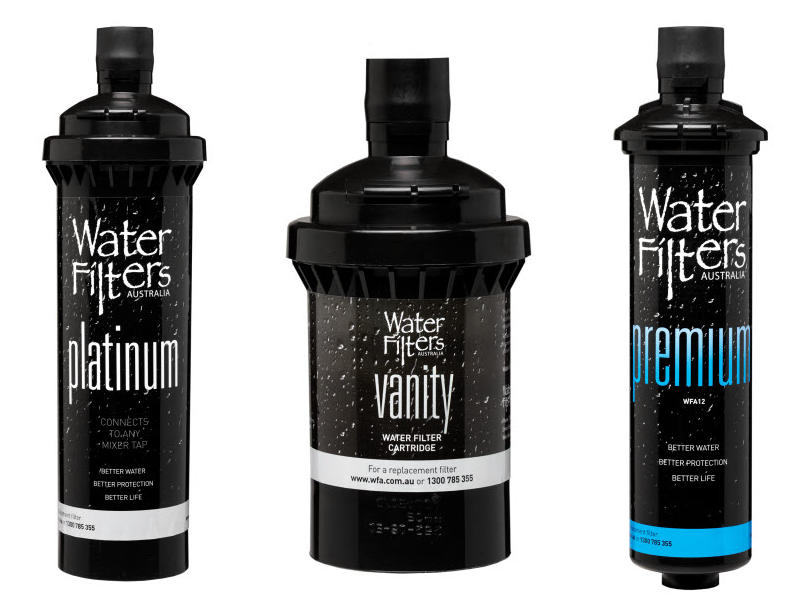
Replacement Filter Cartridges
From $69.76- WFA & Everpure cartridges
- Omnifilter cartridges
- Rainwater cartridges
- Fridge cartridges
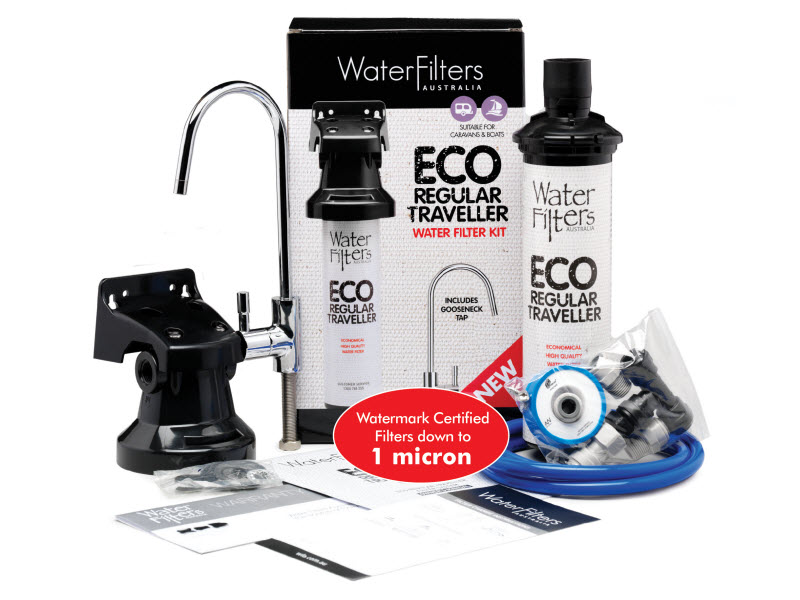
Water Filters for Your RV
From $163.89- Easy installation
- Choice of three systems
- Significantly cheaper than bottled water
- Durable & long lasting
- Space saving
Counter Top System & Filter Taps
From $71- Ideal solution for people on the move
- No plumbing required
- Chrome plated
- Lever operation
- Suitable for WFA Filter Systems
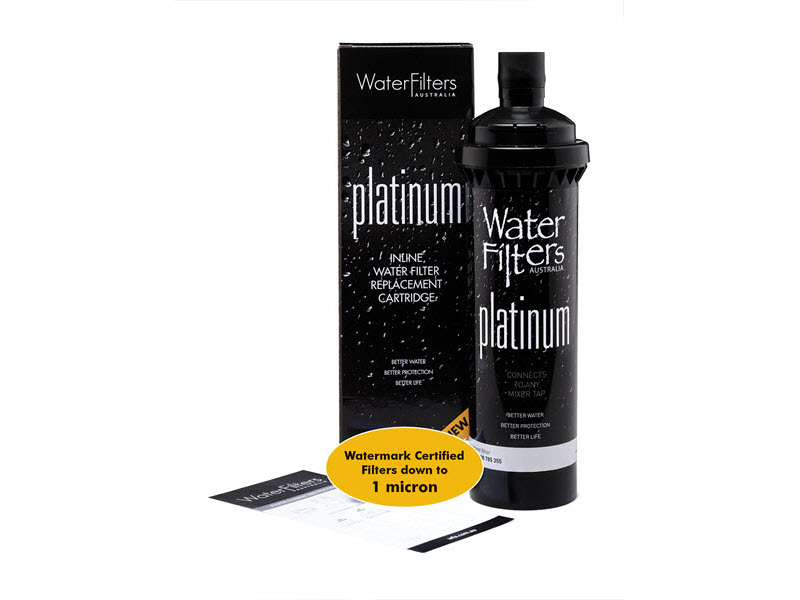
WFA Replacement Cartridges
From $69.76 - Inhibits lime scale build up in water using appliances
- Environmentally friendly
- Removes particles 75 times smaller than the diameter of a hair
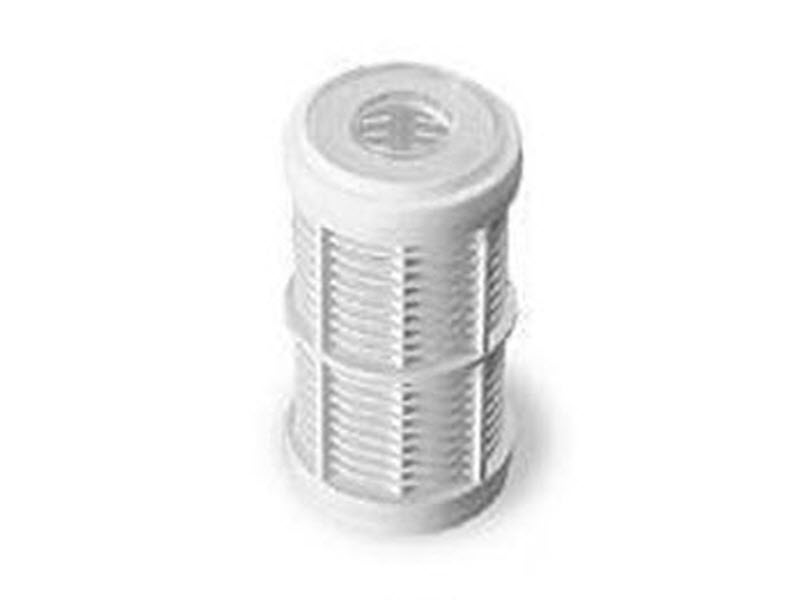
Rain Water Filters
From $37.01 - Ideal screen filter for sediment particles in excess of 80 microns.
- Typically used for filtration before or after a rainwater tank pump
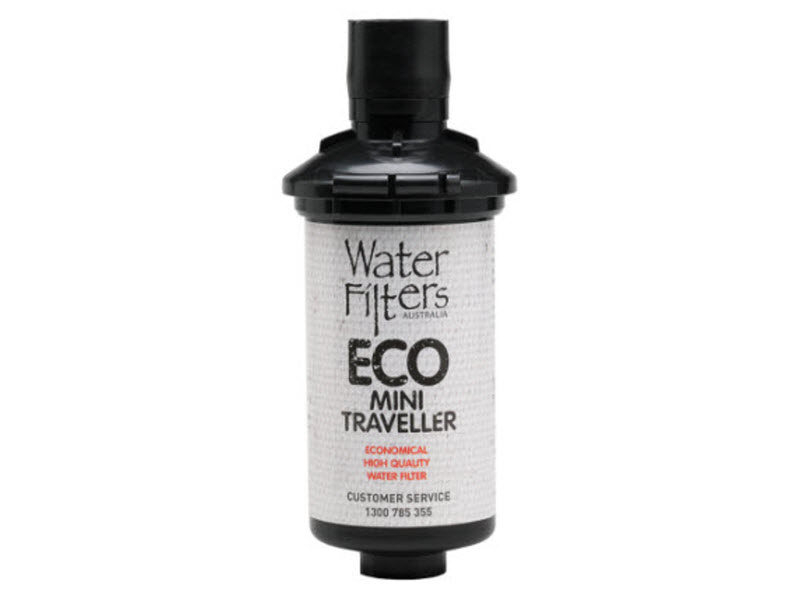
RV & Marine Cartridges
From $69.76- Compact size
- Quick change cartridge – DIY
- Compatible with all Everpure ADC filter installations
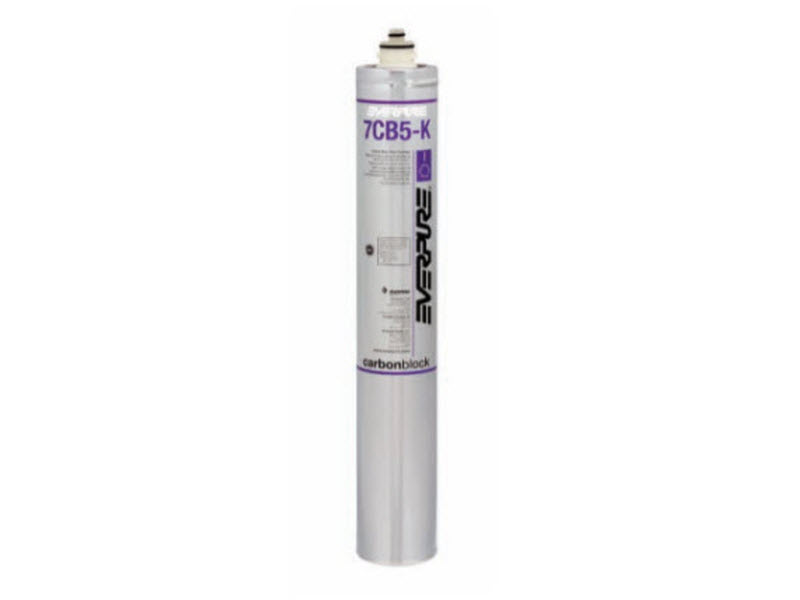
Everpure
From $120.45- The Everpure 7CB5-K cartridge filters out particles between 1 and 5 microns in size. By way of comparison, the diameter of human hair is 75 microns.
- Contaminants reduced/removed include sediment, chlorine, bad tastes and odours.
- The filtration process also inhibits limescale build up in water using appliances.

Omnifilter
From $36.93- The 1100R is the half micron ‘quick change’ replacement cartridge and is recommended for use with the Omnifilter CBF2 water filter system.
- Removes/reduces the following contaminants and substances; cysts such as giardia and cryptosporidium, chlorine, bad tastes and odours.
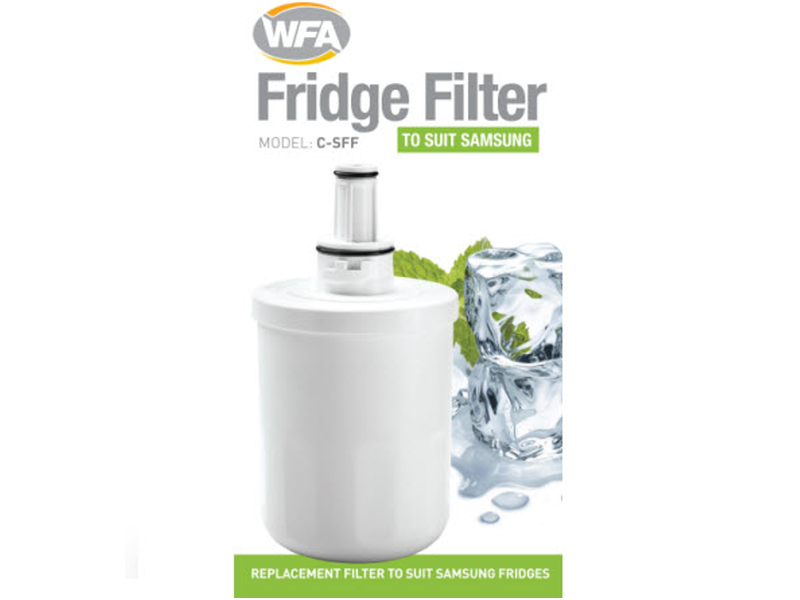
Fridge Filter Cartridges
From $82.48- Contaminants removed include chlorine, bad tastes and odours with some sediment removal/reduction.
- The cartridge inlet and outlet include ¼” ‘push fit’ connection fittings.
- Environmentally friendly, reducing plastic bottle waste.
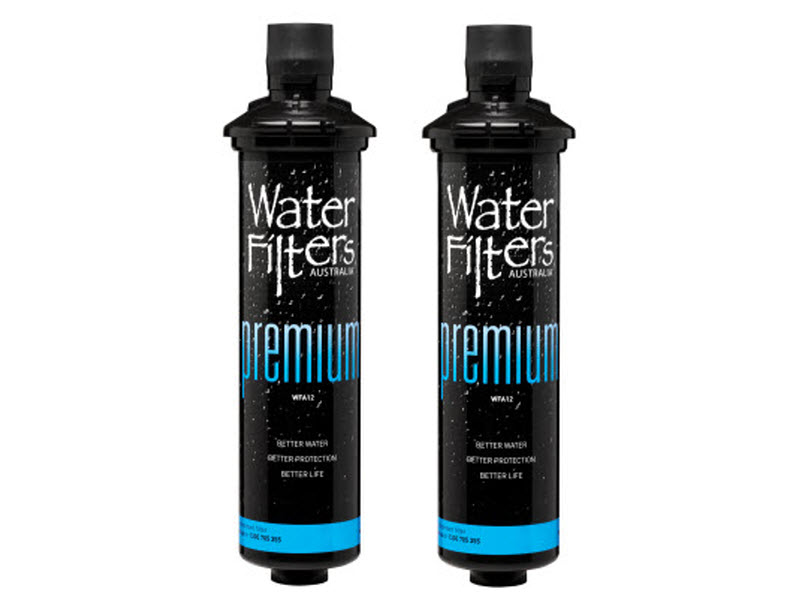
Specials
From $66.97- A 2 year supply*. Receive a reminder notification to change to your second cartridge.
- Larger quantities purchased receive a larger discount.
News & Articles
Back-to-School Hydration: Ensuring Kids Drink Filtered Water All Day
School is back for 2026, and if you’re facing the same hydration dilemma as last year, you’re not alone. Parents everywhere are wondering how to get their kids drinking more water, especially the filtered kind. And fair enough. Research shows it can support everything from energy and focus to overall wellbeing during their busy day.
Understanding Water Filter Micron Ratings: What Level of Filtration Do You Need?
Inline Filters vs. Countertop Filters: What’s Best for Your Home?
Sometimes the best upgrades are the ones you stop noticing, because they just work. If you’re choosing between an inline filter and a countertop system, the “right” option comes down to your kitchen, your routine, and how you like to drink water. Here’s a simple guide to help you pick the best fit for your home.